The Word Missing From His Headstone
So I did not call anyone.
I went to the bedroom closet and took down the gray fireproof box that Roy kept on the top shelf behind the winter blankets. I knew where the key was. It had been in the sugar bowl since 1983.
I sat on the edge of the bed with the box on my knees.
There was not much in it. Our marriage certificate. The deed to the lot at Prairie Rest Cemetery, bought in 1991, two plots side by side. A coin envelope with Scott’s baby tooth. A Bible, small, with a cracked black cover.
And his papers.
I had not looked at them in thirty years. A folded form, soft as cloth, with a stamp from the year 1972. Roy Eugene Tisdale Jr., it said, in typing that had faded to the color of tea. Specialist Four, Army. Truck driver. Vietnam, from the spring of 1971 to the spring of 1972, a Vietnam Service Medal, a National Defense Service Medal.
He drove convoys up the long road from Qui Nhon to Pleiku. He told me that once, and that the dust got into everything. When the other men went to the Memorial Day program at the courthouse he stood at the back.
Kim had never seen those papers. Scott knew only that his father “was in Vietnam.” There is a wide distance between that sentence and a stone.
Tucked in the Bible, folded in four, was the other thing.
It was a piece of newsprint gone the color of a paper sack. It crackled. I unfolded it on my knee as if it could bruise.
Roy E. Tisdale Sr., 41, of rural Maryville, died October 12 at the Farmers Cooperative elevator, it began. Then two paragraphs. Then the last line, the one Roy must have read a thousand times, because the fold ran right through it.
Survivors include his wife, Edna, and a son, Roy Jr., 14, at home.
At home. Fourteen. He had carried that paper in his Bible for sixty years.
I put the papers into a manila envelope. I put on my good green blouse and laid out my shoes.
The shop opened at seven-thirty. I was in the parking lot at seven-fifteen.
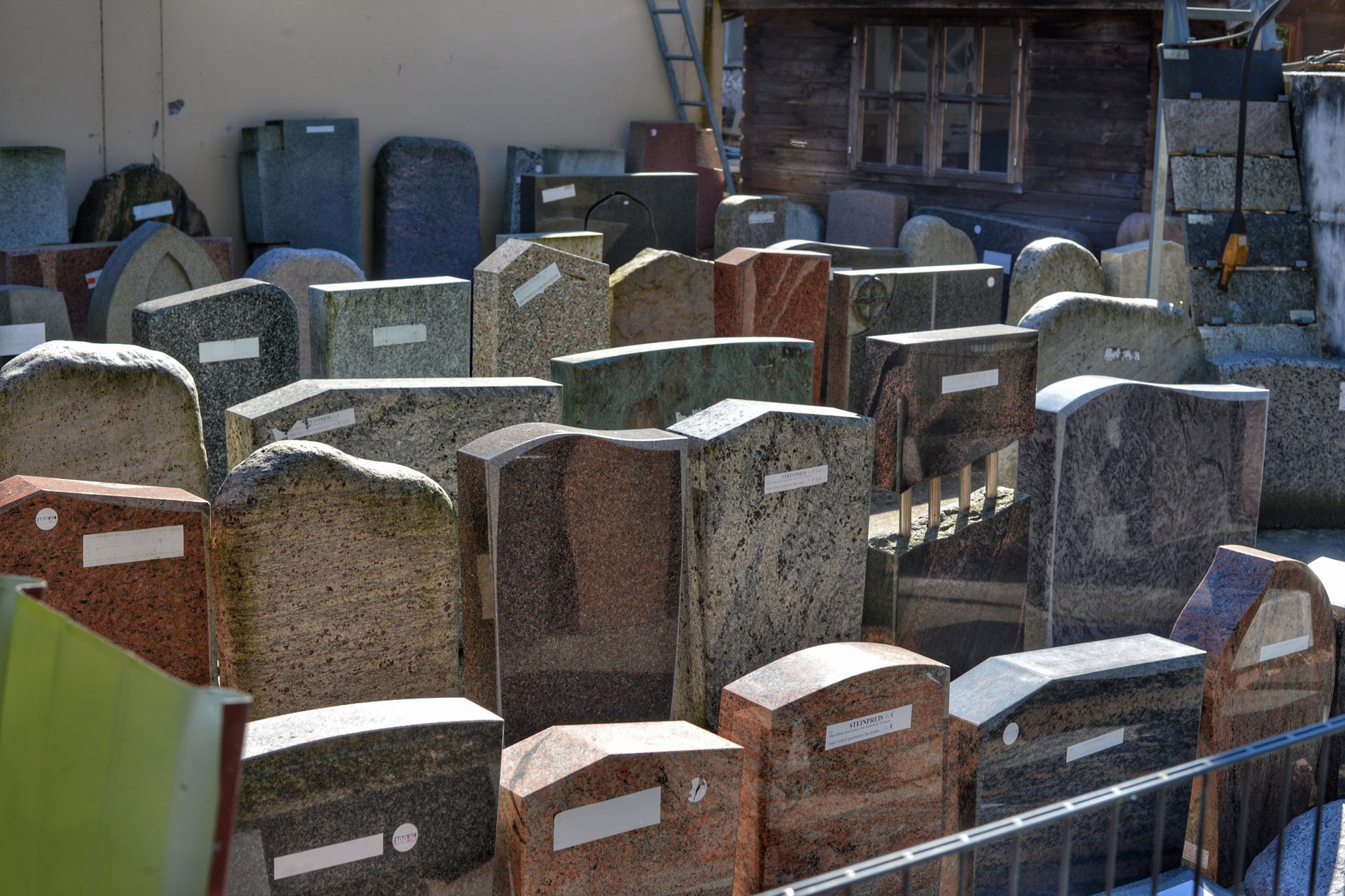
Strand Memorials sits at the edge of Maryville on the old Highway 71, past the grain bins. It is a low cinder-block building painted white a long time ago, with a yard full of finished stones standing in rows like a congregation.
I waited in the Buick with the envelope on my lap until a gray pickup came up the drive and a heavyset man in a canvas apron got out and unlocked the door. He saw my car and lifted a hand to me, slowly, as though he had been expecting someone.