The Roof We Closed in One Day
“I’m not your judge,” Floyd said. “I don’t have the standing. I’m telling you what the people in this yard are going to expect, and they can read a calendar.”
“Mine last,” Rosalind said.
Floyd looked at her.
“Pay the others first. I don’t need it as bad as Vera does. I have the shingles on my roof.” She set the coffee cup on the step. “But I will be at that mailbox on the first of every month, Mr. Huber.”
“Yes, ma’am.”
That was the whole of it. No one cried. No one forgave anyone. Floyd put the page back under the clip and said, “There’s still light. You can carry,” and Troy Huber walked back across the gravel to the foot of the ladder, picked up a bundle of shingles, and carried it up. Duane watched him go and did not say anything, and when Troy came back down for the next one Duane handed him a pair of gloves.
I did not forgive him, and I do not believe Rosalind did. That is not a thing you do on a Saturday, in front of the neighbors, with the lunch still being cleared. It happens later in the quiet, if it happens.
The sun came out around two o’clock.
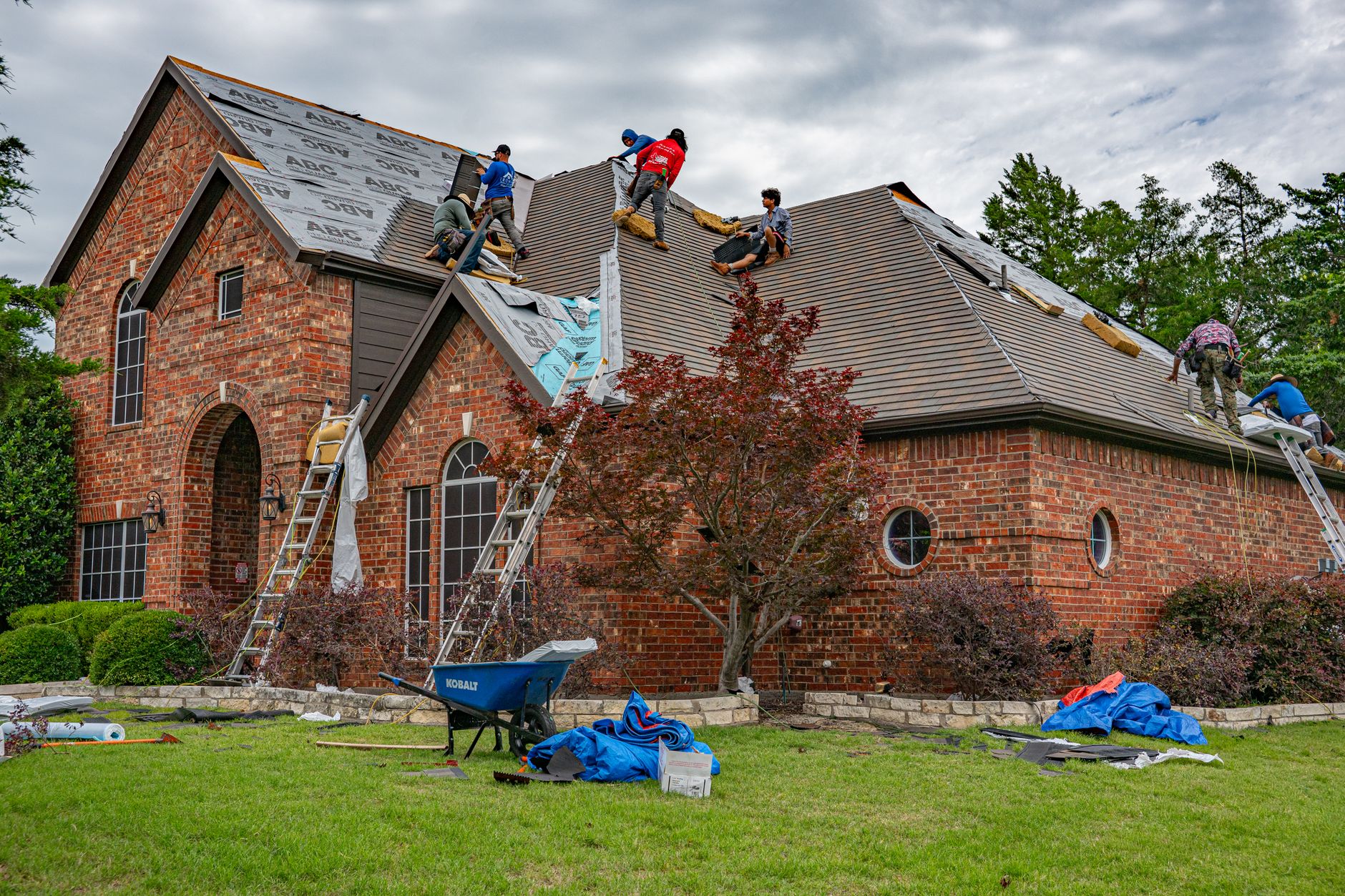
We were finished by ten minutes to five. Twenty-four squares, seventy-eight bundles, ridge cap running clean along the peak, hand-sealed on the north slope. Ned Neuhaus walked the whole perimeter with a flashlight looking for nail pops and found two. Floyd examined every course from the ground with his hands on his hips like a man looking at his own grandchild.
“That’ll hold,” he said finally. “That’ll hold through the next owner.”
The Methodist women laid out supper on long tables in the yard, hot beef sandwiches and potato salad and three kinds of pie. Pastor Mueller said grace, short, the way men do who know the food is getting cold, and thanked God for hands. We ate with our boots on, under a sky gone pale and clear, with the smell of cut wood and tar in the air. Troy ate his sandwich standing at the far end of the flatbed, by himself, and nobody made him move.
Rosalind found me near the end of the evening, at the side of the house, where I was sitting on an overturned bucket.
“Here,” she said. She had a paper plate with a slice of Vera Gerber’s apple pie and a plastic fork. She sat down next to me on the ground, in her good slacks, and did not seem to care.
We did not talk for a while.
“I want to pay you,” she said at last.
“You paid Ned for the shingles. That’s all the paying there is.”
“Then take something out of Mel’s shop. Anything. It’s all just sitting there.”
I thought about it. “The jars,” I said. “The ones with the screws, under the shelf.”
“They’re nailed up.”
“I know how they’re nailed up. I’ll take one down with a claw hammer, and the rest can stay where he put them.”
She laughed. It was short and surprised, and it was the first time I had heard her do it since the funeral.
“I’d like to know what happens to him,” she said.
“That’s up to him.”
“I don’t want him ruined. Is that wrong?”
“No. Mel would say the same. He’d also say the man ought to pay every cent.”