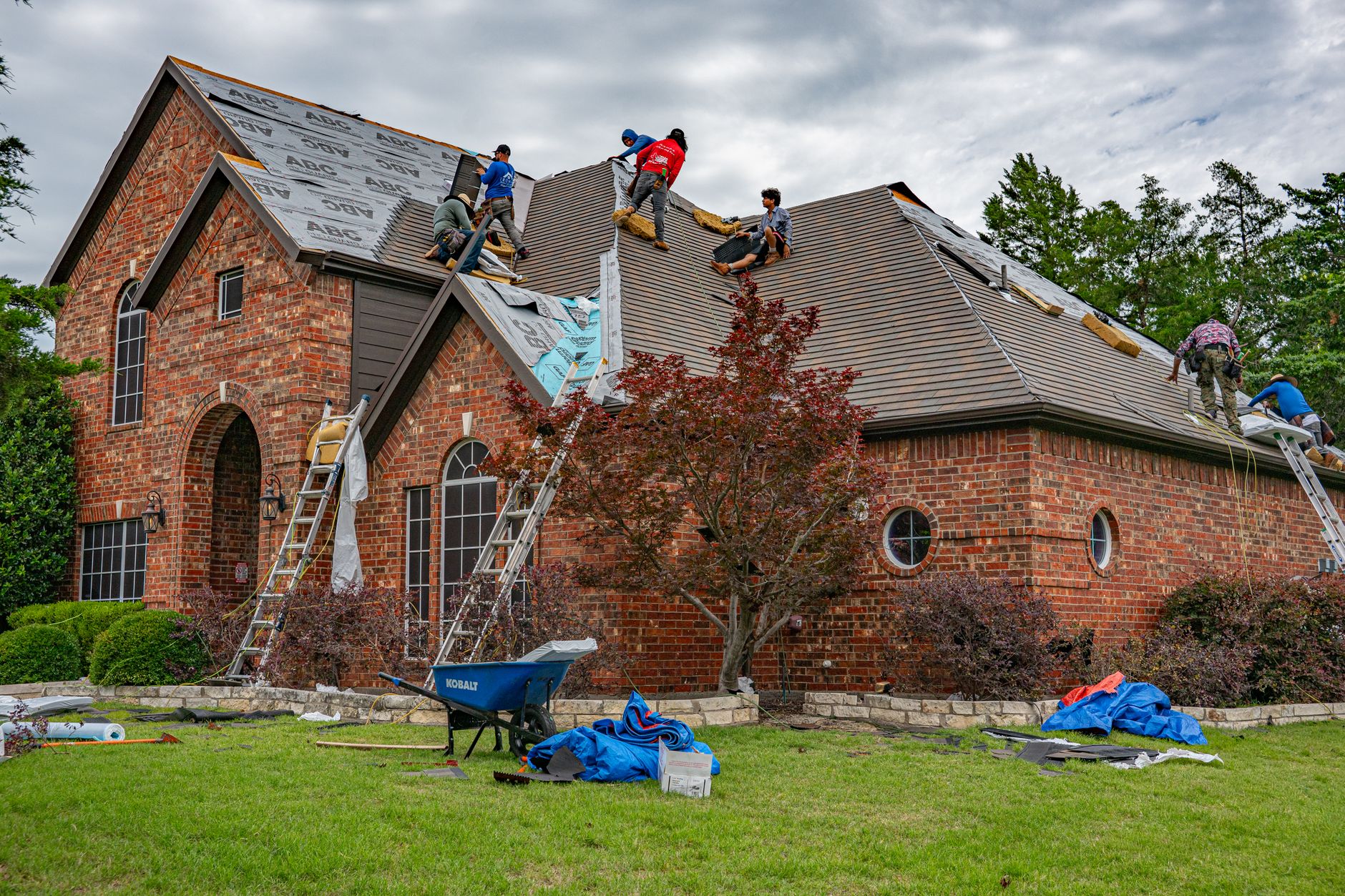
The Roof We Closed in One Day
Rosalind had made coffee. She put a mug in my hands and sat down at the kitchen table, and I stood behind her chair with my hand on her shoulder and let her be.
“That check came out of the life insurance,” she said, when she could talk. “It was the first money I spent after the funeral.”
“I know.”
“I feel so stupid.”
“You trusted a man who shook your hand. That’s how people live.”
She did not answer that. She looked at the pan on the counter, which she had carried out and emptied, and set back down by the sink.
Now I will tell you what I did not do, because three people have asked me since, and they were all kind about it.
I did not call a lawyer. Rosalind had phoned the clerk of court on Saturday and learned that a small claims filing meant a fee, papers to serve on a man who was not answering his door, and a hearing no sooner than the second week of January. Even then, a judgment against a company on paper with a post office box in Cedar Falls and nothing in the account is a piece of paper. A person can wait through January. A roof open to November rain cannot.
Nor could I simply hire the next roofer. I tried. At 6:30 that Monday morning, after a few hours on her couch, I called every roofer in three counties. Autumn is the rush. The first was booked to December. The second laughed, not unkindly. The third quoted me $9400 to finish what the first man started. Rosalind had already paid $6000 for nothing, and she could not pay again.
So I sat on the back step with cold coffee and thought about it.
In thirty years of framing I have worked beside a lot of men in sleet and in July. There is a particular trust that grows up between tradesmen. It is not friendship exactly. It is knowing that when a man says he will be there, he will.
I took my phone out of my pocket and I found a name I had not called in two years.
Floyd Lundquist is seventy-one. He roofed for thirty-four years before his hip quit on him, running a crew out of Independence, ten or twelve men on a good summer, and I framed a hundred houses he roofed. He answered on the second ring.
“Loren Amundson,” he said. “Somebody die?”
“No. Somebody got robbed.”
I told him all of it. He did not interrupt. When I finished, there was a long quiet on the line, and then I heard a kitchen chair scrape.
“Say the name of the outfit again.”
“Huber Roofing and Exteriors.”
“Troy Huber,” Floyd said. “Tall fella. Talks like a radio.” Another pause. “He did a job for my wife’s cousin in Vinton last summer. Took the deposit, tore off the barn roof, quit answering.”
“There’s always more of them,” he said. “Let me make some calls. Saturday, if it’s not raining. I can’t promise you a crew. I can promise I’ll be there, on the ground telling the young ones what they’re doing wrong, because I can’t climb a ladder anymore.”
“Floyd, I can’t pay a crew.”
“Did I say anything about pay?” he said, and hung up.
Then I called Ned Neuhaus.
Ned runs the lumber yard on the main drag in Corley, as his father did before him. I wanted to know what it would cost to get materials on Saturday morning, and whether he would hold them for a day or two while I figured out how to pay.