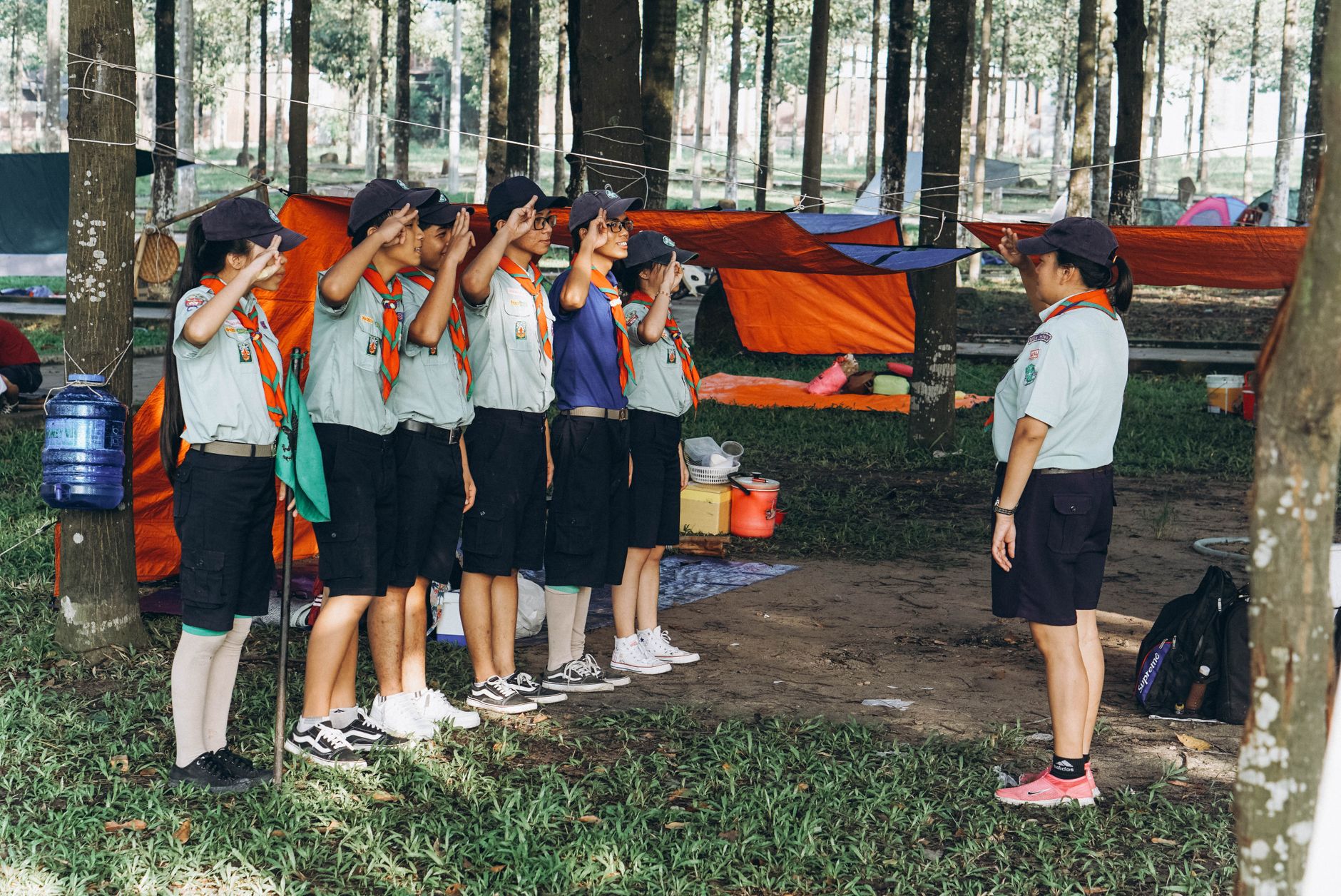
The Boy Who Earned the Campout
I sat in the car a minute afterward. Four men, four answers, and not one of them had said what I wanted a man to say. One had hated being helped. One had been left to walk last and had never been scolded for it. One agreed with Orrin. One was angry about the paperwork. It was not a case. It was a handful of things men remembered from when they were twelve.
Monday I drove out to see Harvey Brinker.
Harvey was 74. He had driven a milk route for the creamery co-op for thirty-six years and had been a Scout since 1963, and he sat on the troop committee still, mostly to keep an eye on the budget. He lived on the edge of town in a brick house with a Mercury Grand Marquis in the carport. I had picked him last on purpose. Everyone else in town asked Harvey what he thought of a thing before they decided what they thought themselves.
He gave me coffee at his kitchen table. I asked him my question, and he looked at me for a while with his hands folded.
“It meant I’d be somebody the other fellow could count on,” he said. “That’s the short version. Why are you really here, Trisha?”
I told him all of it. He listened to the end without once interrupting me, which at his age is a discipline.
“Orrin said ‘again,'” I said. “I keep thinking about it.”
“He would.” Harvey took his glasses off and set them on the table. “Last October. You didn’t hear about it, because the troop kept it in the troop. Bryce Holloway, eleven years old, got separated from the hike on the bluff in the fog, up past the second overlook. Wandered off the trail to take a leak and came back out on the wrong side. He was out there till after nine that night. The county search team found him sitting by a creek with his arms around his knees. He was fine. Cold and scared, and fine.”
“Orrin never said a word.”
“Orrin was on the radio for three hours and ten minutes. I know because he told me, and he knew the number. He’s been counting it ever since.” Harvey turned his coffee cup a quarter turn on its saucer. “I’m not telling you that to excuse him. I’m telling you so you understand what he was afraid of. Orrin decided he’d never lose a boy again. That’s a fine thing to decide. He just decided it about the wrong boy.”
“Bryce could hear fine.”
“Bryce walked off. Jonah has never walked off in his life.” He looked at me. “That’s the part Orrin didn’t work out. He took the one boy in the troop who pays attention to where he is, and he made him the risk.”
“So what do I do? I’ve asked everybody.”
“I know you have. I got three phone calls.” He smiled at me a little. “You’ve asked every man in this town what an oath means. Have you asked Jonah what he needs?”