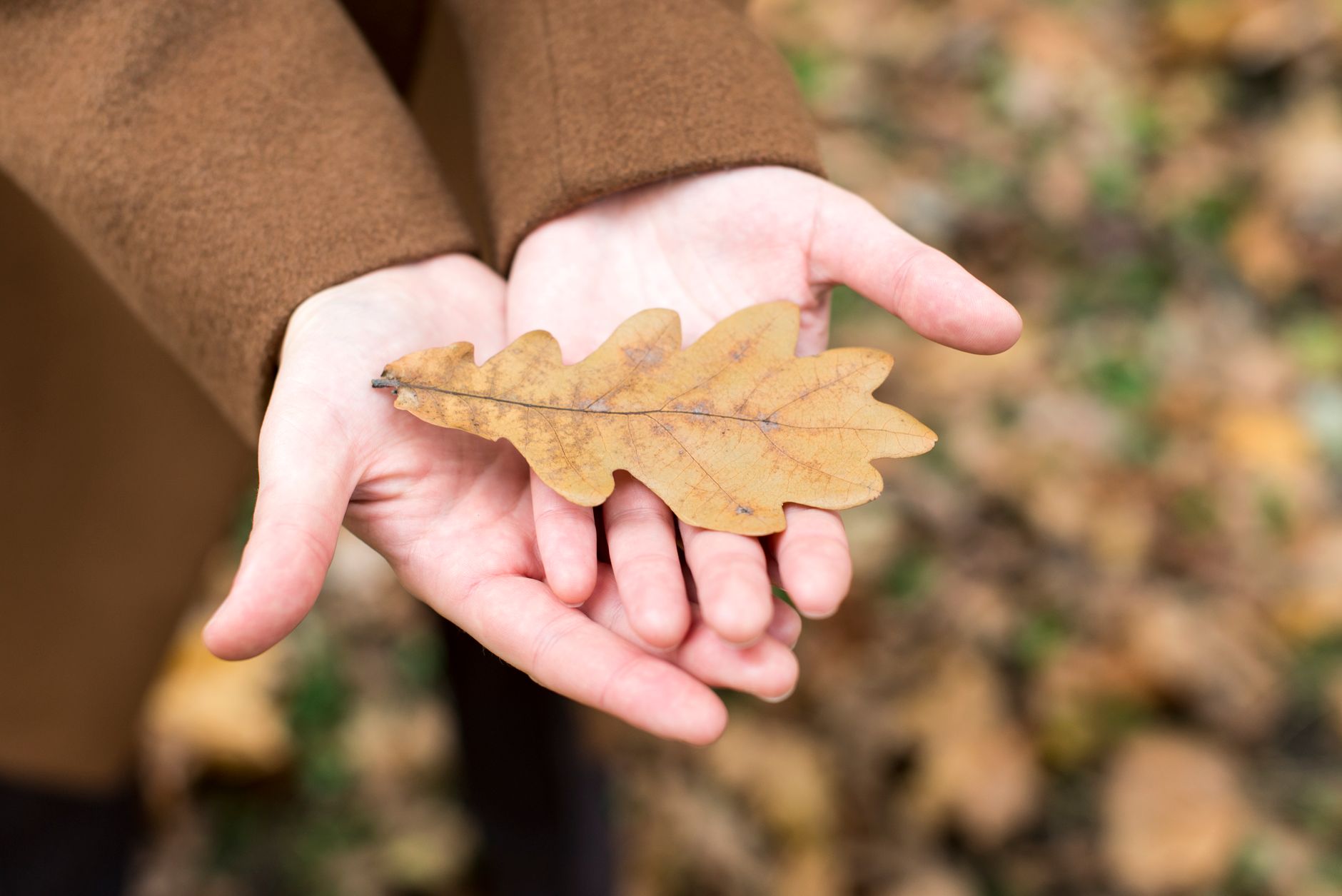
The Oaks on My Side of the Creek
The Man Who Should Have Been There
My husband, Mark, is a welder. He works pipeline jobs, which means he is gone when the work is good and home when it isn’t. That November the work was good. He was eleven hundred miles away in North Dakota, living in a camper with two other men from Kentucky.
I called him from the truck before I even drove back up our lane.
Mark is not a talker. He listened to the whole thing without saying a word, and then he said, “I’ll leave tonight.”
“You’ll lose the job.”
“I’ll get another job.”
“Mark, it’s sixteen hours. If they start Monday morning, those trees are on the ground before you get out of Minnesota.”
Then he said the thing that turned out to matter more than anything else anybody said that week.
“Who’s the logger?”
“Floyd Merriman.”
“Floyd,” Mark said, and I could hear him letting out a breath. “Okay. Floyd’s an honest man, Laura. I hauled logs for him the summer I was nineteen. He won’t cut a tree he isn’t sure of. Make him look at your map. Not Wade. Floyd.”
“And if he won’t?”
“He will,” Mark said. “Just be standing there when he gets there.”
Monday
I did not do it on Monday. That is the part I still have to forgive myself for.
Monday I went to work. I sorted my mail at five, loaded my trays, and ran my route like always, because I am the kind of person who goes to work. I told myself I would call a surveyor on my lunch. I told myself Floyd probably started at the top of Wade’s place, near his barn, and worked down.
I got home a little after three. I turned off the Jeep in the yard and sat there a second, the way you do, and that is when I heard it. A chainsaw. Down in the bottom. The big, deep sound of a real saw, a logger’s saw, and then that long tearing crack and the ground thump that comes up through your feet when a big tree hits.
I ran. I am forty-seven years old and I ran down that hollow in my postal shoes with Belle barking ahead of me.
By the time I got to the creek, the saw had stopped. A young man in chaps and an orange hard hat was walking out of the bottom toward Wade’s lane with the saw on his shoulder. He didn’t see me. He got in an old pickup and drove away.
Three of my oaks were on the ground.
They were the three biggest, the ones nearest the old slough, right where the creek used to run. They lay across each other with their tops in the sand, and the smell of fresh oak was so strong it made my eyes water. White oak smells a little like vanilla when it’s first cut. I had never minded that smell before in my life.
I counted the rings on the nearest stump. I lost count somewhere past a hundred and thirty. That tree was standing when my great-great-grandmother was a girl.
The Phone Calls
I called the sheriff. I want people to know I did that, because the first thing everybody asks is why I didn’t.
Darlene at dispatch has known me twenty years. “Honey,” she said, “I can send somebody out, but I’ll tell you what he’ll say. A property line is a civil matter. A deputy can’t stand in the woods and decide where your line is. That’s for a surveyor and a judge.”
“He’s cutting my trees, Darlene.”
“I know it. And if you go to court, you can get paid for every one of them, and then some. But the court won’t hear it before those logs are on a truck.”
She was right. I called the lawyer in town who had done Grandpa’s estate, and his girl said he could see me a week from Thursday. A letter would take longer than that. Floyd would have that bottom cleared and hauled by Friday.
I did not want a lawsuit. I did not want money for those trees in two years. I wanted them standing in the morning.
So I called my relief carrier, Kim, and asked her to run my route Tuesday. She didn’t ask why. Then I went up the attic stairs to Grandpa’s cedar chest.