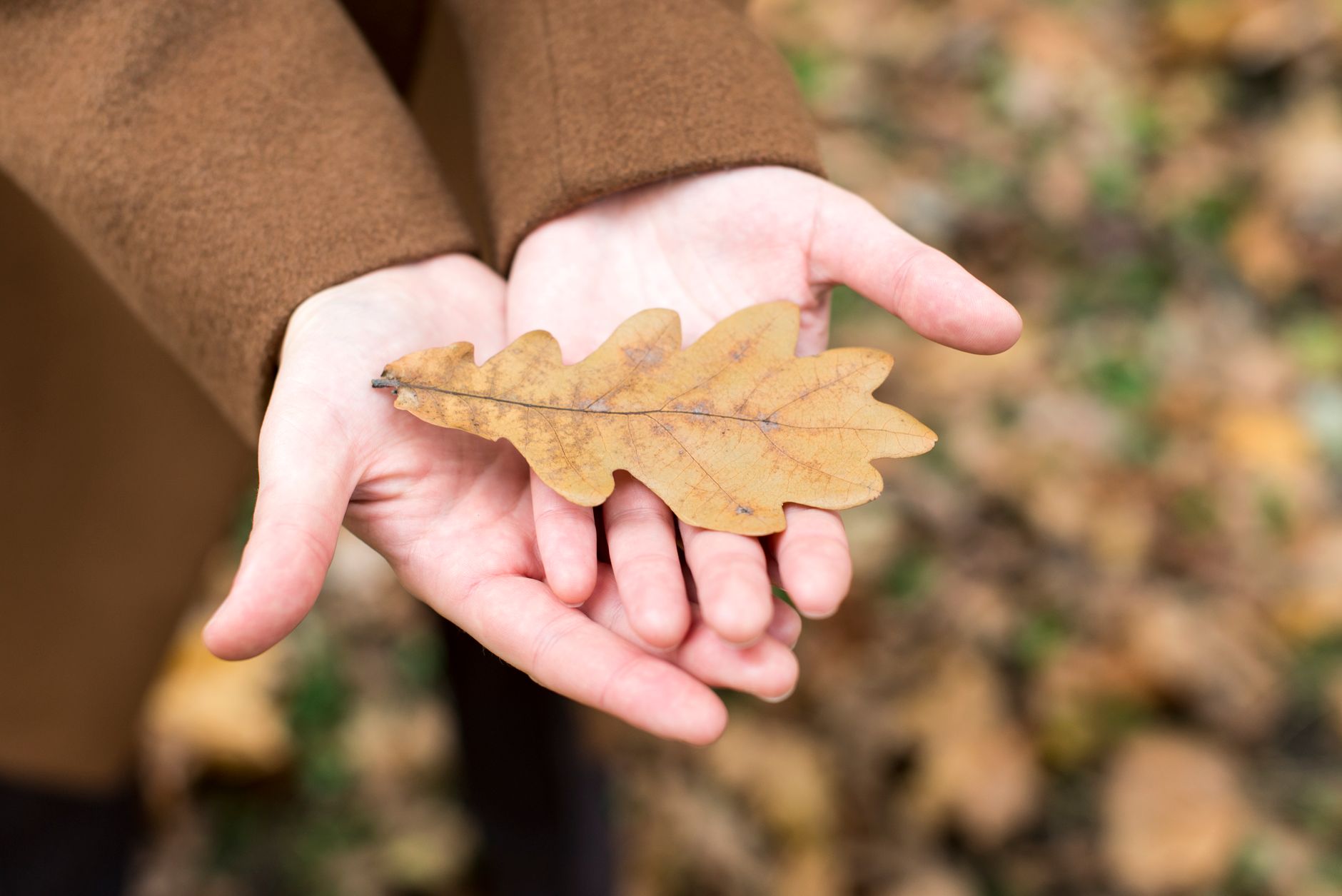
The Oaks on My Side of the Creek
Where the Water Went
Five years ago, in the big March flood, Mill Creek went over its banks and did what creeks in these hills do when they get enough water behind them. It found a lower way. It cut a brand new channel straight across the lower end of my bottom, two hundred feet west of where it had run for as long as anybody remembered.
When the water went down, the old channel was a dry slough full of sand and drift. The new channel had real water in it, and it stayed. So a long, skinny piece of my farm, about four acres of the best oak bottom in the county, ended up on the far side of the creek. Wade’s side, if you were only looking at the water.
I never worried about it. A deeded line doesn’t move because a creek does. Lines don’t swim. Henry Bauer knew where his farm stopped and mine started, and so did I, and so did the county survey my grandfather had done when he bought the place.
But Henry didn’t own it anymore.
I walked over to Wade’s that same evening. I took the plat map from the courthouse and the copy of Grandpa’s old survey, and I knocked on his back door, and he came out on the step in his sock feet and didn’t ask me in.
“I saw the paint along the creek,” I said. “I think there’s been a mistake.”
“No mistake,” he said. “Floyd Merriman and I marked them last week. Sixty white oaks. He’s starting Monday.”
“A lot of those trees are on my side of the line.”
“They’re on my side of the creek.”
I held out the map. He did not take it. He did not even look at it, not really. His eyes went over it the way you look at a church bulletin somebody hands you in the parking lot.
“The creek is the line, Laura,” he said. “Says so right in the listing. Bounded on the west by Mill Creek. I paid good money for this place and I’m not going to argue with you about four acres of brush.”
“It isn’t brush. It’s white oak.”
“Then I guess I’m lucky,” he said. “If you think different, get yourself a surveyor.”