The Pie They Would Not Let Me Enter
“It’s time somebody new won, Vernice.”
Lowell Pratt said it standing on my bottom porch step with his cap in both hands, the way a man stands when he has practiced a sentence in the truck all the way up the gravel.
I had a dish towel over my shoulder and flour to the elbows. I had been rolling out a test crust, which is what I do every year the second week of July, two weeks ahead of the fair, to see how the lard is behaving in the heat.
“Somebody new,” I said.
“The board voted Monday night.” He looked at the porch boards and not at me. “Open class fruit pie. Anybody who has taken the blue three years running sits out a year. It is going in the premium book as a new rule.”
“Three years running.”
“Yes ma’am.”
“Lowell, I have taken it eleven years running.”
“I know it.” He turned the cap a quarter turn. “That is sort of the trouble.”
I have known Lowell Pratt since he was a skinny boy who showed Hampshire hogs and cried when they sold. He is fair board president because nobody else will do it, and he does it well, and he does it for nothing. He had left a field to come tell me this to my face instead of putting it in the mail.
“So my pie cannot be entered,” I said.
“Not this year. Next year you would be welcome back.” He turned the cap again. “There has been talk. I will not carry it to you. But there has been talk, and the board had to do something.”
“What kind of talk?”
“The kind I would rather not repeat on a lady’s porch.”
I looked at him a good while.
There are a good many things a woman can say at a moment like that. I had most of them ready. I am sixty-three years old and I have a tongue, whatever they think of me at church.
What I said was, “Thank you for driving out, Lowell. I know you had beans to spray.”
He looked up then. I think he had braced for the other thing.
He put his cap on. He stood there another second like he wanted to give me something and had come with empty hands.
“It is a good pie, Vernice,” he said. “Nobody ever said it was not.”
“I know what kind of pie it is.”
He nodded and went down the walk to his truck. I stood on the porch until his dust settled. Then I went in and threw the test crust in the slop bucket, because it was ruined, and I sat down at my own kitchen table and looked at the wall.
The wall I looked at has eleven blue ribbons on it.
They hang in a row over the deep freeze on a strip of quarter round Buck tacked up for me, the oldest one gone nearly lavender from the west window. Under each one is taped the entry tag with the year on it. There is nothing fancy about it. Some women have china cabinets.
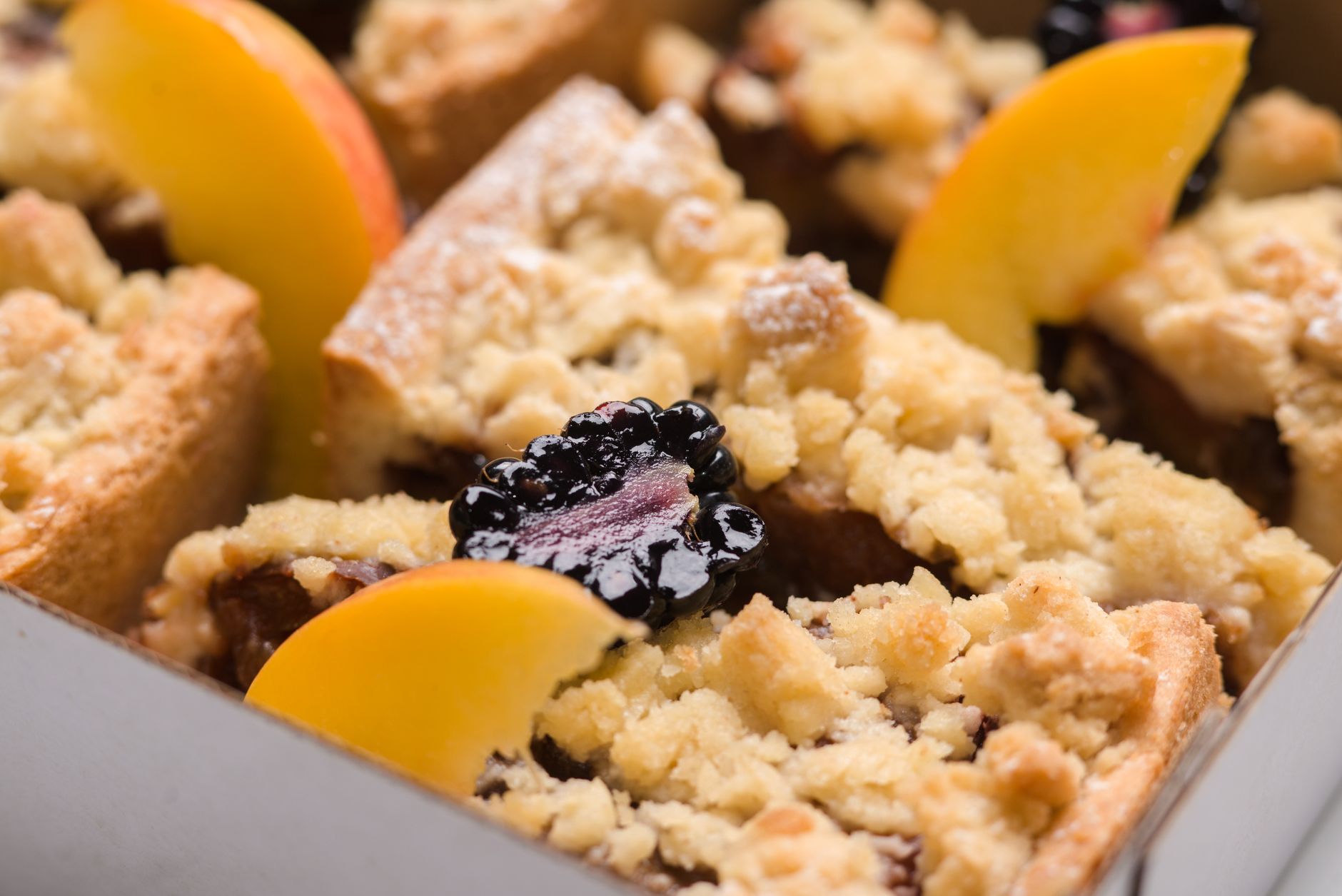
The pie is my mother’s. Blackberry, off the fencerow that runs between our place and the old Hobbs place, in a lard crust she learned from her mother in a kitchen with no electric in it. Mama entered that pie at the county fair for twenty-two years and took a red ribbon nine times and never once a blue.