The Pie They Would Not Let Me Enter
Lowell Pratt came around the corner of the hall about twenty minutes after that.
He stopped when he saw the line. Then he did a thing I give him credit for. He went to the back of it. It took him a quarter hour to get to me.
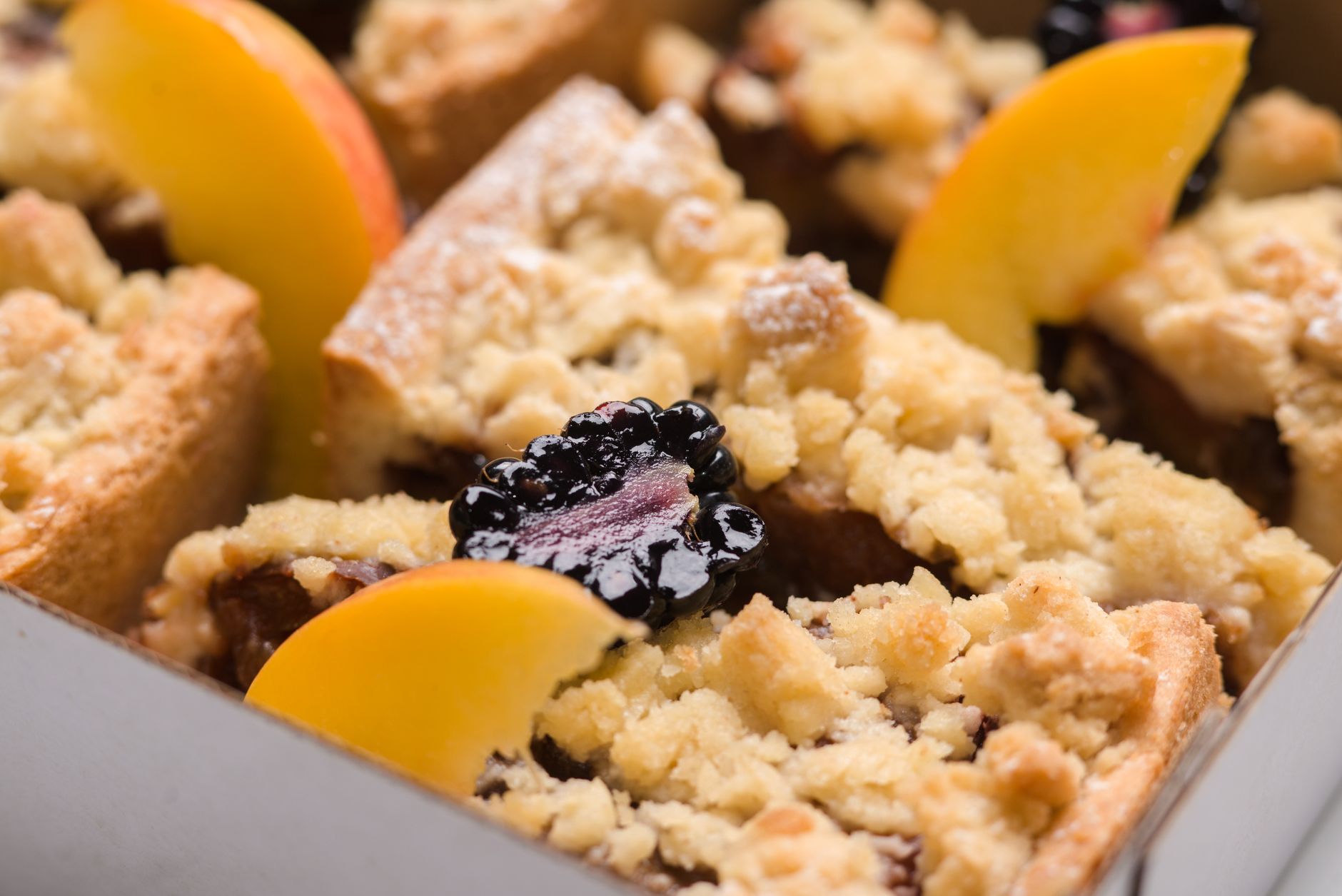
“Blackberry or peach?” I said.
“Blackberry.”
I cut it and plated it and handed it to him with a fork. He put a dollar in the jar.
“Vernice, I want to tell you the rest of it,” he said. “I should have told you on the porch.”
“I have got a line, Lowell.”
“I will talk while you cut.”
So he did. He stood at the end of my card table and ate my mother’s pie and told me.
Three families had come to the board over the winter. Not together. One at a time, which he said was worse. They said the pie contest was fixed. They said the same woman won every year, and everybody knew whose pie was whose, and what was the point of a young woman even carrying one in. One of them said her daughter-in-law had cried in the truck two years back.
“I told them it was not fixed,” Lowell said. “I told them the judges come from two counties over and they taste by number. I told them you win because it is the best pie. They said that is exactly what a man would say if it was fixed.”
I served a slice of peach to a boy in a seed cap and did not say anything.
“Entries have been dropping,” he said. “We had fourteen fruit pies the year you first won. Do you know how many we had last year?”
“Five.”
“Five. And four this morning.” He set his fork down on the plate. “A fair is not for the best pie in the county, Vernice. I am sorry, but it is not. It is for getting people to carry something in. If nobody will carry a pie in because of you, then I have got a ribbon and no contest.”
That landed. I stood there with the server in my hand.
Because he was not wrong. I had watched those entries drop myself, year on year, and I had told myself young women just do not bake anymore.
“You could have said that on the porch,” I said.
“I could have. I was a coward about it. I thought if I told you folks were calling it fixed, it would hurt you worse than a rule.”
“It would have. It still would have been the right way to do it.”
“Yes ma’am,” he said. “It would.”
He took a twenty out of his billfold and folded it and pushed it down in the jar.
“That is for the Sutton boy,” he said. “Do not make change.”
Buck came back through the gate with the other six at five till noon, just as I was scraping the ninth pan.
At noon they opened the hall.
I did not go in. I had a line. But the door was propped with a brick, and my card table sat not twelve feet from the pie table, and I have good eyes for distance yet.
The blue ribbon was on the blackberry pie in the shiny foil pan.
I stood and looked at it a long moment with a dollar bill in my hand that somebody was waiting on me to take.