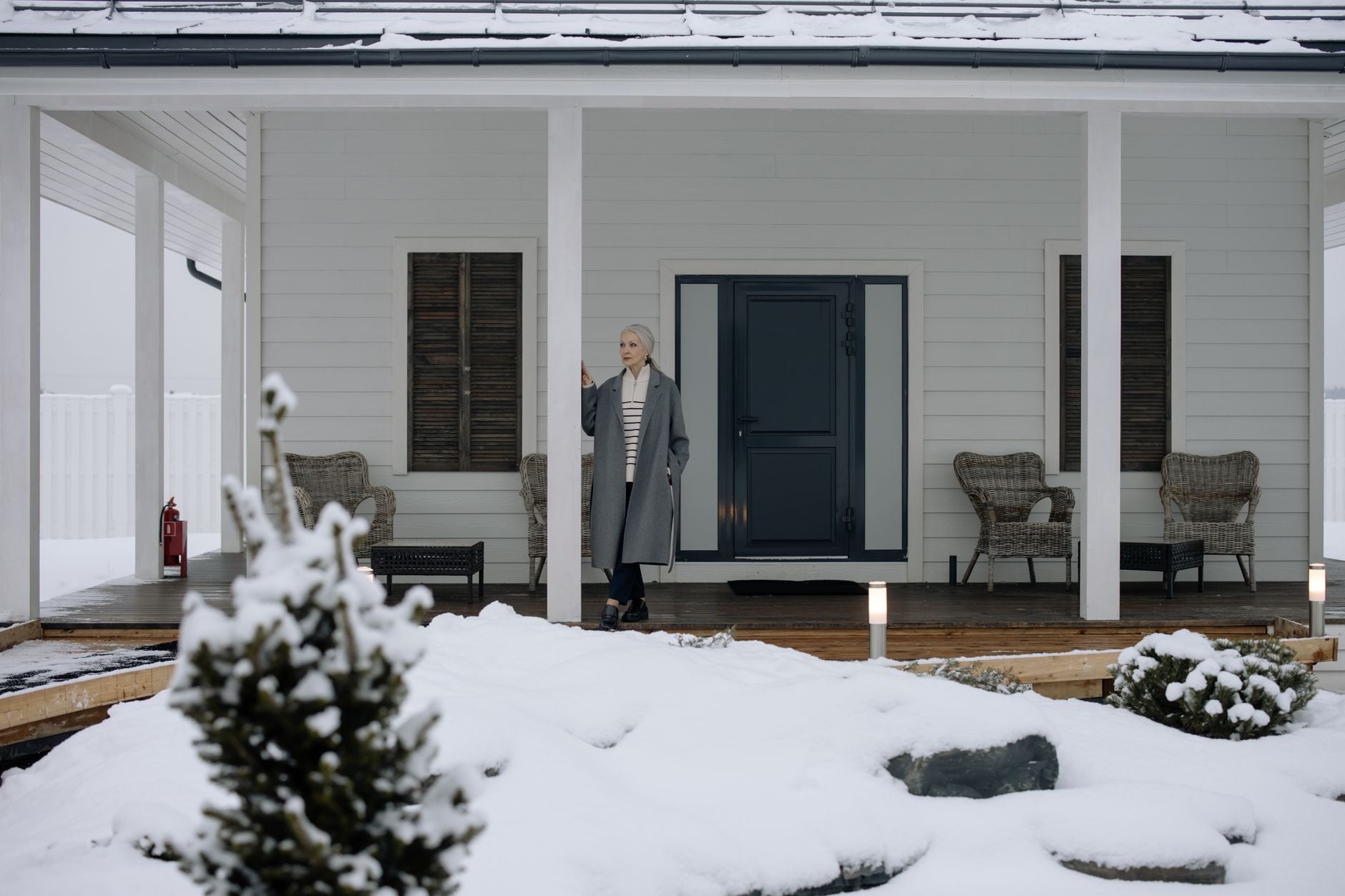
The Miller Place on the Courthouse Steps
“I gave you a pat on the head and gave them the farm ground,” he said. “And I called it a compliment, and you thanked me for it. I’ve thought about that thank you every night this week.”
“Ron.”
“Let me finish, I’ve only got it memorized the one way.” It was the nearest thing to a joke I ever heard him make. “I’m not going to write you a check. I could. Judy wanted to bring one this morning. But you’d be right to tear it up, and I’d be buying my way out cheap. You two bought my grandfather’s house with tip money and a bass boat. A check from me now would only be me trying to put my name on it.”
He put his cap back on.
“What I can do is build. That beam is rotted through and the posts are standing on nothing. That porch is going to hurt somebody, and my mother means to sit on it. I would take it as a kindness if you’d let me work on this house. Saturdays. As long as it takes.”
I could not talk. I nodded.
“Nate,” he called, “bring me that jack. And don’t touch my saw.”
“I’m thirty-six years old, Dad.”
“Then you’re old enough to know better.”
He came eleven Saturdays. I know because I counted them off on the feed store calendar I had hung on the kitchen nail where the seed company one had been.
The first three he gave to the porch. He and Nate jacked the roof an eighth of an inch at a time, set it on cribbing, and took out every rotted post and the whole front beam. He would not put treated pine where his grandfather had put fir. He found tongue-and-groove fir flooring at a lumberyard forty miles off and paid for it himself, and when I opened my mouth he said, “That’s lumber, not a check,” and I shut it.
He turned the new posts to match the one good old one. He did it at home on his own lathe, at night, and brought them out wrapped in a moving blanket.
The fourth and fifth Saturdays he did windows, reglazing the old sashes one by one on the sawhorses in the yard, and he taught me to run a putty knife so the line came out clean. The sixth he hung doors. The seventh, eighth and ninth he built kitchen cabinets, plain ones, face frame, the kind that were in that kitchen when his grandmother cooked in it. He asked Opal what color they had been. Cream, she said, with a green line. He painted the green line himself with a quarter-inch brush.
He would not let anybody sand the pantry door frame. He masked it off with his own hands and varnished up to the edge of the pencil marks and stopped.
Judy came every one of those Saturdays after the first. She brought dinner in a roaster and she brought her sewing machine, and she made curtains for nine windows. On the fourth Saturday she found me alone at the pump and took both my taped hands in hers.
“I picked out that card,” she said. “I stood in the drugstore a quarter of an hour finding the right one. I thought you would keep it.” Her chin shook. “I never once asked myself what it would be like to open it at that table. I am so sorry, honey.”
“I did keep it,” I told her. That was the truth. It was in a drawer.
Great story with anbending.
I really like the stories. I like that I can read them all the way and not have to fight and lose the page. Keep on doing this. Thank you.
Loved this one so much ❤