The Lunch Pail Full of IOUs
“I’m off the truck by three-thirty most days,” he said. “You take the close ones in the mornings and save me the far ones. I know every lane north of the interstate and I know which dogs mean it.”
That is the nearest thing to a speech I have had from him since he proposed.
At first light I drove to the shop.
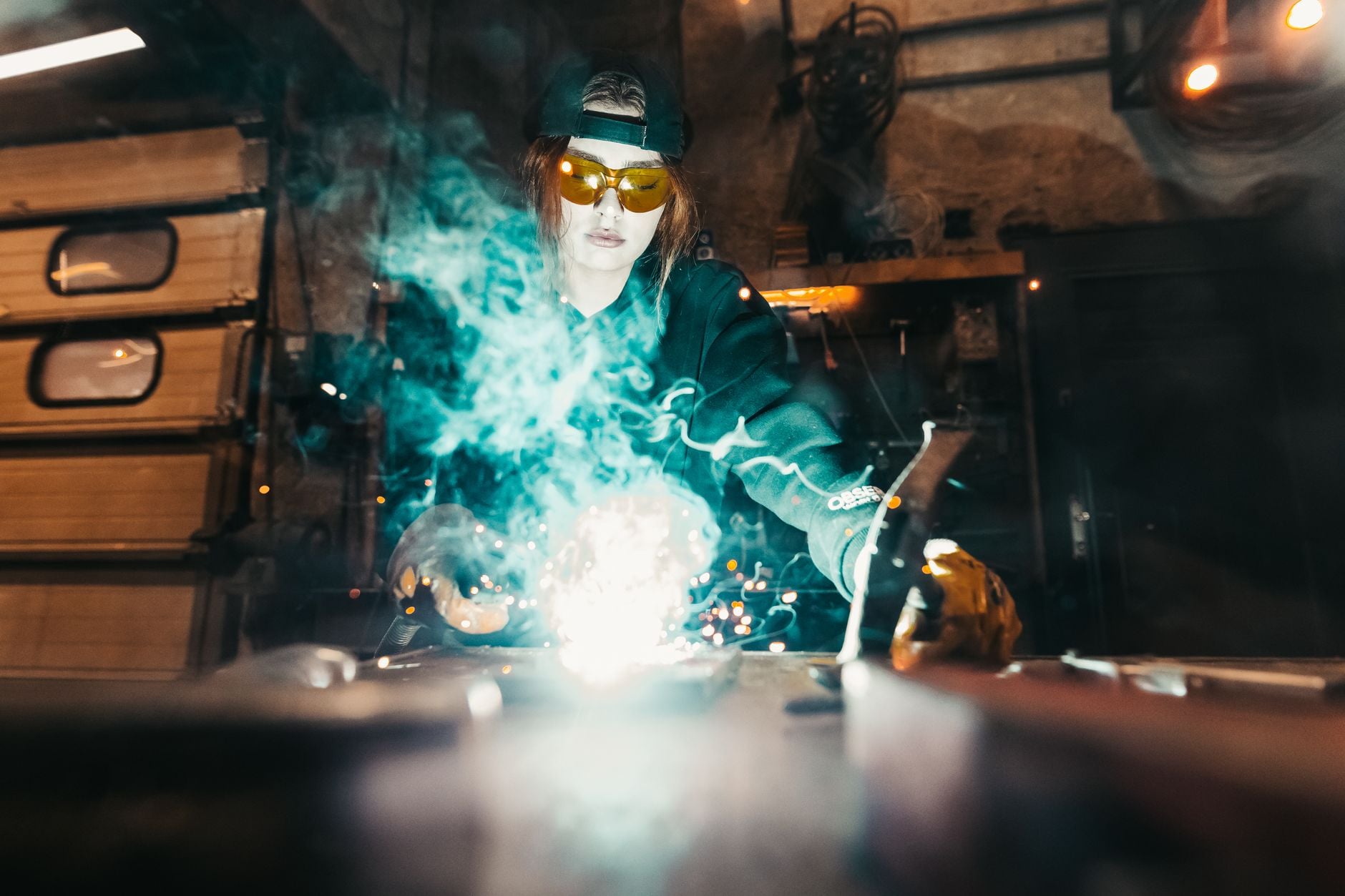
I had my own key. I rolled the big door up and the cold came in with the light, and there was everything as he had left it. His helmet on its nail. The pegboard with the outline of every tool painted on it in red, so a thing would get put back where it lived. The big Lincoln welder against the back wall with its leads coiled.
I set the pail on the bench. That bench is a single plate of steel an inch thick, scarred all over with forty years of arc strikes. I opened the lid and for a minute I just stood there in my denim jacket and breathed it in.
Then I took the black paint marker he used for marking steel, and I unfolded the slips one at a time, and across each one I wrote a single word.
Paid.
Under it I wrote the date he died, and his name the way he signed it. Harold.
I did forty that way.
The forty-first I held a while. It was written on the back of an invoice from a transmission shop in Salina. I knew the handwriting as well as I know my own, because the boy who wrote it taught me to ride a bicycle.
“Dad, I owe you $2,500 for the transmission. I will pay it back. Dale. March 2011.”
I marked it like the others. Then I put it in the pocket of my jacket, apart from the rest.
I went to Mrs. Novak first, because she is eighty-four and lives alone, and I was not going to have her hear about any of this from somebody’s telephone.
Her place is nine miles northwest, up toward Wilson, in the post rock country where the fence posts are limestone because there were never trees enough to cut any. She was in the yard in a man’s barn coat, throwing scratch to six hens.
“Lynn,” she said. “Oh, honey. I meant to get to the funeral and my knees would not have it. I sent the kolaches with Darlene.”
“They were the first thing gone,” I said.
She had me in her kitchen before I could say why I had come. The wood stove was going. I looked at its door and saw the bead across the top hinge, a neat little stack of dimes, eighteen years old and not a crack in it.
I took her slip out of the pail and laid it on the table in front of her.
It was a page off a Farm Bureau calendar, January 2008. She had written on the back of it in blue ballpoint, in the upright hand they used to teach.
“I owe Harold $60 for the stove door. Will pay when the calves sell. Mrs. Edwin Novak.”
She did not pick it up. She put two fingers on it, the way you would touch a sleeping child.
“Edwin died on the fourth,” she said. “On the ninth that hinge snapped clean off. Eleven below. I had the door propped shut with a poker and a brick, and I was afraid to go to sleep.” Her voice was level. “I called your dad because I did not know who else fixes a stove. He was here in forty minutes. He welded it down on his knees on this floor, with the door still hot, and he would not take his coat off in my house because he said he was too dirty.”