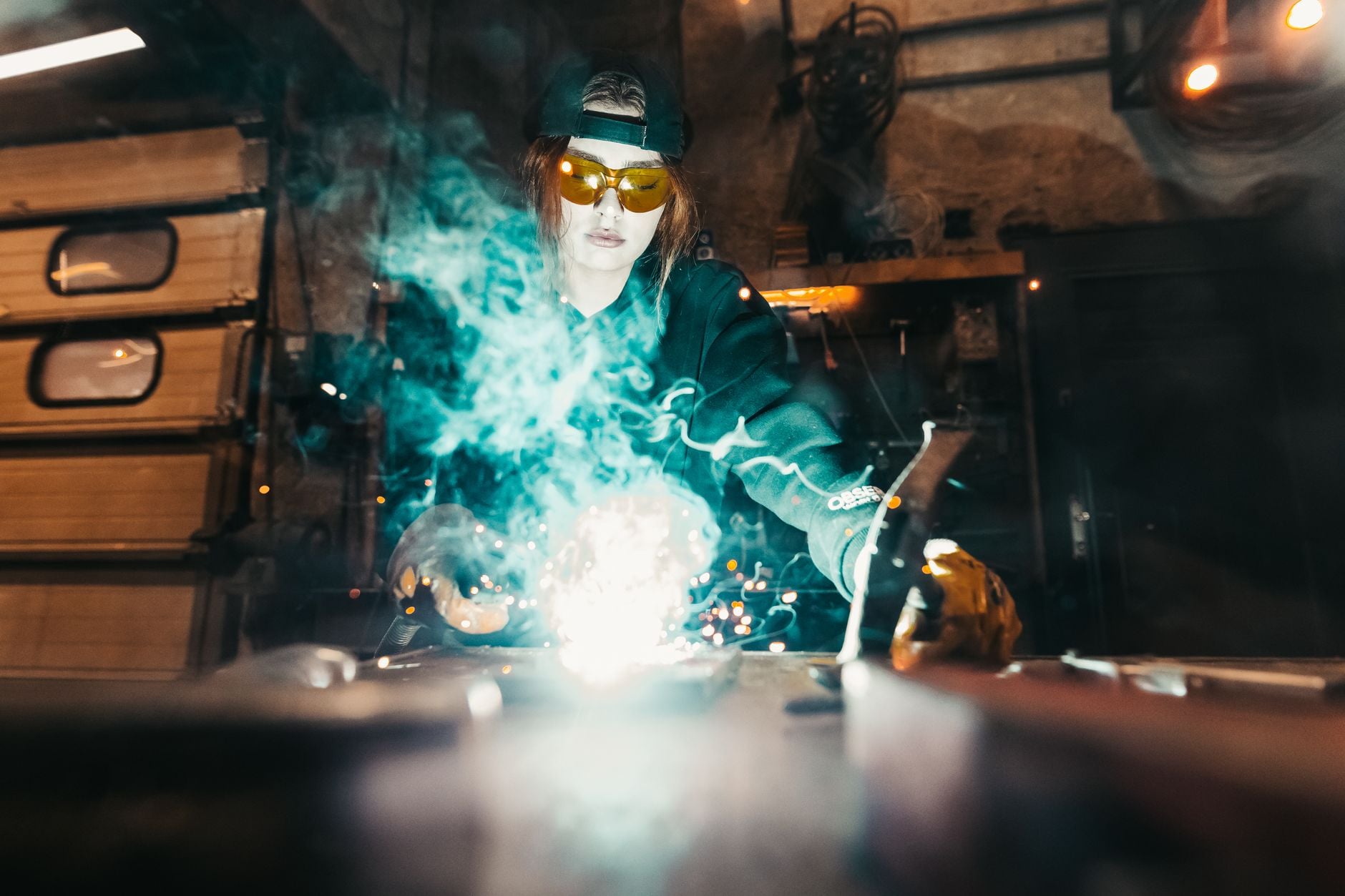
The Lunch Pail Full of IOUs
“Well, Lynn,” my brother Rick said, “looks like you got the lunch pail.”
He laughed when he said it. Dale laughed too, though not as long.
We were at Dad’s kitchen table in Ellsworth, Kansas, two hours after we buried him. I still had my church shoes on. The house smelled of the ham and funeral potatoes the Methodist women had sent home with us in foil pans, and under that, the way it always did, of coffee and cutting oil.
Dale was holding a sheet of paper torn off the pad Dad kept by the telephone. He had found it that morning in the drawer with the flashlight batteries, folded once, with all three of our names on the outside.
It was not a will. Dad never had a will. It was eleven lines in the square block letters he used for writing up a job ticket.
Dale had read it out loud, slow, with his finger under the words.
“The checking account is for Dale and Rick. It is already set up that way at the bank. The tools get sold and split three ways, fair is fair. The lunch pail goes to Lynn. She will know what to do with it.”
Then he had signed it the way he signed everything. Harold. No last name. Everybody in Ellsworth County knew which Harold.
The part about the bank was true. After Mom passed in 2017, Dad had gone in and put the boys on his checking account as payable on death. The money would go straight to Dale and Rick with a death certificate and two signatures. No paper in a drawer was needed for that, and no paper in a drawer could have changed it.
There was $6,200 in it.
I knew the figure to the dollar, because I had balanced that account every month for nineteen years.
“Thirty-one hundred apiece,” Rick said. He is two years older than I am and has always been quick with a number. “And Lynn gets a bucket.”
“It’s a lunch pail,” I said.
“It’s a dented lunch pail.”
That much was true as well.
It sat in the middle of the table where Dale had set it down. A black steel pail with a domed lid, the kind that holds a thermos up top under a wire clip. Dad carried it eighteen years down the shaft at the salt mine in Kanopolis before he ever opened the shop. The black paint was worn to bare metal at the corners. There was a crease across the lid from the day in 1979 when a slab came off the wall of the room he was working and missed him by the width of that pail. He never hammered the dent out. He said a man ought to keep a reminder where he could see it at noon.
The wire clip broke about the time I started high school. After that the thermos would not ride, so the pail went up on the shelf over his workbench and got a different job.
Rick thumbed the two latches and tipped the lid back.
The smell came up first. Coffee, forty years deep in the steel. And under the coffee, the burnt, sweet smoke that comes off a welding rod. I would have known it blind.
Then the paper.
The pail was full to the hinge with folded slips. No two were alike. Backs of parts receipts. A corner torn off a feed sack. A page from a Farm Bureau calendar. A bank deposit ticket, a church bulletin, the flap of an envelope. Some had gone as soft and brown as an old dollar bill.