The Twelve Chairs I Carried Home
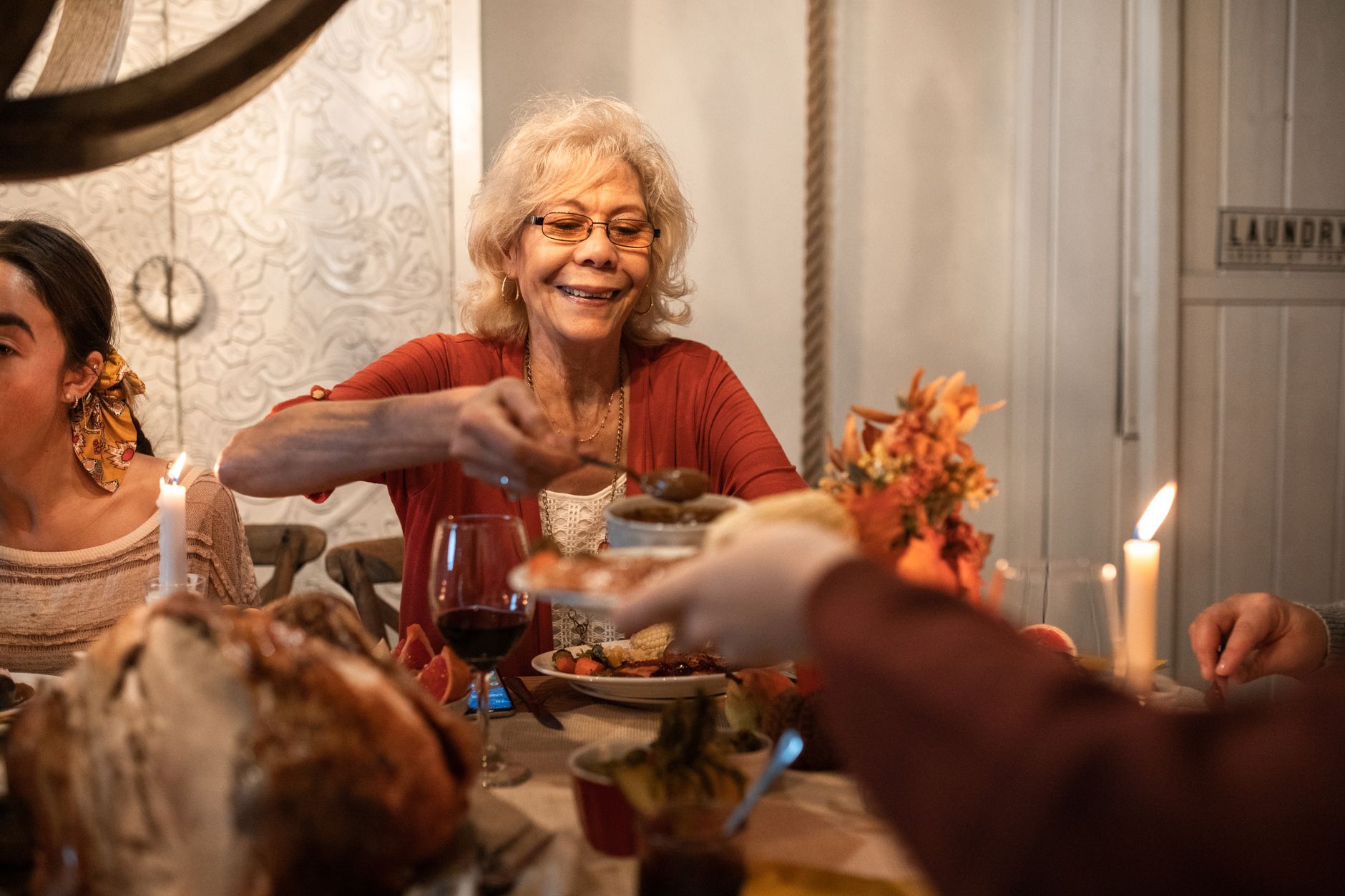
Then the four-year-old on the piano bench, who had had enough, said “Amen!” loud enough to rattle the gravy boat.
Harold laughed until he had to take off his glasses. So did everybody. “That’ll do,” he said. “That covers it.”
The relish was so sour it would turn your face inside out. Every person at that table took seconds. Ben from Wyoming ate four helpings and told Harold it was the best he ever had, and I decided right then that boy was welcome at my house until he graduated.
Dylan sat in the chair with the chip out of the rung. He did not lean back in it once. I saw him start to, twice, and catch himself.
I looked down the length of that table in the middle of dinner, at the elbows and the passing and Wayne arguing with Jim about a road grader, and I understood something I had not let myself know for four years. I had not lent that table to Stephanie because she needed it. I had lent it because I could not stand to look at it empty. I had thought the table was for my family. It was for whoever needed a place, and it always had been. Don knew that. He’s the one who went and bought twelve chairs’ worth.
Nobody at my table that day was tolerated. I want that written down somewhere.
The last of them left about four. Harold stayed longest, and stood on my step with his empty Cool Whip tub.
“Roberta,” he said. “I was dreading this day since March.” That was all. He put on his hat and went.
Dylan and I were at the sink. He was drying. It was getting on toward dusk, the light gone blue in the yard, when headlights swung across the kitchen window and stopped.
“That’s Curt’s truck,” Dylan said.
I dried my hands and went to the front door and opened it before anyone could knock.
There were three of them on my porch. Curt, behind, with his cap in his hand. Stephanie, who had been crying and had quit trying to hide it. And in front, in a good wool coat with a pie balanced on each palm, Mrs. Lindquist.
She was the one who spoke first.
“Roberta,” she said, “I have just eaten Thanksgiving dinner off a card table. I’ve eaten off worse. But I have never in my life eaten at another woman’s expense without knowing it, and I have come to apologize for a thing I didn’t know I had done.”
I didn’t know what to say to that, so I said, “You’d better come in. Those look heavy.”
“Sour cream raisin and a pumpkin,” she said. “Neither one’s been cut. We didn’t get that far.”
I got the rest of it over the next hour, from three people who each told it a little different.
They had all sat down at one o’clock at four card tables of four different heights, under an ironed bedsheet, in a dining room with four dents in the new carpet. Stephanie’s turkey was a little dry and her gravy, by her own account, was like wallpaper paste. Nobody said a word about it. The Lindquists turn out to be nice people.
About halfway through, Mrs. Lindquist said, as pleasant as could be, “Stephanie, where did that lovely oak table go? I’ve been admiring it since June.”
And Stephanie could have said anything. She could have said it was out being refinished. She has told me she had three different stories ready.