The Hay That Came Home Again
The road fence
Arlen’s first load was already there when I topped the hill.
Eight bales on the flatbed, the red dually idling, and my son on his father’s tractor with the bale spear, lifting them off one at a time as carefully as if they were made of glass. Arlen’s grandson was on the ground with a pair of gloves, pointing.
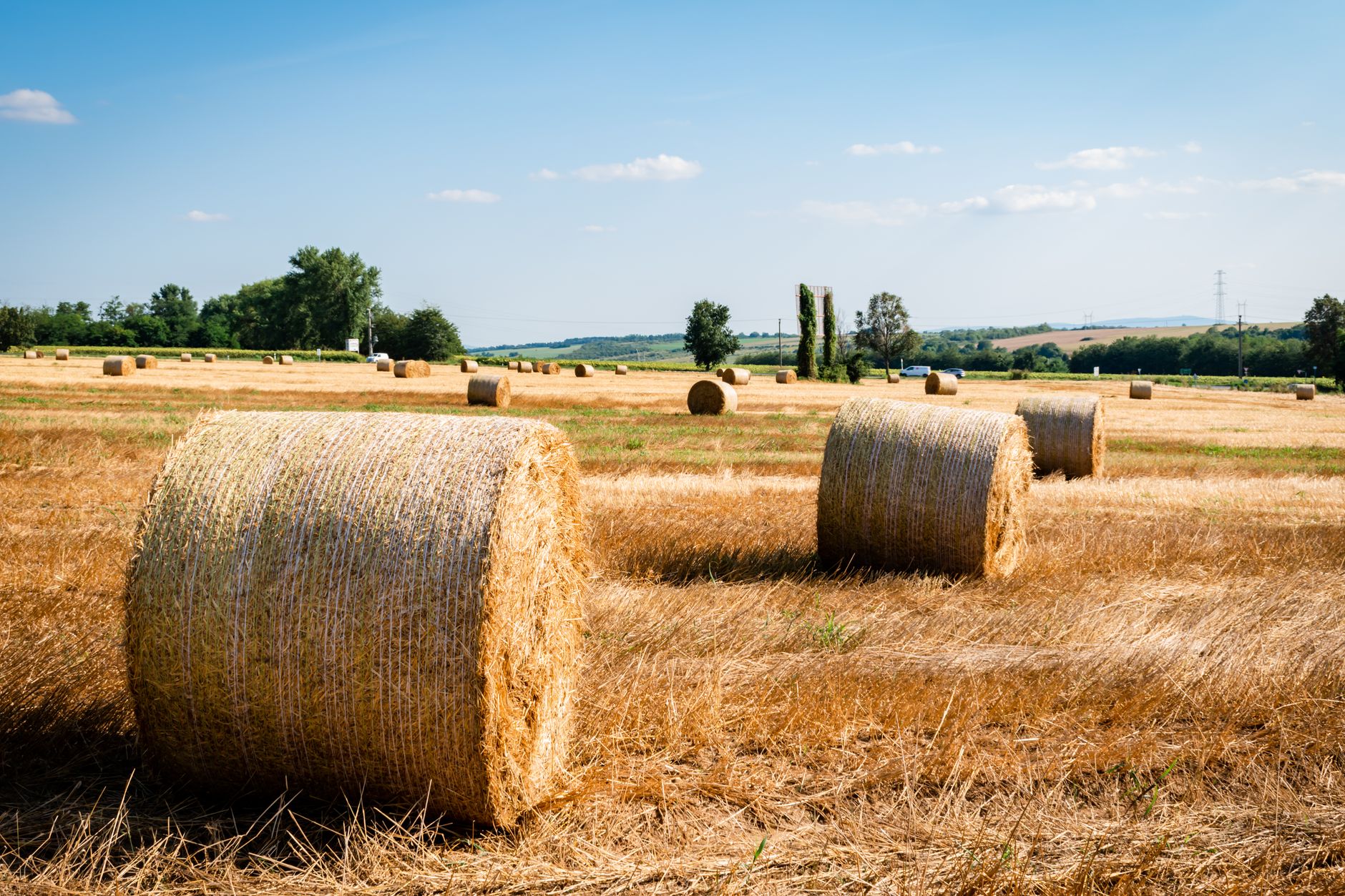
Ben had started the row exactly where Tom always started it. Along the road fence by the north gate, running north and south, each bale butted up tight against the one before so the weather cannot get into the ends. Tom was particular about that. North and south so the sun dries both sides. A good three feet between rows so the snow blows through and does not drift in and rot the bottoms.
Nobody had told Ben to do it that way. He had just watched his dad for seventeen years.
I got out and stood by the gatepost with Pete leaning against my leg.
That was Wednesday. I thought that would be the size of it: Arlen’s flatbed going back and forth, Gene’s semi after dark, Steve’s little trailer two bales at a time into next week.
I had not reckoned on a small town.
Arlen’s grandson told his mother, who works at the bank. Gene’s hired man told the fellows at the elevator.
Thursday morning at six there was a pickup and a flatbed in Steve and Kim’s yard that did not belong to them. Then another. By seven there were four trailers lined up on the oil road, and Steve came out on his step in his sock feet with a cup of coffee and just stood there.
They cleaned out his thirty-two bales in two hours. He never made a trip.
Thursday evening it was Gene’s semi, thirty-four at a time, and men I had known all my life climbing up to throw the straps. The pastor’s husband. Two of the boys who had carried Tom’s casket. A man who had sat on the church board with him for nine years.
The women brought supper to the field. Nobody organized it. There were ham sandwiches and a roaster of baked beans on a tailgate, and a five-gallon cooler of iced tea, and somebody’s little girls running up and down the new rows of bales in the long light.
I had sat through a funeral lunch in the church basement five days before and tasted nothing. That night I ate two sandwiches standing up in my own hay field.
Ben kept the count. He had Tom’s notebook in his shirt pocket. I had given it to him that morning, and he wrote each load on the page after his father’s last one.
It was near dark when Gene’s last load came off. Ben shut the tractor down and walked the rows with his finger out, counting under his breath. Then he walked them again.
“Mom,” he said. “I’ve got two hundred and twenty.”
“Count again.”
“I counted twice. Two hundred and twenty. We’re eight over.”
Gene Pokorny was coiling a strap and did not look up. He had already put in his four.
Arlen was studying something very interesting on the toe of his boot.
Eight bales. Arlen’s flatbed hauls eight to a load. I noticed that, and I have never said so to him, and he has never said so to me.
“Well,” Arlen said to nobody. “Hay settles funny. Could be a man loses count.”
“Could be,” Gene said.
That is all that was ever said about it.
A great story! Loved every word of it! So sad when family takes advantage of each other!