The Thanksgiving I Did Not Cook
“Honey,” Pearl said, “I am going to ask you one question, and then I’m going to do what you tell me. Do you want to go?”
“Yes.”
“Then go. We’ll come at two. Homer has the truck and I have three women who will be awake anyway. Leave the lights off in the front.”
“What do I tell Garth?”
“Nothing,” said Pearl. “Honey, you have spent five years telling him things.”
At two, I slid out of bed. I took my suitcase from the closet, packed the night before in secret under a stack of towels, and wheeled it, very slowly, down the stairs.
Pearl’s headlights swept the kitchen window at two-fifteen.
They came through the back door without knocking, which I loved them for. Homer Upton, seventy-three years old, in a canvas work coat over his pajama bottoms, carrying two folding hand trucks. Pearl in a quilted vest with a thermos. And behind them three women I knew from the kitchen committee, Bible study women with strong forearms and no illusions, who looked around my kitchen the way soldiers look at a supply depot.
“Lord,” one of them said, softly. “She did all this in one day?”
“Start with the pies,” said Pearl.
They worked fast and nobody talked. Nine pie shells went into banker’s boxes. The dressing base went into the church’s coolers, then the sweet potato mash, the collards, the rolls on their trays still proofing under towels. Homer wheeled out the ham, then the first turkey, then the second, nested in their roasting pans. They took the green beans, the gravy base, the relish, the whole, careful, fourteen-hour architecture of the day before, and carried it down my driveway and into the bed of a pickup truck in the November dark.
I stood in the middle of it, holding my suitcase handle, watching my own work leave.
At three, Pearl laid a hand on my arm. “We’ll have the first turkey in the church oven by a quarter to four,” she said. “By noon, ninety people will sit down to this. I’ll tell every single one that Opal Thorpe made it, and they’ll say a grace over your name.”
“Don’t tell Mavis,” I said. It came out like a joke, and then it didn’t.
“Child,” said Pearl, “I would not need to.”
When they were gone, I stood alone in my kitchen. Every counter was bare. I had wiped them with bleach water. The oven racks gleamed. The sink was empty and dry.
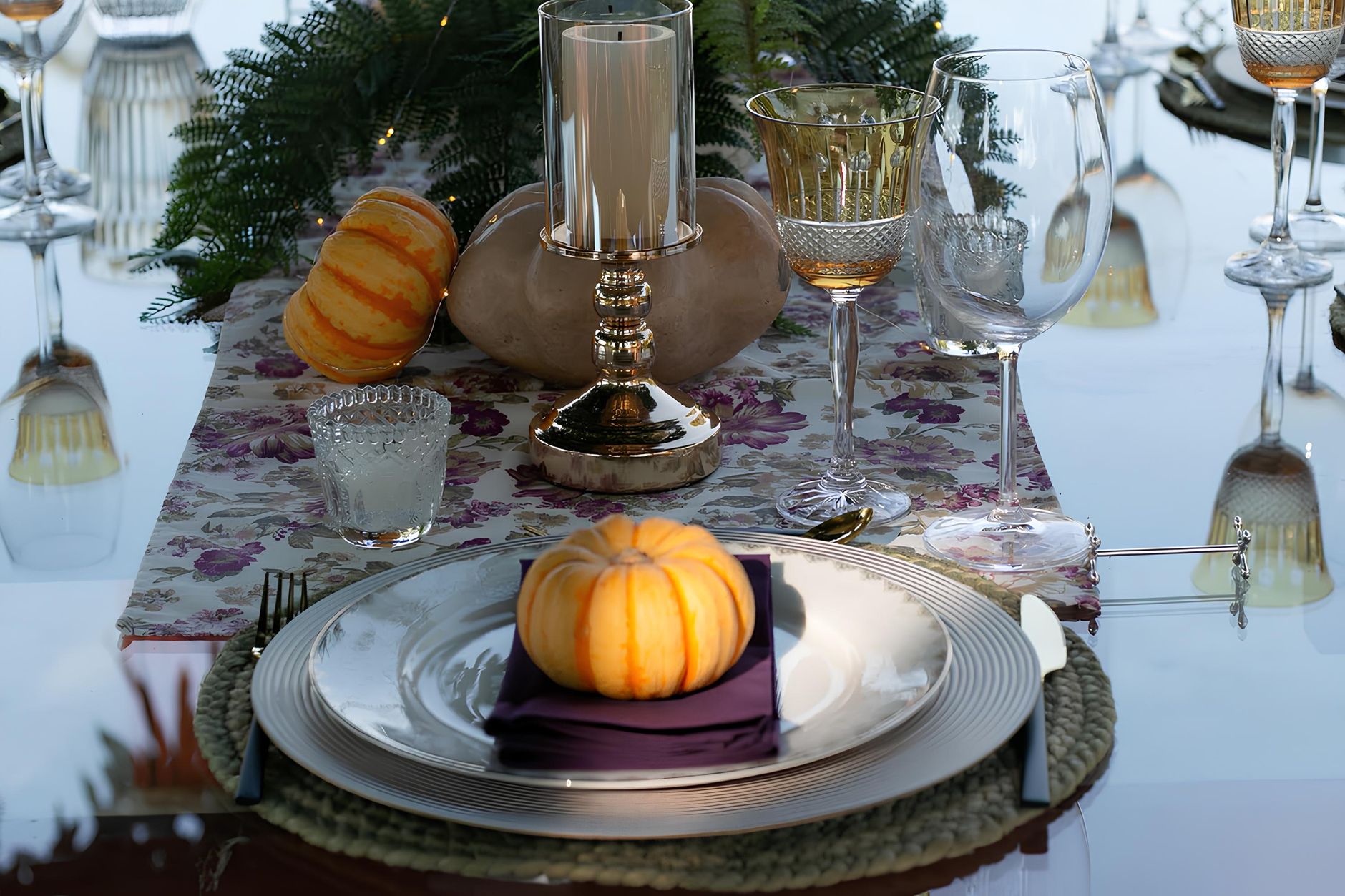
The table in the dining room was exactly as Mavis had left it. Thirty-two gold-rimmed plates. Thirty-two forks. Thirty-two name cards in swirling calligraphy, with Ivan and Roxanne Upton seated at the right hand of Mavis’s chair, which she had arranged herself on Tuesday, with great care.
I left one thing out on the kitchen counter, and I did it on purpose.
It was the third turkey. A twenty-four pound bird Garth had insisted we buy on Monday, “just in case,” the one he had never once thought to take out of the freezer. It was still as hard as a bowling ball. I set it on a platter in the middle of the counter. Beside it I laid the electric carving knife, a corkscrew, and a bottle of Mavis’s favorite red.
Garth had told me he would carve and open the wine. I thought he might want the supplies.
Then I took the three typed pages of Mavis’s guest list, flipped over the last one, and wrote on the back in black marker. I wrote it slowly, in my neatest printing, because I wanted it to be unmistakable.