The Plate I Was Told Not To Fill
My mother said it in the voice she uses for church announcements, bright and carrying and pleasant, so that nobody who heard it could say she had raised it.
“Wendy, don’t fill that. You didn’t pay for this. Let the guests go first.”
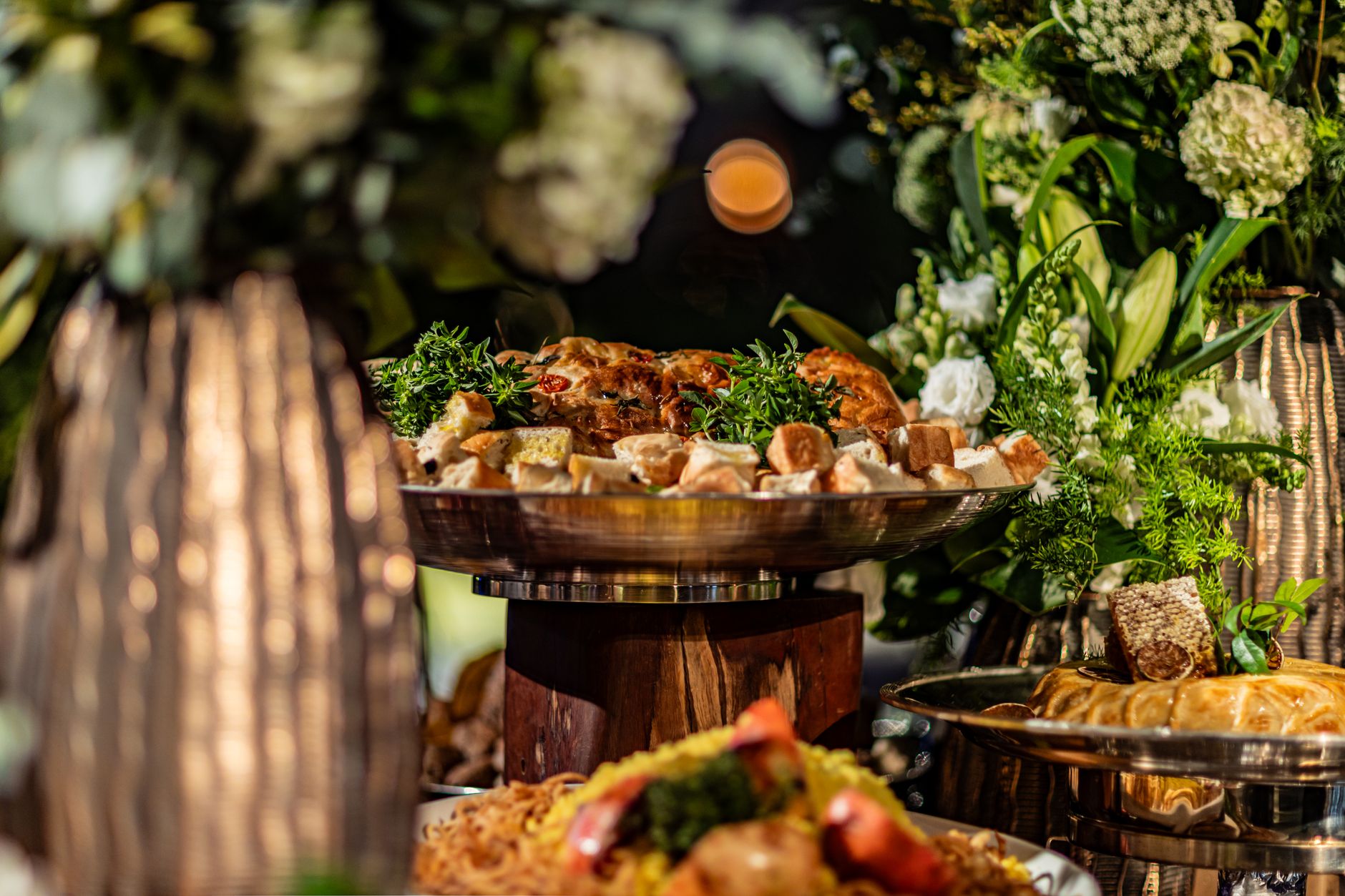
I was standing near the front of the buffet line in the Grain Room at the Millstone Supper Club in Linden Hill, Indiana, with a white dinner plate in my left hand. The prime rib sat under a heat lamp, steam coming off it in a slow curl. Fifty-two people were in line behind me holding their own plates, and every one of them heard her. The little laugh she tacked on at the end did what it always does. It turned the thing into a joke I was supposed to be a good sport about.
My sister Cheryl was standing one step in front of me. Her plate already held two slices of prime rib, a mound of garlic potatoes, green beans, a roll, and a second roll balanced on top of the first. She looked back over her shoulder and smiled at me the way you smile at a dog that has been told to wait.
“Family eats last, Wen,” she said.
Behind her, at the head table by the fireplace, my father was looking at the tablecloth. My father is a quiet man who spent thirty-one years on the county highway department, and when something is wrong in a room he has a habit of studying whatever is nearest his hands. Right then it was a folded napkin.
I would like to tell you I said something sharp. I would like to tell you I put the plate down and gave my mother a speech. I did neither. I said, “Of course, Mom,” and set the plate back on the stack, and I felt something in my chest go quiet and flat, like a pond in January.
Because here is the part my mother did not know, and had never once thought to ask. I had paid for all of it. The room. The deposit. The menu. The flowers on the tables. And the card that was going to cover the rest of the bill, nearly six thousand dollars, was on file with the manager of the restaurant, and it had my name on it.
I am thirty-four years old, and until that night I would have told you that being the dependable one in my family was a kind of love. The plate was not the beginning. It was only the first time somebody said the quiet part out loud in front of an audience.
I was sixteen the first time I understood how things worked in my mother’s house.
I had gotten a job that summer at the Dairy Dip out on Route 9, working the window from eleven to seven, and I was proud of it. I came home on the first Friday with a paycheck for $212.40 folded in my back pocket like a secret, and I laid it on the kitchen table because I thought she would be happy.
My mother picked it up. She read the number. She took out her reading glasses and read it again.
“Well,” she said. “Board is forty a week. You’ll owe me for the summer, then. Nothing in this house is free, Wendy.”