The Padlocked Box Behind The Foreclosed House
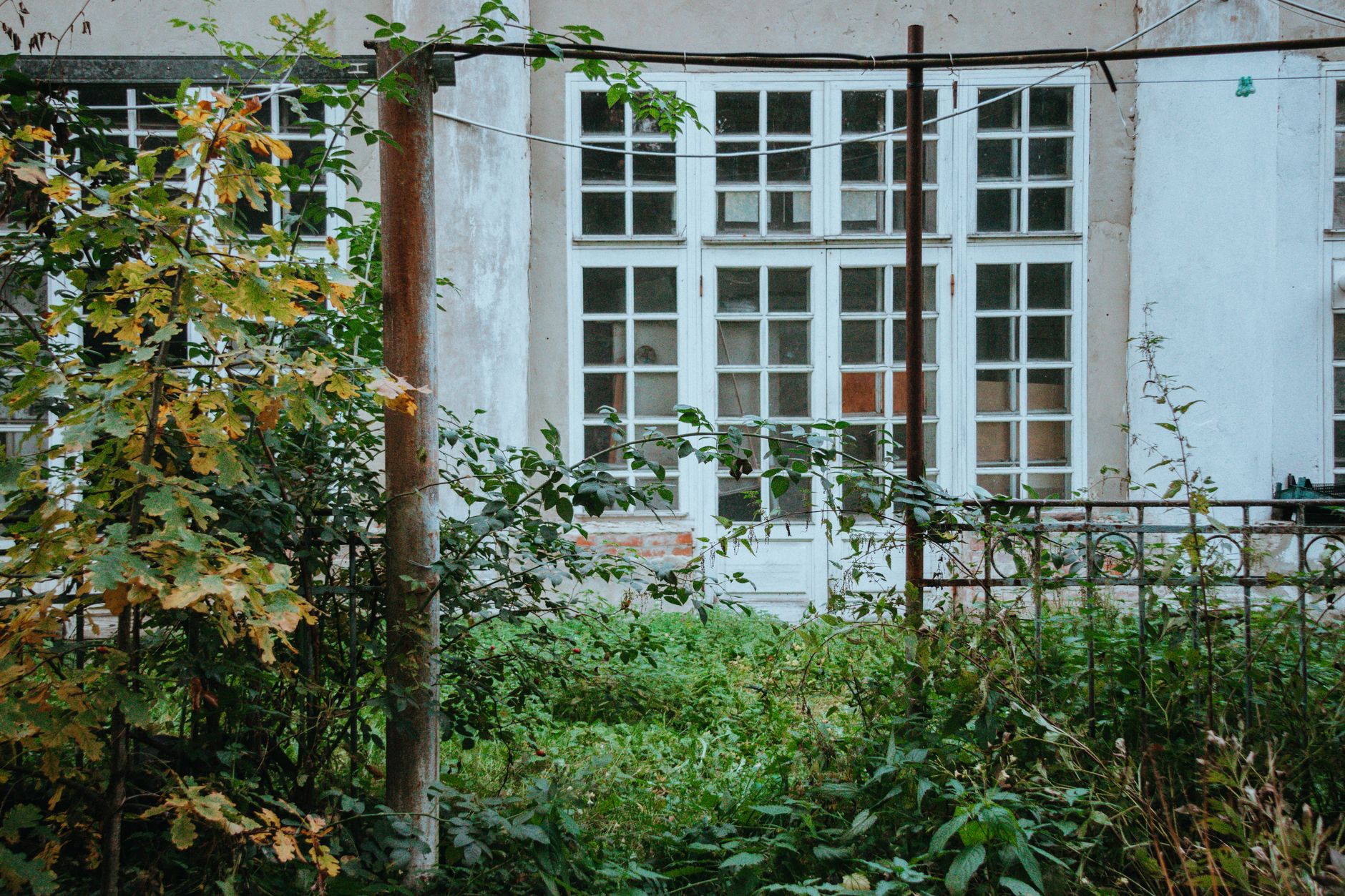
Thursday afternoon, hours before suppertime, Lois Harlan’s tan Buick had pulled into the alley behind the Mercer Street house. Bev had seen Lois walk out through the weeds to the back of the yard. She had heard a dog bark, one time, happy, the way a dog barks at somebody it knows. Then she had heard a sound like metal on metal. And then Lois had walked back to her car alone and driven away.
That evening at dusk, Bev had watched Josie come through the fence and kneel in front of that box and try to pry the lock with something small and shiny until it got too dark to see.
Friday, Bev had heard the dog whining. Saturday, too. She had closed her windows and turned up the radio.
“It’s Lois,” she said, and her voice broke. “Do you understand? Lois sat up with me three nights when Harold died. What was I supposed to do, call the sheriff on Lois Harlan? I told myself she must have had a reason. I told myself somebody would come.” She put her face in her hands. “And then when they all started saying it was Wade, I let them. God help me, it was easier.”
The man across the street, she said, had seen the Buick too. Neither of them had said a word. They had both just looked away.
“You don’t know about Toby,” she said. “Lois had two boys. Wade, and Toby, who was two years older. August of 1996, Toby was riding his bike home along Route 9 at dusk and a grain truck came over the hill and never saw him. He was twelve. Lois has never let a child of hers ride that road since.”
I sat there and thought about the route from Lois’s duplex on the east side to Mercer Street. Two miles. All of it along the shoulder of Route 9.
At dusk.
Thirteen evenings in a row.
I called Cal Brewer and told him everything. He said he would talk to Lois on Monday morning, but unless she came forward herself, the case he had on paper was still a case against her son. On Saturday I went to her duplex.
She opened the door but she did not let me in. She looked very small in that doorway.
“Your son is going to be charged on Monday,” I said. “For something he didn’t do. Your granddaughter is afraid her daddy did it. The whole town thinks so. I know you were afraid for her on that road. I’d have been afraid too. But that dog was three days in the dark, and you let them blame Wade.”
Her face did not move.
“You have until Monday,” I said, “to tell them yourself.”
She shut the door very quietly. I heard the chain go on.
I drove home thinking that was the last door closing, and that Wade Harlan would carry this the rest of his life in a town that never forgets.
On Sunday morning, I put on my one good shirt and went to First Methodist for the first time since Carol’s funeral.
I sat near the back with the fans going. The Harlans were there, Tara and Josie in the fourth pew on the left and Wade beside them, stiff as a fence post in a collared shirt. I could see the space people had left on the other side of him.
Lois sat where she always sat, third pew on the right, beside Bev Sutton. Neither of them looked at the other.
Pastor Rich Albers came to the part of the service where people share their joys and concerns. A man asked for rain. Then a lady I did not know stood up and said she wanted to pray for that poor dog they found locked in the freezer out on Mercer, and that whoever could do a thing like that would have to answer to God.