The Gold Bracelets My Mother Wore
My twenty-ninth birthday was nineteen days away.
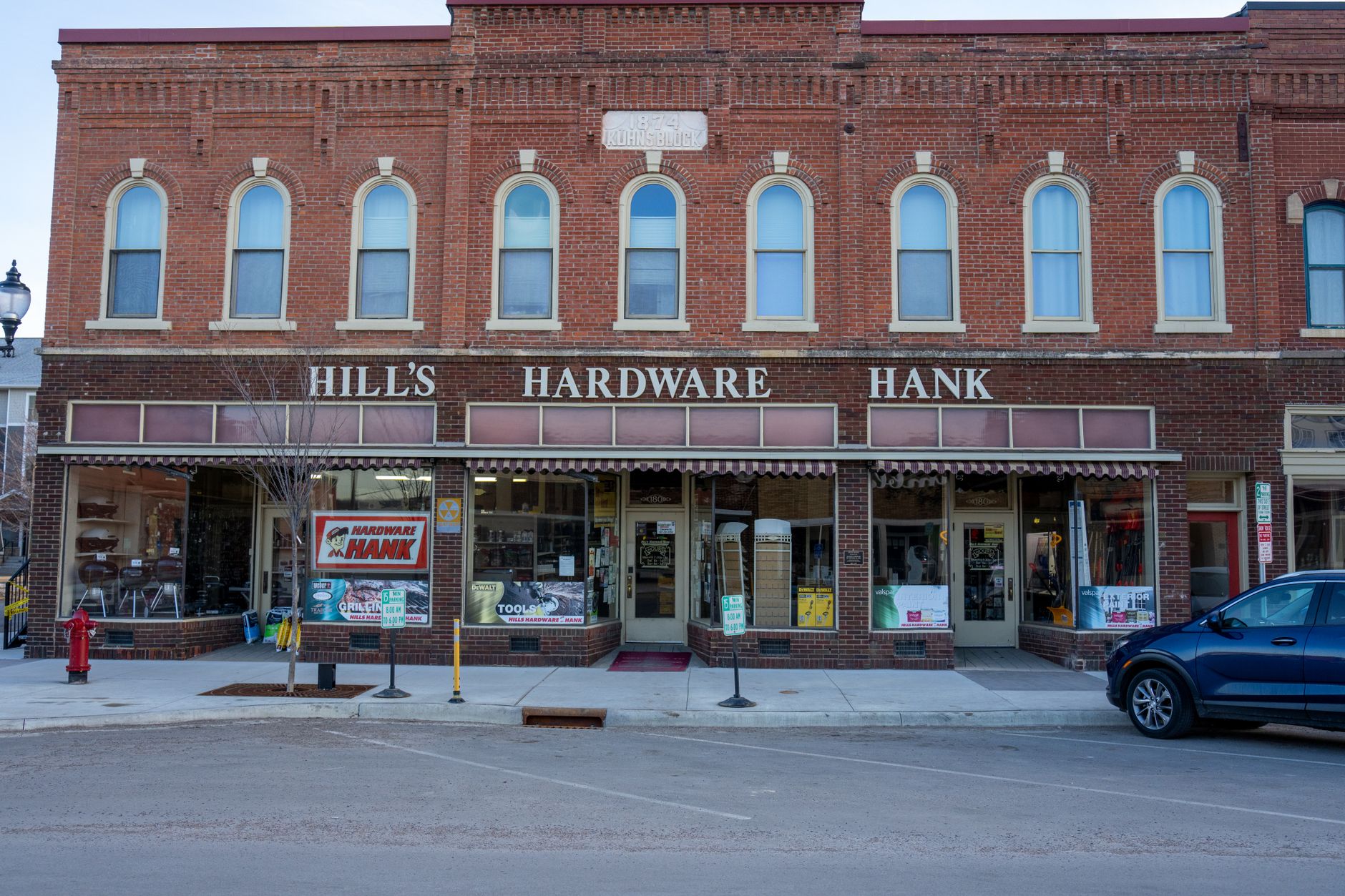
My father used to say the store wasn’t really about hammers and hinges. He said it was about being the one place in Fairbury where a person could walk in needing something and walk out with it fixed, no lecture, no judgment, just the right part and somebody who cared enough to find it. He taught me how to cut keys before I was tall enough to see over the counter. He taught me how to read a credit report before I could legally sign my own name to one. When the cancer finally took him, two Octobers ago, I was the one who sat with him through the overnight shifts at the hospice in Dayton, the one who learned to work the morphine pump, the one who promised him, the week before he died, that I would keep the lights on at the store no matter what. My mother visited twice that whole month. Emily sent a card. I never once held either of those things against them out loud, because I believed, the way you believe things about people you love without ever checking, that everyone grieves differently, and that showing up quietly was still a kind of showing up.
I had always assumed my father put that clause in to protect me, to make sure I grew into the responsibility slowly instead of inheriting everything at once and panicking. I had never once considered that the same clause, read a different way, was a door that stayed open only as long as I stayed incapable of walking through it myself.
Incapacity.
I lay in that hospital bed and felt something cold settle into my chest that had nothing to do with the IV drip.
If I never fully recovered. If I stayed confused, weak, unable to manage my own affairs past my birthday, the trust stayed under my mother’s control indefinitely. The store. The land under it, worth more to a developer now than it ever was selling hammers and screen doors. The money my father worked forty-one years to leave to the daughter who never once asked him for a dime.
I had spent my whole life being the one who carried things so everyone else could be rescued.
Emily got praised for every small kindness because nobody expected much from her. I got nothing for the hard things because everyone assumed I would simply do them. Emily was forgiven for every mess. I was handed the mop.
And now, lying there with a needle in my arm and a stranger’s blood count on a chart, I understood something far darker than neglect.
I stopped showing what I knew.
When the discharge day came, I let my hands shake a little more than they needed to. I let my words come out slow and soft, like my mind hadn’t fully cleared the fog. I let my eyes drift past people instead of locking onto them, the way you do when you’re still half underwater.