The Gold Bracelets My Mother Wore
That was the moment I understood the chair in the corner had been empty on purpose.
Dr. Hale clicked my scan up on the wall monitor and explained, slower this time, like she wanted it to land on every person in the room and not just me. Repeated exposure. A pattern, not an accident. Someone with regular access to my home.
My mother went very still.
Emily stopped scrolling.
For the first time in my entire life, the two women who always had something ready to say about everything stood there with nothing at all.
Later that evening, after my mother and Emily had gone, my brother-in-law Paul came by alone. Paul is Emily’s husband, a quiet man who sells crop insurance out of an office two doors down from my store, the kind of man who still opens the car door for his wife out of habit nobody asked him to keep. He looked pale, and he sat in that same empty chair and turned his wedding ring around and around his finger like he was trying to loosen something stuck.
“Katie,” he said finally, not looking at me. “Did you ever give Emily money? Before you got sick. A loan, anything like that.”
“No,” I said. “Why?”
He exhaled like he’d been holding it since he walked in. “There was a big payment that came out of your dad’s trust account right around the time you went into the hospital. I only know because I handle our taxes and I saw the transfer on a statement that came to our house by mistake. Emily told me it was handled. Your mom called it family business.”
Family business.
That phrase again. That was always the phrase they used when they wanted me quiet. When my father died two years ago, “family business” was why I wasn’t in the first meeting with the estate lawyer, even though I was the one who had run his store at his side for six years and knew every account better than either of them. When Emily needed a down payment on her house, “family business” was why nobody asked me first whether I minded my inheritance shrinking to cover it. I always said yes anyway, because I loved my family more than I loved being right, and because my father raised me to believe that showing up for people was never supposed to be a transaction.
I started doing the math I didn’t want to do.
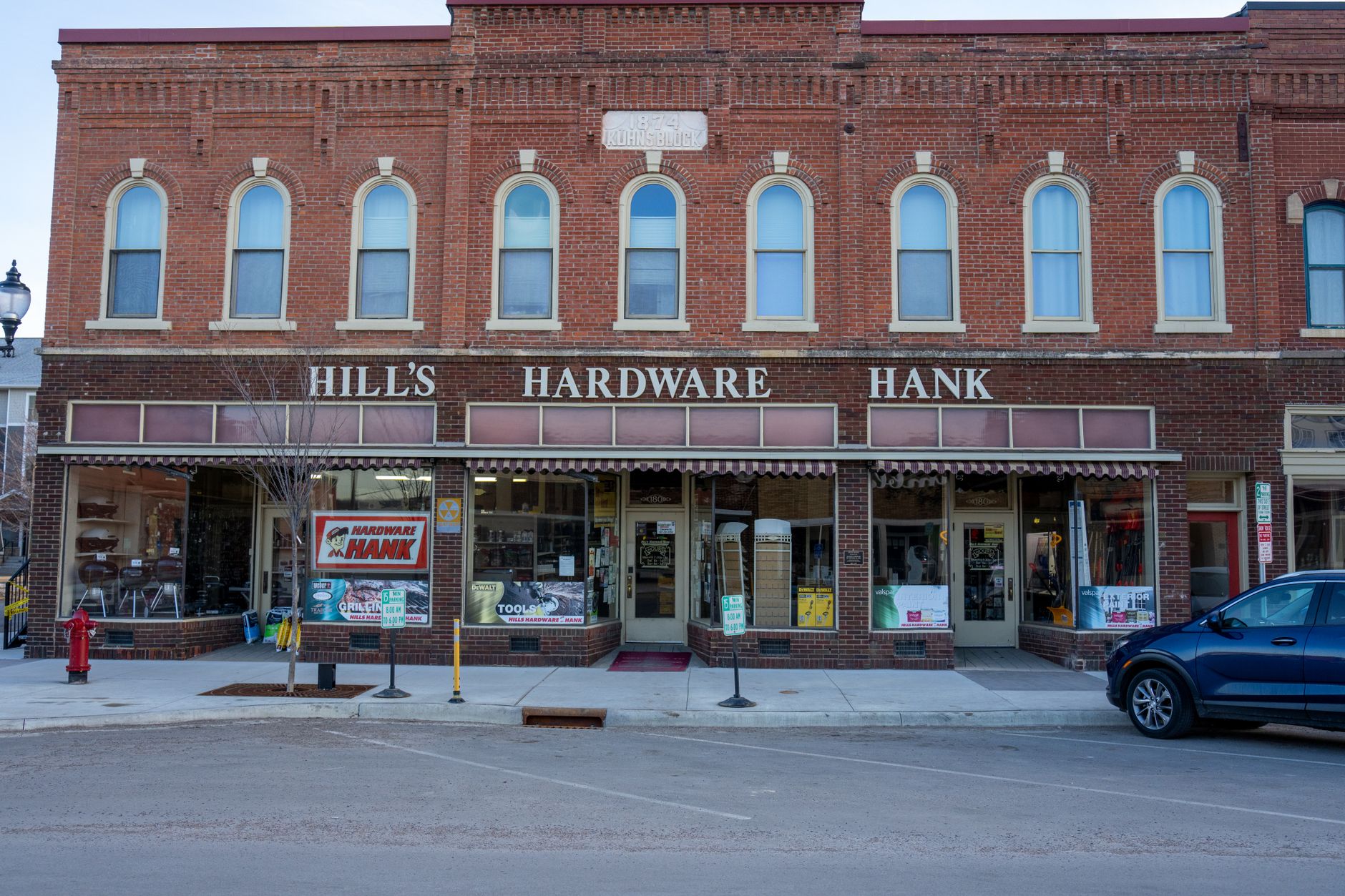
My father, Wes, built that hardware store with his own two hands the summer he turned twenty-three, and he ran it for forty-one years until the cancer took him faster than any of us were ready for. In his will, he set up a trust to be split between my mother, Emily, and me, but he put one condition on my share that nobody else’s had: the full value of my piece, including the store building itself, didn’t fully vest to me alone until I turned twenty-nine. Before that, my mother sat as co-trustee with the estate attorney, Mr. Norris, able to authorize distributions “in the event of incapacity or hardship.”