The Gold Bracelets My Mother Wore
The first thing I saw when I opened my eyes was an empty vinyl chair.
No coat draped over the arm. No paper coffee cup sweating a ring onto the windowsill. No crossword folded open to the half finished puzzle my mother always worked on when she was pretending not to worry. Just one clean chair in the corner of a quiet room at Fairbury Memorial, like nobody had ever sat in it waiting for me at all.
Sunlight came through the blinds in thin white bars. Somewhere down the hall a cart wheel squeaked, over and over, the same small sound I would hear in my sleep for weeks afterward. My throat felt like I had swallowed sand. My own hands, resting on top of the blanket, looked thinner than I remembered, the knuckles too big for the fingers.
A nurse came in smiling the careful way nurses smile when they are trying not to make things worse.
“There you are, Katie,” she said, like I had wandered off somewhere instead of nearly dying. “You’ve been with us three weeks.”
Three weeks.
I tried to say something and nothing came out right. My tongue felt like it belonged to someone else.
“My mom,” I finally managed. “My sister. Are they outside?”
The nurse looked down at her clipboard a half second too long before she answered, and that half second told me everything her mouth was about to soften.
“Your sister Emily came by the first night,” she said. “We have your mother’s number on file. We’ve left messages.”
Messages. Not visits. Messages.
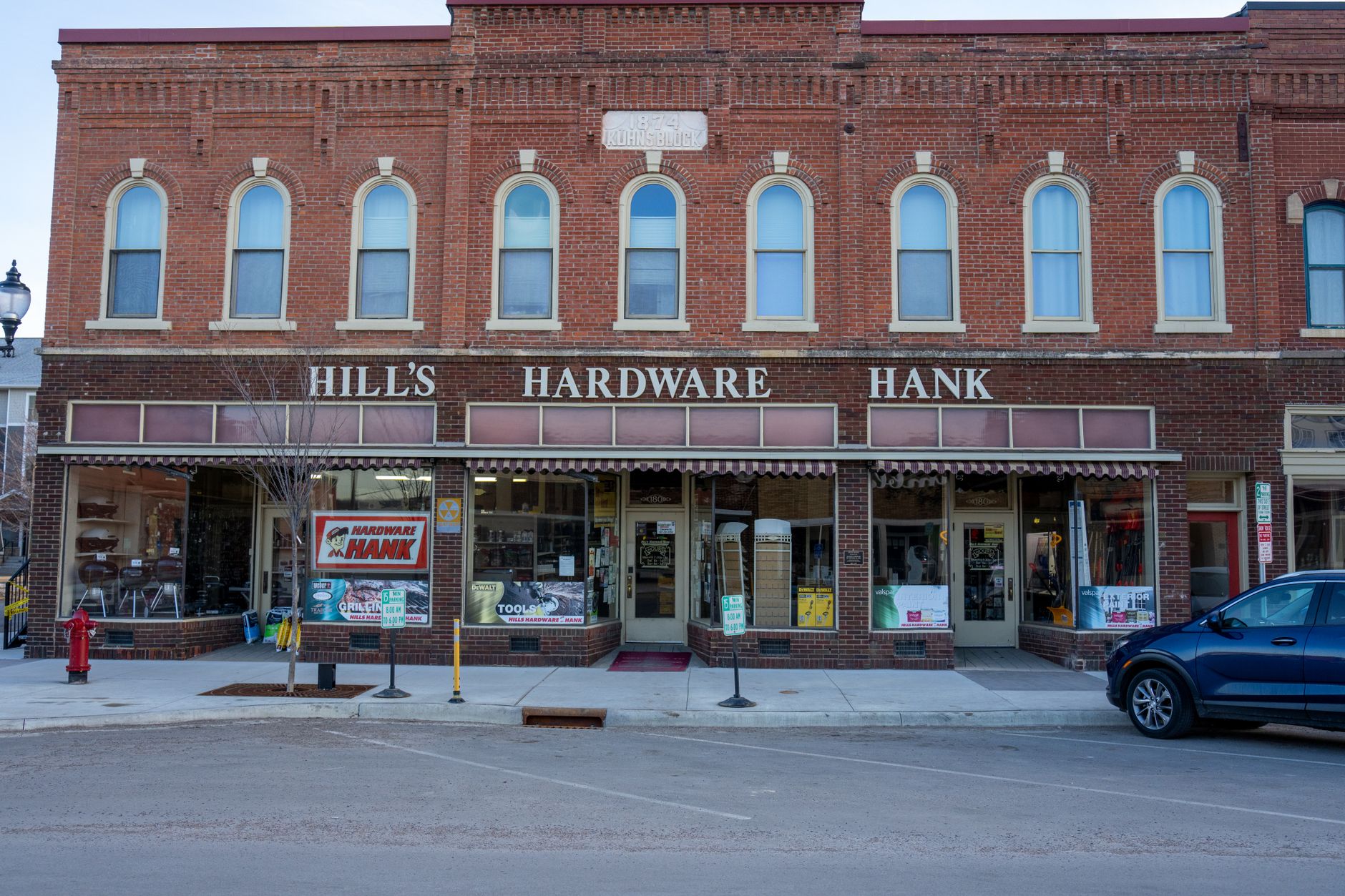
I am twenty-eight years old, and I run the hardware store on Main Street that my father built from nothing, and in twenty-eight years I had never once needed anyone to explain to me what it meant when my own family left messages instead of showing up. I had spent my whole life being the one who showed up. I was the one who closed out the register on Christmas Eve so the part-timers could get home to their kids. I was the one who drove forty minutes each way to sit with my father in his last months while my sister Emily sent flowers from an app on her phone. I drove the same ten-year-old Corolla for six years so I could put money into savings instead of a car payment, while Emily leased a new SUV every two years and called it “investing in herself.”
I was the responsible one.
Responsible people do not get to fall apart. I had learned that early. So when the nurse told me my family had sent messages, some old, tired part of me still tried to find the kind read on it. Maybe they were scared. Maybe nobody wanted to say it out loud in a hallway. Maybe, maybe, maybe.
Then Dr. Morgan Hale walked in, and she was not smiling at all.