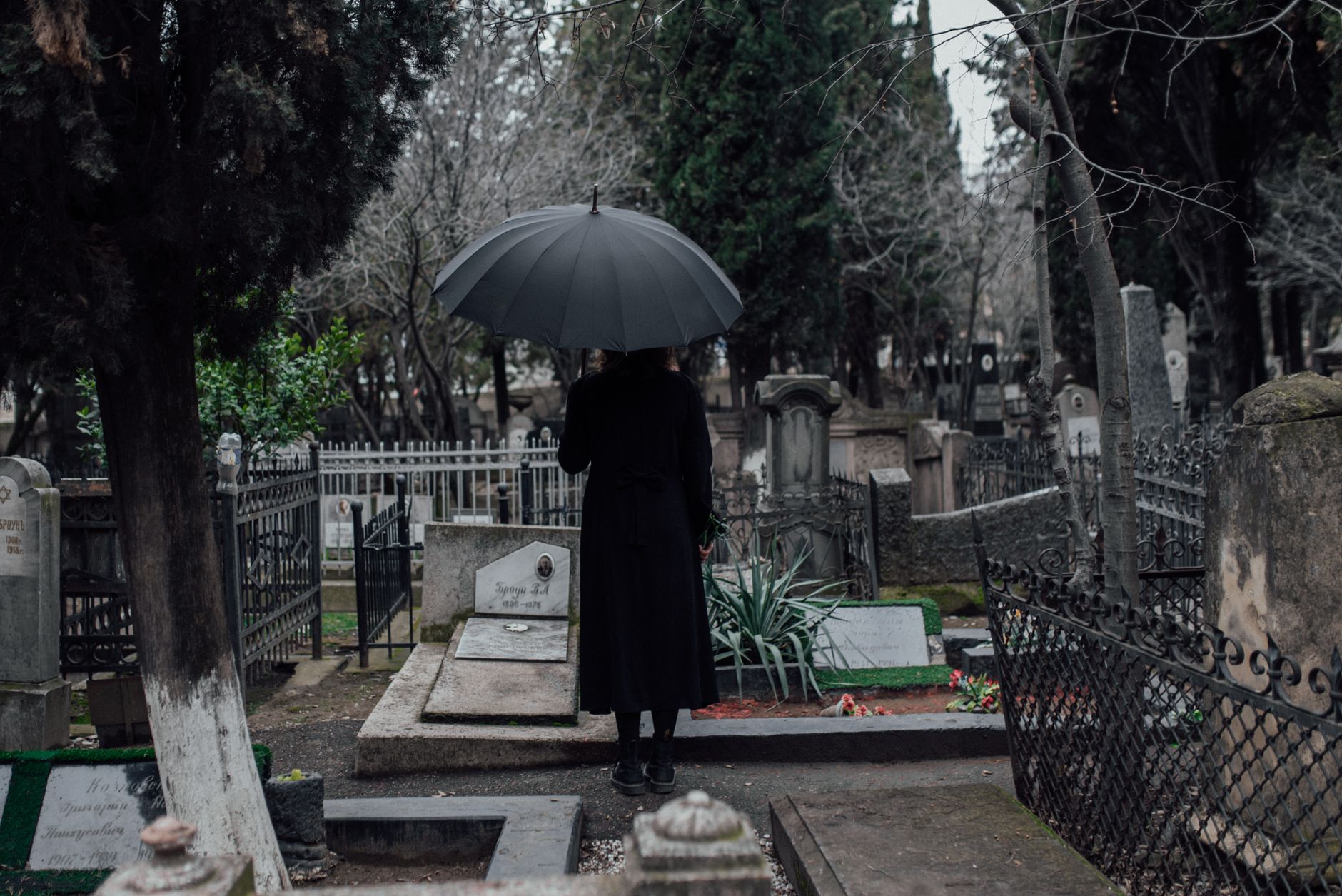
The Funeral Where My Water Broke
I had my reasons. Six weeks earlier, over a dinner I had attended alone because Josh was working late, Sharon had asked me, apropos of nothing, whether we had discussed “which direction the pregnancy was headed,” by which she meant, with a delicacy that did not disguise the ugliness underneath it, whether I was carrying a boy, a Carrow heir to carry the family name and someday the store, or merely a girl, a word she managed to make sound like a consolation prize. I had gone home that night and cried in the bathroom with the fan running so Josh would not hear, and I had decided, quietly and without telling him either, that whatever I was carrying, I was not going to let Sharon Carrow treat it like inventory before it had even taken a breath. When the twins arrived, I decided, she would learn about them the way the rest of the town did. All at once, and from me, on my own terms.
I gave birth to a boy and a girl, six minutes apart, both of them small and furious and perfect, and I named them Josh had never gotten to help me choose, so I chose for both of us. I named my son Thomas, after my own father, and my daughter Louise, after Josh’s grandmother, a woman who had died when he was twelve and who he always said was the only Carrow who ever made him feel like himself instead of like an employee.
Twelve days passed. Twelve days of Carol bringing casseroles and diapers, of Denise checking in by phone because she had, in her words, grown fond of me in one very long night, of Hank Dolan stopping by once with a wooden cradle he had built himself out of cedar, saying only that he’d had the lumber sitting around and didn’t like to see good wood go to waste, though we both knew that was not really why he came.
It was on the twelfth day, a Thursday, that the doorbell rang.
I saw them on the little video monitor by my door before I opened it. Sharon in pearls and a soft pink blouse, her hair freshly set, holding a single teddy bear with the price tag still dangling from its ear, the twin of the one I had watched fall into the mud at the cemetery. Glen stood a step behind her, his reading glasses pushed up into his gray hair, holding nothing at all.
I understood, even before I opened the door, that something had changed in the last twelve days, because Sharon Carrow did not do anything, ever, without a reason that served Sharon Carrow. I would learn the reason within the hour. Hank Dolan, it turned out, was not a man who kept quiet about cruelty he had witnessed firsthand. He had told his wife what happened at the cemetery, and his wife had told the other women at her Tuesday quilting circle, and by the end of the following week the story of what Sharon Carrow said to her pregnant, newly widowed daughter in law at her own son’s graveside had made its way through every pew of the Methodist church and most of the stools at the diner on Main Street. Sharon had noticed the coldness at the spring garden tour planning meeting. She had noticed two of her oldest friends failing to return her calls. For a woman who had spent thirty years building her name into the most respected one in Fairhaven, that kind of quiet, collective turning away was its own kind of emergency, and Sharon Carrow, I would come to understand, reacted to social emergencies exactly the way she reacted to everything else. She managed them.