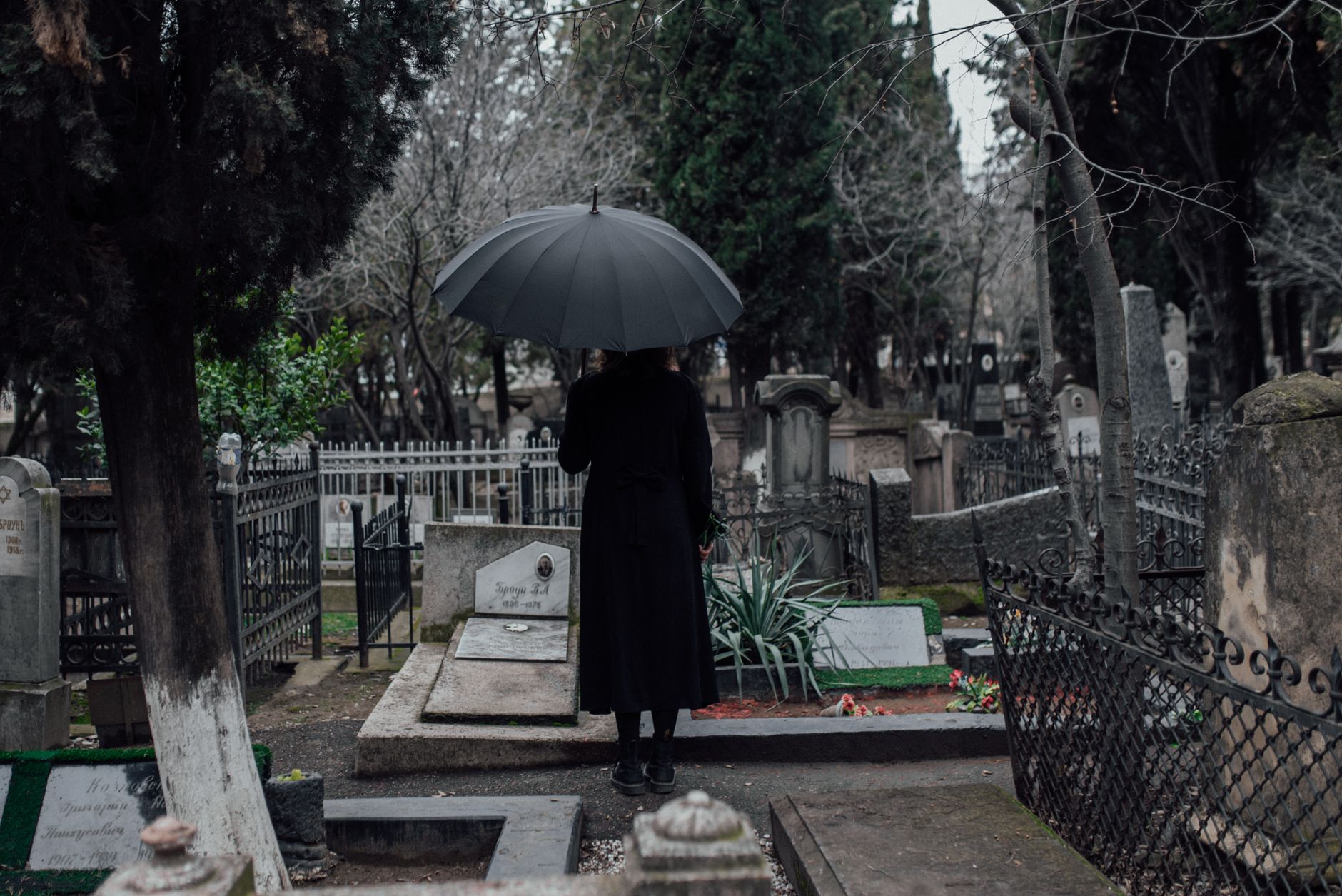
The Funeral Where My Water Broke
The rain over Fairhaven Memorial Gardens was the thin, patient kind that never quite turns into a downpour, just enough to make every umbrella on that hillside a small black island. I stood under mine with one hand on the cold brass rail of my husband’s casket, and I remember thinking, with the strange clarity grief sometimes hands you, that Josh would have hated this weather. He liked sun. He liked loading the delivery truck at six in the morning with the sky already pink over the grain elevators, whistling some country song under his breath while I brought him coffee in a travel mug he never once remembered to bring back inside.
Josh Carrow was thirty four years old when he died, and nine months and two days later I would give birth to our children without a single member of his family in the room.
I need to start at the grave, because that is where everything that matters in this story began, even though it took me twelve more days to understand what had actually happened to me in the rain that afternoon.
My name is Amanda. I was twenty nine the year I buried my husband, and if you had told me the week before that his own mother would watch me go into labor at his graveside and tell me to call a taxi, I would have said you did not know Sharon Carrow, and that you were wrong about her because of some grudge. I would have defended her. That is the part of this I am least proud of now, how long I spent defending people who had never once, in six years, defended me.
Josh and I met at a feed store counter, which sounds like something out of an old song, but that is exactly what happened. I was twenty three and teaching second grade in town, and I had driven out to the Carrow family’s hardware and feed store on County Road 9 because my car’s wiper blades had given out in a spring storm and a man at the gas station told me the Carrows carried everything. Josh rang me up himself, in a flannel shirt with sawdust on the forearms, and he talked me into a better wiper blade than the one I came in for because, he said, the cheap ones streak in low sun and he’d hate for me to drive home blind some evening. I married that kind of attention eighteen months later, in the Methodist church on Third Street, with his mother sitting in the front pew in a dress that cost more than my whole wedding budget, watching me walk down the aisle with an expression I mistook, for years, for simple reserve.
Sharon Carrow did not warm up to reserve. Sharon Carrow is cold the way a lake is cold in April, all the way down, no matter how the surface looks in a certain light.