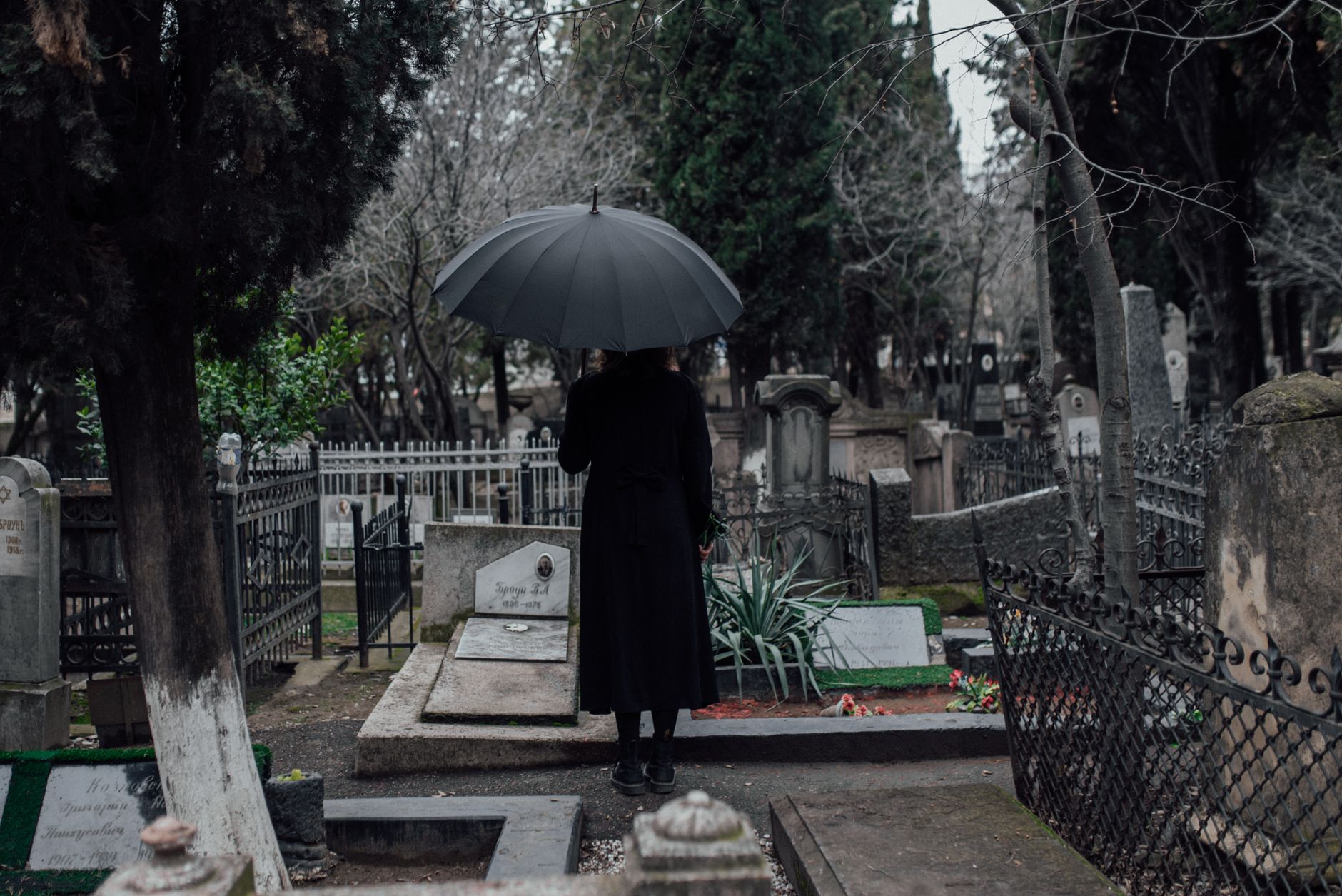
The Funeral Where My Water Broke
The Carrows run Carrow Hardware and Feed, the biggest operation of its kind in three counties, built by Josh’s grandfather and expanded by his father Glen into something that supplies half the farms and half the hobby gardens between here and the county line. It is the kind of family business that makes a family’s name mean something in a town of eleven thousand people, and Sharon had spent three decades making sure everyone in Fairhaven knew exactly whose name that was. She sat on the hospital auxiliary board. She chaired the spring garden tour. She was, by every outward measure, a pillar, and pillars, I have learned, do not bend for anyone, including the woman who married their only son.
From the day Josh brought me home for supper, Sharon asked me polite questions about my father’s job at the plant in a tone that made it clear she already knew the answer did not satisfy her. She corrected the way I held my fork at Easter, gently, the way you correct a child. When Josh and I got engaged, she took me to lunch alone and told me, over a salad she barely touched, that she hoped I understood what I was marrying into, and that a family like theirs required a certain amount of discretion from the people who joined it. I smiled and said of course, because I was twenty four and in love and did not yet understand that discretion, in Sharon’s mouth, meant knowing your place and staying in it.
Glen was different, or so I told myself for years. Glen Carrow is a tall, stooped man in his sixties with a quiet voice and reading glasses that live on a cord around his neck, and he always seemed, next to Sharon, like a man standing a few steps back from his own life. He complimented my classroom bulletin boards. He remembered my birthday most years. But I came to understand, slowly and then all at once on the worst day of my life, that Glen’s gentleness was not the same thing as Glen’s loyalty, and that when it mattered he would stand exactly where Sharon told him to stand.
Josh collapsed on a Tuesday morning in March, loading forty pound bags of garden soil onto a delivery truck outside the store, the same ritual he had performed a thousand mornings before. His heart, the doctor told me later, had a defect none of us knew about, the kind that can sit quiet for thirty four years and then simply stop asking permission. He was gone before the ambulance reached Fairhaven General. I was seven months pregnant, sitting in my classroom grading spelling tests, when the call came, and I do not remember the drive to the hospital at all. I remember only the hallway, and a doctor’s face, and the particular silence of a building where someone has just finished trying everything there is to try.