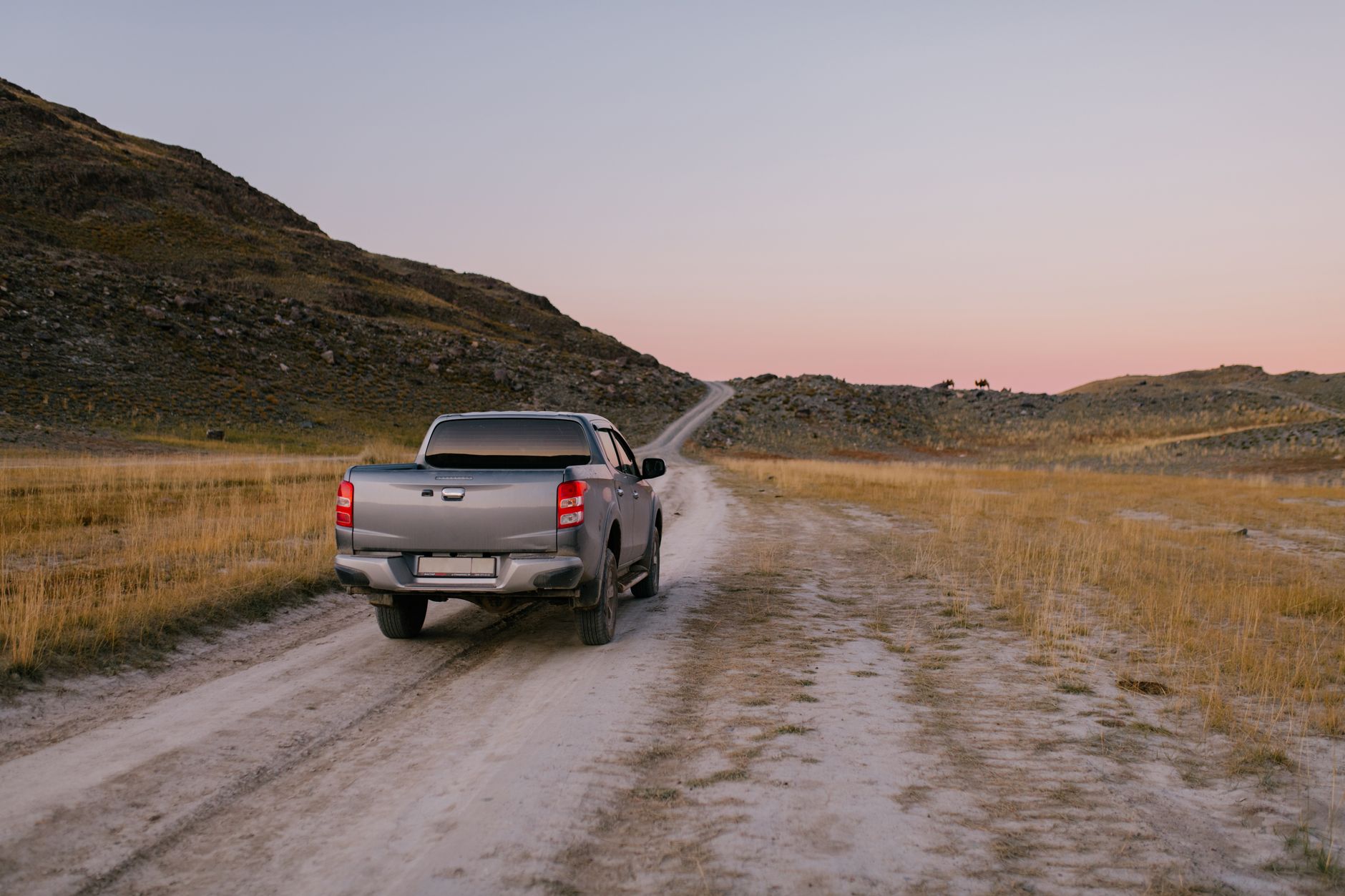
The Boy Who Fixed My Truck
And he turned and walked back the way he had come, up over the rise, the grocery sack held against him, and I sat in my truck with the cold air blowing and I could not for the life of me make myself put it in gear and drive off and leave him walking. So I did not. I rolled alongside him at a crawl and I said out my window, “Micah, at least let me carry you home. It’s a hundred degrees.”
He looked at me a long time, deciding, and then he got in, and he held that grocery sack on his lap the whole way, and he told me where to turn, and that was how I came to see where Micah lived, and how I came to learn what my town had decided about him, and how a good part of what I thought I knew about the people I had lived among my whole life turned out to be wrong.
He lived with his grandmother, out past the edge of Harmon on a rented place where the porch sagged at one corner and the yard was more dirt than grass but the dirt was raked, if you can picture that, raked in careful lines like somebody was making the best of what they had. His grandmother’s name was Ruth. She came out onto that porch when she heard the truck, a woman about my age or a little older, in a housedress, drying her hands on a towel, and I saw the fear go across her face when she saw a strange vehicle, and I saw it leave when Micah leaned out the window and said, “Grandma, she’s fine, her truck broke down and I fixed it.”
Ruth invited me in for water because that is what her raising told her to do even though I could see there was not much in that house to share. It was clean the way poor and proud is clean, everything wiped down and put in its place, and on the kitchen table there was a spread of the insides of a lawnmower engine, laid out on newspaper in an order that meant something, and a library book propped open beside it, small engines repair, with a bus schedule for a bookmark.
“He’s always taking something apart,” Ruth said, following my eyes, and there was a warning in her voice, a getting-ready, like she had had to defend this before. “He puts it all back. He never takes what isn’t his.”
“He fixed my truck like it was nothing,” I said. “He’s got a gift. You must be proud.”