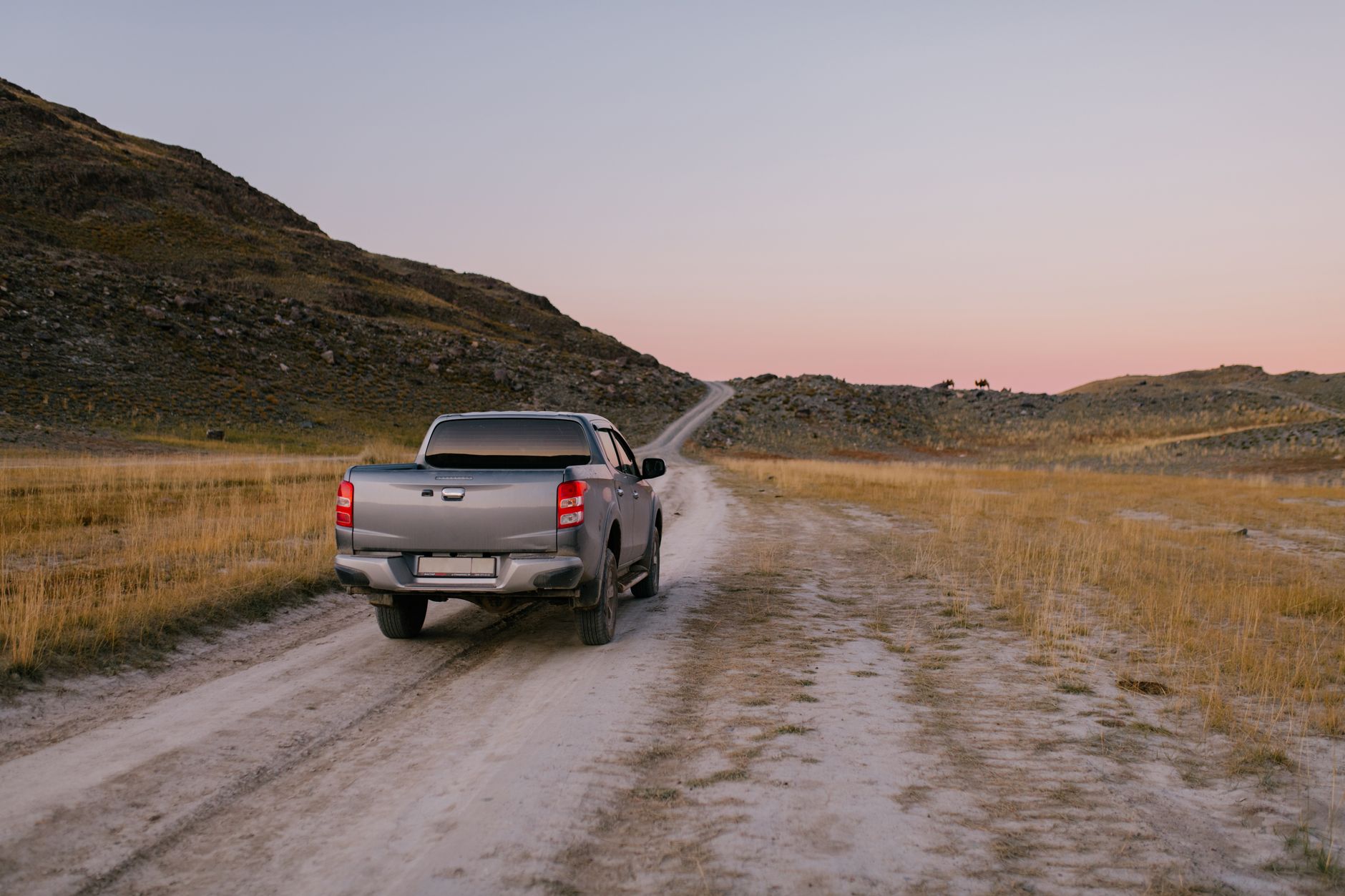
The Boy Who Fixed My Truck
The truck died on the Ferguson road two miles past the grain elevator, in the kind of July heat that makes the air over the gravel shimmer like water that is never actually there. One second the old engine was ticking along the way it always did, a little rough at the top of the hill, and the next second every warning light on the dash came on at once, the whole cluster glowing orange, and then nothing. No power. No radio. No air moving through the vents. Just the truck rolling to a slow stop on the shoulder while the dust I had kicked up caught up to me and settled over the windshield like a brown curtain.
I am Paula, and I was fifty-five years old that summer, and I had been driving those county roads two mornings a week for the better part of a decade, carrying foil trays of hot food to the shut-ins on our church’s meal route. It was quiet work and I liked it. Most of the people I brought lunch to lived at the ends of long lanes where the mailbox leaned and the dogs came out barking, and I had learned every dip and washboard stretch of gravel between Harmon and the county line. My late husband Sam had kept that truck running for twenty-two years by feel and by patience, and after he passed I kept it running out of stubbornness, because selling it felt like selling the last thing his hands had touched every weekend of our marriage.
So there I was, stalled on the Ferguson road with a bench seat full of cooling green beans and Salisbury steak, no bars on my phone, and a sun overhead that felt like it had a personal grudge. I popped the hood the way Sam had shown me a hundred times, and I stood there staring down at an engine I had watched him work on my whole adult life and still could not read, and I did the only thing I knew to do, which was nothing useful at all. I jiggled a cable. I checked that the battery posts were tight. I said a few words my mother would not have approved of. The engine sat there, dead and hot and completely uninterested in my opinion.
I want to tell you what that road looks like so you understand how alone I felt. On one side, corn just tall enough to hide a person. On the other side, a soybean field running flat to a tree line half a mile off. No houses in sight. No traffic. In an hour, maybe, somebody would come along, and maybe they would have a phone that worked out there, and maybe I would get a tow by supper. I remember leaning against the warm fender and thinking that the beans were going to spoil and that Mrs. Adler on the Kellerman place would go without her lunch, and feeling that particular small helplessness that comes from being a grown woman perfectly capable of most things and completely stopped by one thing.