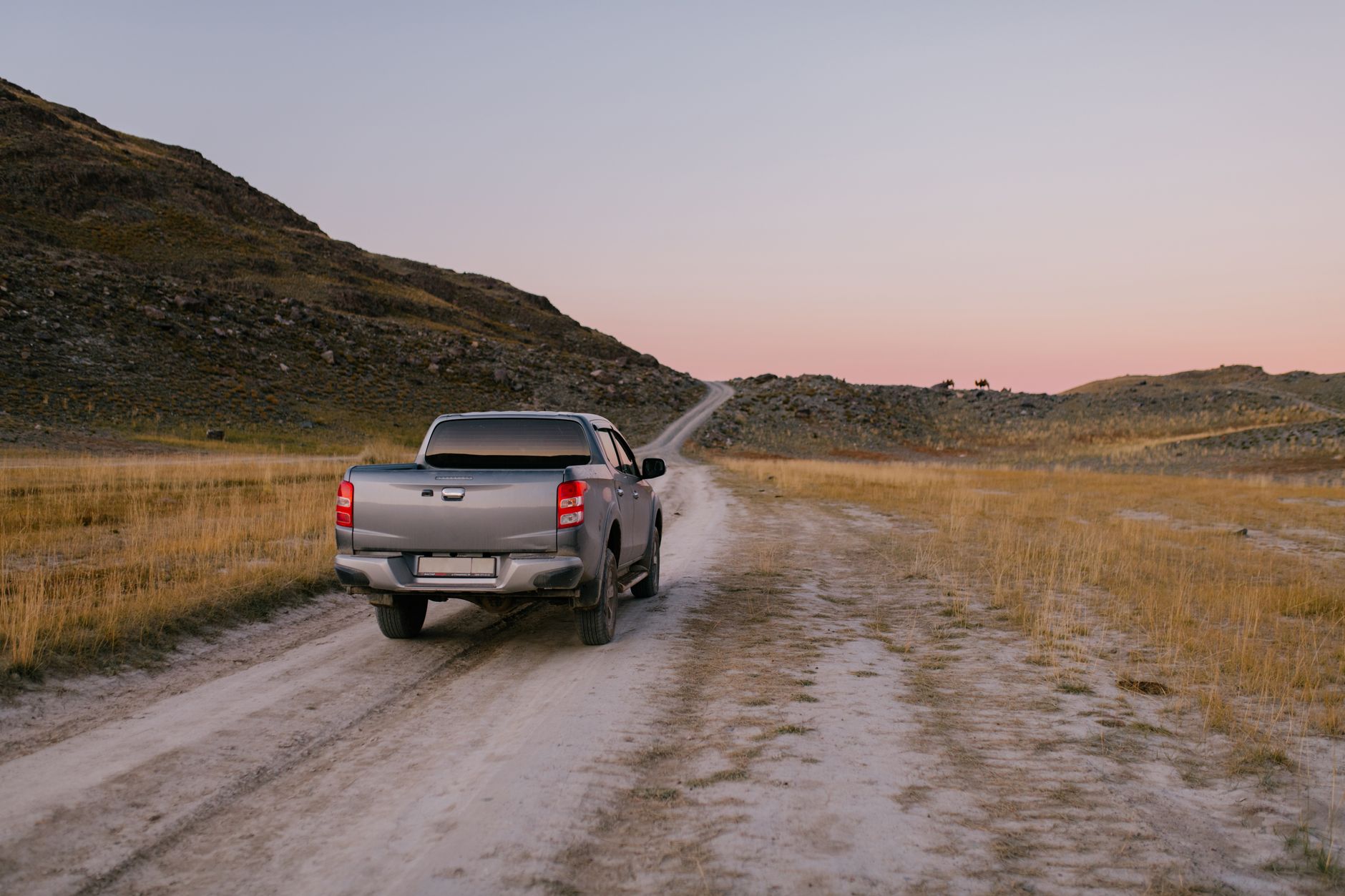
The Boy Who Fixed My Truck
I got in and turned the key with my heart going like a rabbit, and that old engine of Sam’s caught on the first crank and roared up strong, and the dash lit normal, and cold air, blessed cold air, came pouring out of the vents. I sat there for a second with my hands on the wheel and my eyes stinging, and it was not about the truck, or it was not only about the truck, it was about a boy walking up out of a heat mirage on an empty road and doing in eight minutes what I had been sure would cost me a tow and a hundred dollars and my whole afternoon.
I climbed back out. “You fixed it.”
“Bad ground and an old splice,” he said. “That’s all.”
“That’s all,” I repeated. “Micah, that is not all.”
I reached for my purse, and I want you to understand that I do not carry much cash, but I had been to the bank that morning, and I had five one hundred dollar bills folded in the zipper pocket because I was paying the propane man that week. I pulled out the whole fold and held it out to him.
He stepped back like I had swung at him.
“No, ma’am,” he said. “No.”
“Micah, you saved me half a day and a tow bill and probably my job at the church, take it.”
“No, ma’am.” He had his hands up now, and his face had closed. “I’ll take two dollars.”
“Two dollars.”
“For the tape and the wire. That’s what it cost.”
I looked at that thin boy in his worn-out shirt standing on a scorching road refusing five hundred dollars, and I did not understand it, and I said so. “Honey, why on earth two dollars?”
“Because that’s what it cost,” he said, like it was the most obvious thing in the world. “You don’t charge somebody for a fix. You charge them for the parts.”
I have thought about that sentence more times than I can count. I put the hundreds away because I could see it shamed him to look at them, and I found two crumpled ones in the front of my wallet and put them in his palm, and he closed his fist around them so gentle, like they were something breakable, and it was in that second, when his hand opened and closed over those two soft dollar bills, that I looked down and saw what was in his grocery sack.
A loaf of the cheap white bread. A can of store-brand beans. And a little white pharmacy bag, folded over, with a paper receipt stapled to it that had a line circled in red pen, and above the circle, in the block letters they use, two words I have not been able to forget. PAST DUE. And under that, FINAL NOTICE.
He saw me see it. He picked the sack up quick and held it against his chest, and something went across his face, not shame exactly, more like a door closing, and he said, “I better get on. Thank you, ma’am. Your truck’ll be fine now. Keep an eye on that ground next winter.”