The Account My Grandfather Asked About
The Dinner, In Full
I have to go back to that table now and give you the rest of it, because the part I told first is only the opening of it.
After my grandfather asked his question a second time, my father set down his fork very carefully, the way a man sets something down when his hands do not feel steady enough to be trusted with anything sharper.
“Dad,” he said. “Can we not do this in front of everybody.”
My grandfather turned his head, slow, and looked at my father for the first time since he had started speaking. “I’m not doing anything, Evan. I asked a question. Your wife is the one who hasn’t answered it.”
My mother’s mouth opened and closed twice before anything came out of it. “It isn’t as simple as you’re making it sound.”
“Then make it complicated for me,” my grandfather said. “I’ve got time.”
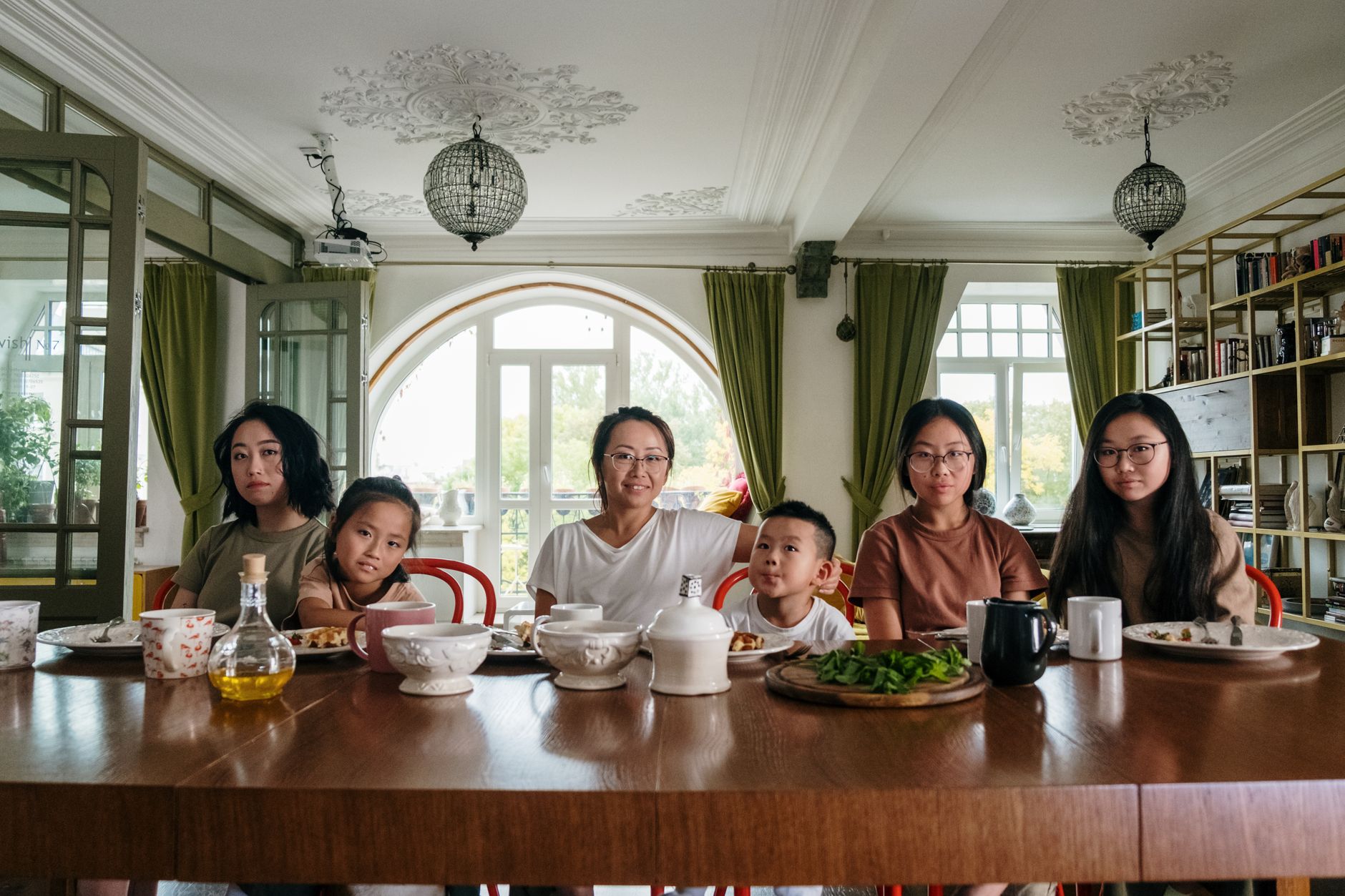
Our son, four years old and blessedly unaware of what was happening around him, asked if he could have more roll. My husband broke off a piece and handed it to him without a word, his eyes never leaving my mother’s face.
I sat there and watched my mother, a woman who had held my hand through more hard years than I could count, try three separate times to start a sentence and fail three separate times to finish it. And somewhere in the second or third attempt, I understood something I had never once considered in thirty two years of loving her.
She was not confused. She was not caught off guard by an unfair question sprung on her without warning. She knew exactly what my grandfather was asking, and she had known, I understood now with a kind of falling sensation, for a very long time.
Nobody at that table said it was a misunderstanding. Nobody said there had to be some mix up at the credit union, some clerical error, some other Caroline with a similar name. If it had been any of those things, someone, anyone, would have said so immediately and with relief. Instead there was only the water spreading slowly across the tablecloth, and my mother’s hands twisting the corner of her napkin into something small and tight.
That is how I knew. Not from a folder. Not from a document. From the specific, unmistakable shape of a silence that only happens when everyone in the room already knows the answer and is waiting to see who has to be the one to say it.
What Nobody Said
My grandfather did not raise his voice once. He did not need to. He let the quiet stretch until it became its own kind of statement, longer than any accusation could have been, and when he finally spoke again it was almost gentle.
“I’m not asking to punish anyone,” he said. “I’m asking because my granddaughter took out loans two hours north of here that she is still paying on, and I would like to understand how that happened when there was money sitting with her name on it the whole time.”
My father put his head down. Not dramatically. Just lowered it, the posture of a man who has decided, in real time, which side of a line he is going to stand on, and does not like where he has landed.
“I didn’t know all of it,” he said quietly. To me, not to my grandfather. “I want you to know that. I knew some. I let myself not ask about the rest.”
I believed him, and I did not forgive him, and I have found that both of those things can sit in a person at the same time without cancelling each other out.
My mother finally spoke, her voice cracking in a way I had heard maybe twice before in my life, both times at funerals. “I was going to tell you. I kept telling myself there would be a right time.”
“There were twenty six of them,” my grandfather said. “Twenty six right times, Carlene. One for every year.”