The Account My Grandfather Asked About
What I Kept
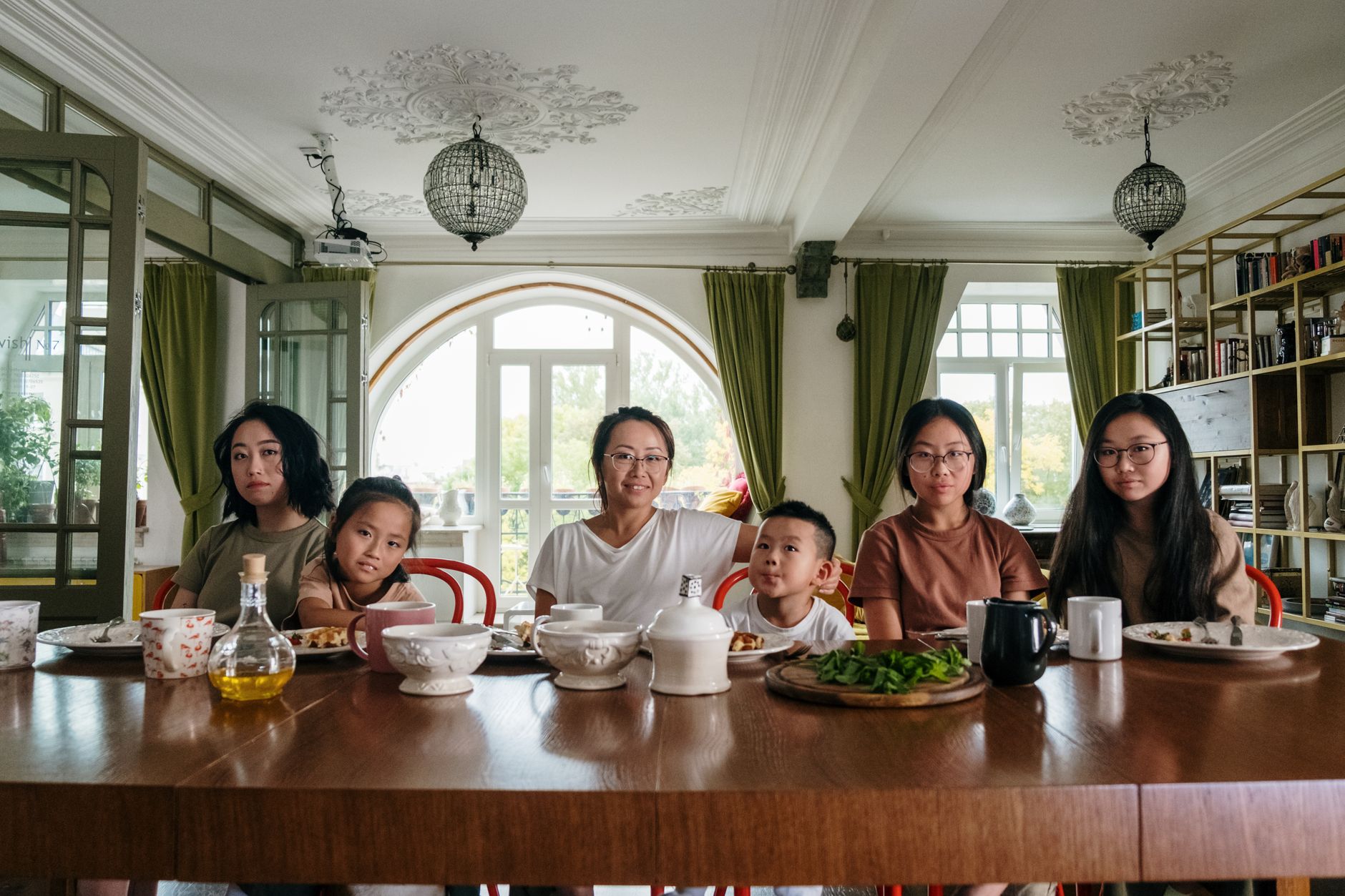
I think about my grandfather’s question more than I expected to, the plain, unhurried way he asked it, no folder, no lawyer, no proof laid across the tablecloth, just one man who had kept his word for thirty two years asking why the people he trusted had not kept theirs. I have come to believe that question did more that night than any document ever could have, because a document only tells you what happened. His question made everyone at that table say, out loud or through their silence, what they had already known and agreed never to mention.
I still love my mother. I want to be honest about that, because it would be easier to write this as a story where I don’t, and it would not be true. I have simply stopped believing, the easy way I used to, every single word that comes across our kitchen table. Some things you cannot unlearn once you have learned them, and I do not think I would choose to unlearn this one even if I could.
My grandfather still eats Sunday dinner at that same table every week, in the same chair by the window where he can see his truck. He does not bring the account up again. He never needed to say it twice to make it real. He said it once, in front of everyone who mattered, and let the silence that followed do the rest of the work for him.
I keep the index cards by the stove. I keep the envelope my mother leaves on the first of every month, uncashed for a week at a time sometimes, just sitting on the counter, because I am still deciding what it means to accept it. And I keep the plain fact my grandfather taught me without ever meaning to teach it at all: that the truth does not always need a briefcase or a filing or a stranger in a suit to come out. Sometimes it only needs one person willing to ask the same question twice, out loud, at a table full of people who already know the answer, and the patience to wait as long as it takes for somebody to finally say it.
This story is a dramatization. Names, characters, and details are invented, and any resemblance to real people or events is coincidental.