The Pews My Parents Never Filled
What The Valley Remembered
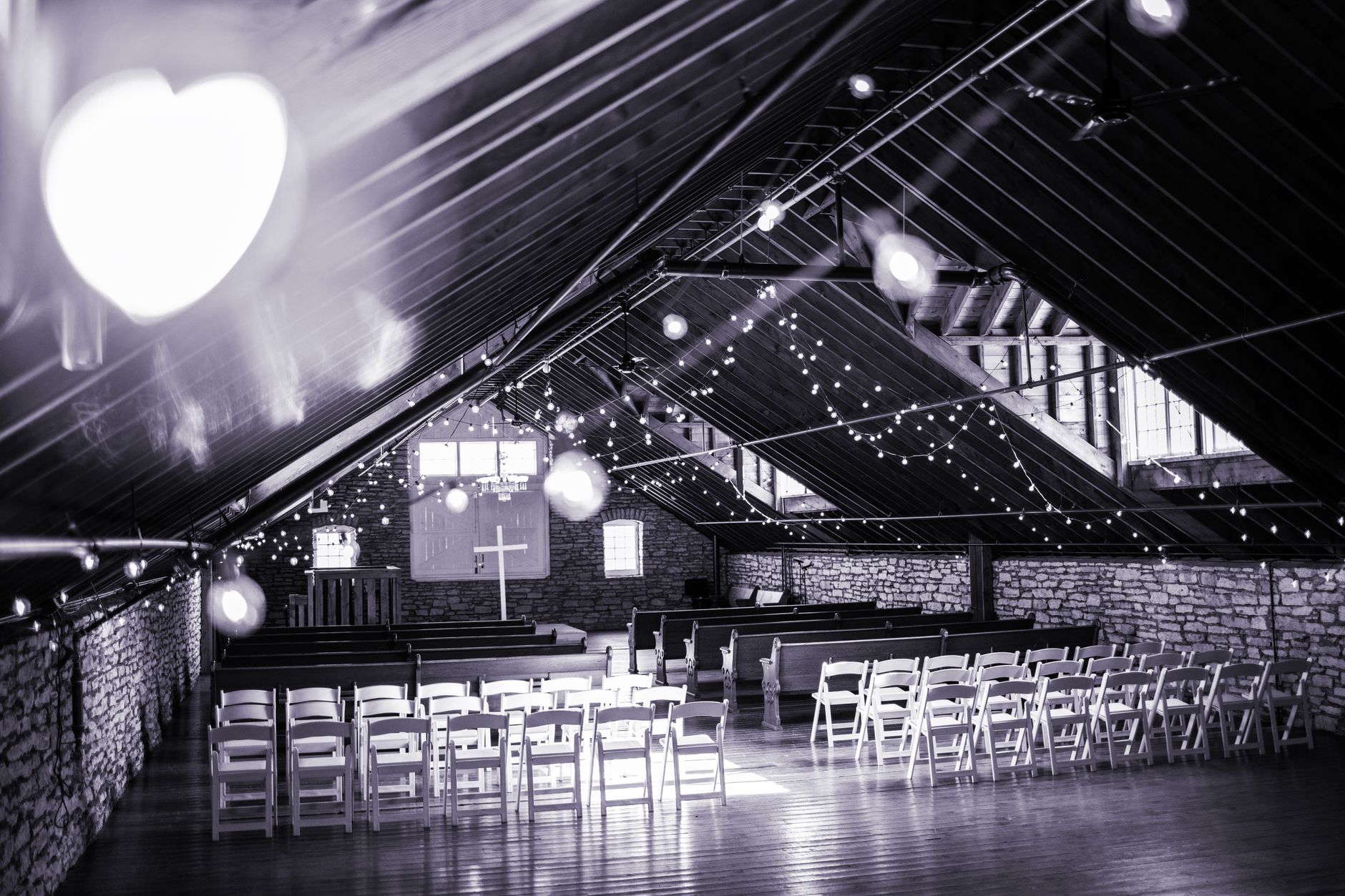
We decided to keep going with the wedding, smaller than we’d planned, and simpler. We picked the little country church on the edge of Millbrook, the one with the crooked steeple and the gravel parking lot that floods every November, the same church where I’d been confirmed at twelve in an itchy white dress my mother had picked out without asking me.
Word travels fast in a town this size, and it turns out I had built up more goodwill over eleven years than I ever kept track of. The Pattersons, whose heifer I’d pulled through a bad breech birth on a Thanksgiving morning for almost nothing, offered their barn for the rehearsal dinner. The woman who runs the feed store on Main Street sent over three cases of mason jars for the centerpieces before I’d even asked for help. The high school football coach, whose family dog I’d operated on twice, said his whole coaching staff would come stand wherever we needed extra hands.
I hadn’t done any of it for credit. That was never the point of a farm call at midnight. But it turns out a decade of quiet ordinary kindness doesn’t disappear just because nobody was keeping score. It waits. And when you finally need it, it shows up at your door with a truck full of folding chairs.
The Ice Storm
If I had to point to one winter that explains why that church filled itself the way it did, it would be the ice storm three years earlier, the one that knocked out power across half the valley for six straight days and turned every gravel road into a sheet of glass.
Elliot was out in it the whole time, working eighteen hour shifts with his crew to get lines back up before pipes froze solid in people’s houses. I was out in it too, sliding my truck sideways down driveways I normally could have driven blind, because ice storms don’t pause a calving season and half my clients had no generator and no way to keep a barn warm enough for a newborn calf to survive the night.
I remember the Pattersons’ place most clearly, because their barn heater had failed at the worst possible hour and their heifer was down and struggling, and by the time I got there the temperature inside that barn wasn’t much better than the temperature outside it. We worked for four hours by lantern light, Mr. Patterson holding a tarp over both of us to keep the worst of the sleet off, his wife boiling water on a propane stove just to have something warm to pour over my hands between checks. When the calf finally came, wet and shaking and alive, none of us said much. We just stood there in the cold, breathing hard, grateful in the specific wordless way people get when something almost went wrong and didn’t.