The Pews My Parents Never Filled
What I Know Now
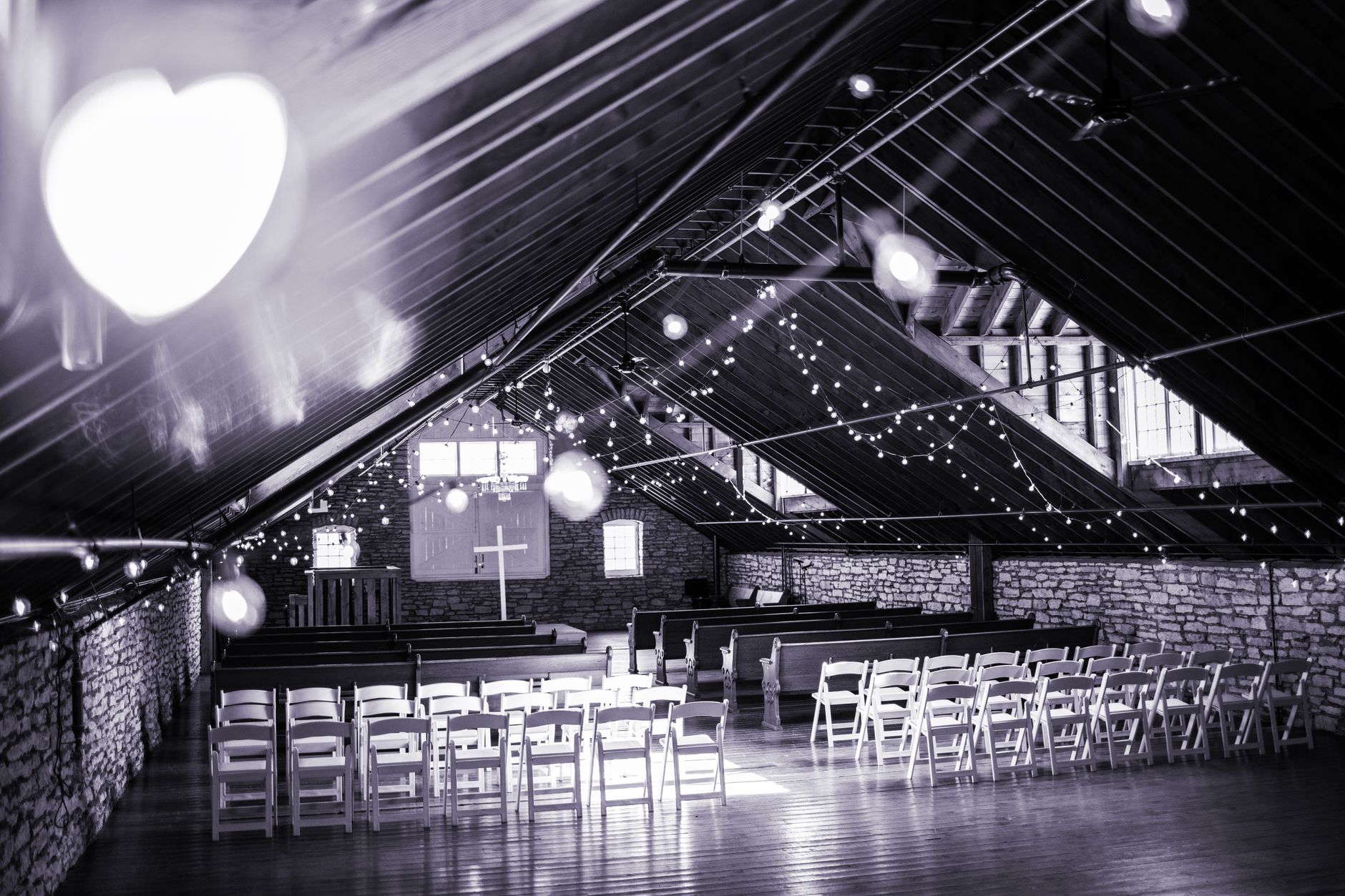
People keep asking me if I regret leaving that side of the church empty on purpose, holding the ribbons and the folded programs for parents who might not come. I don’t. I think I needed to see it empty before I could understand what filled it.
I spent thirty two years believing that family was something you were assigned at birth, a fixed roster you didn’t get to edit no matter how the roster treated you. I don’t believe that anymore. I watched an entire side of a small country church fill itself, without an invitation, without a program, without anyone keeping score, because eleven years of quiet farm calls and midnight barns had built something my own parents never noticed and never valued.
My mother mailed me six words in pencil, meant to make me small enough to stay in the place she’d always kept me. Instead I stood at the front of a church that was fuller on my side than it had any right to be, and I watched her discover, in front of the whole town, that the family she thought she still controlled had already decided, quietly, a long time before that morning, who its real members were.
I still live in Millbrook. I still drive the back roads at two in the morning when somebody’s animal needs me. Elliot still climbs poles in weather that would keep sensible people indoors. Bonita still shows up at my door some weeks with a pot of something hot, no warning, no invitation required.
And every August, at the county fair, I sit exactly where I want to sit, in whatever seat I choose, with the people who have already proven, more than once, that they’ll save me one.
Some weeks I still catch myself waiting for the phone to ring with an apology that never quite arrives in the shape I’d want it. I’ve made my peace with that too. I don’t think my parents will ever fully understand what happened in that church on my wedding day, because understanding it would require them to admit they’d spent thirty two years underestimating the daughter they mailed six words to in pencil. That kind of admission asks more of a person than pride usually allows.
I don’t need them to understand it, in the end. I only needed to walk down that aisle myself, once, and watch the empty half of a small country church fill itself with people who had never once made me feel like an afterthought. Everything after that has just been living in the answer.
This story is a dramatization. Names, characters, and details are invented, and any resemblance to real people or events is coincidental.