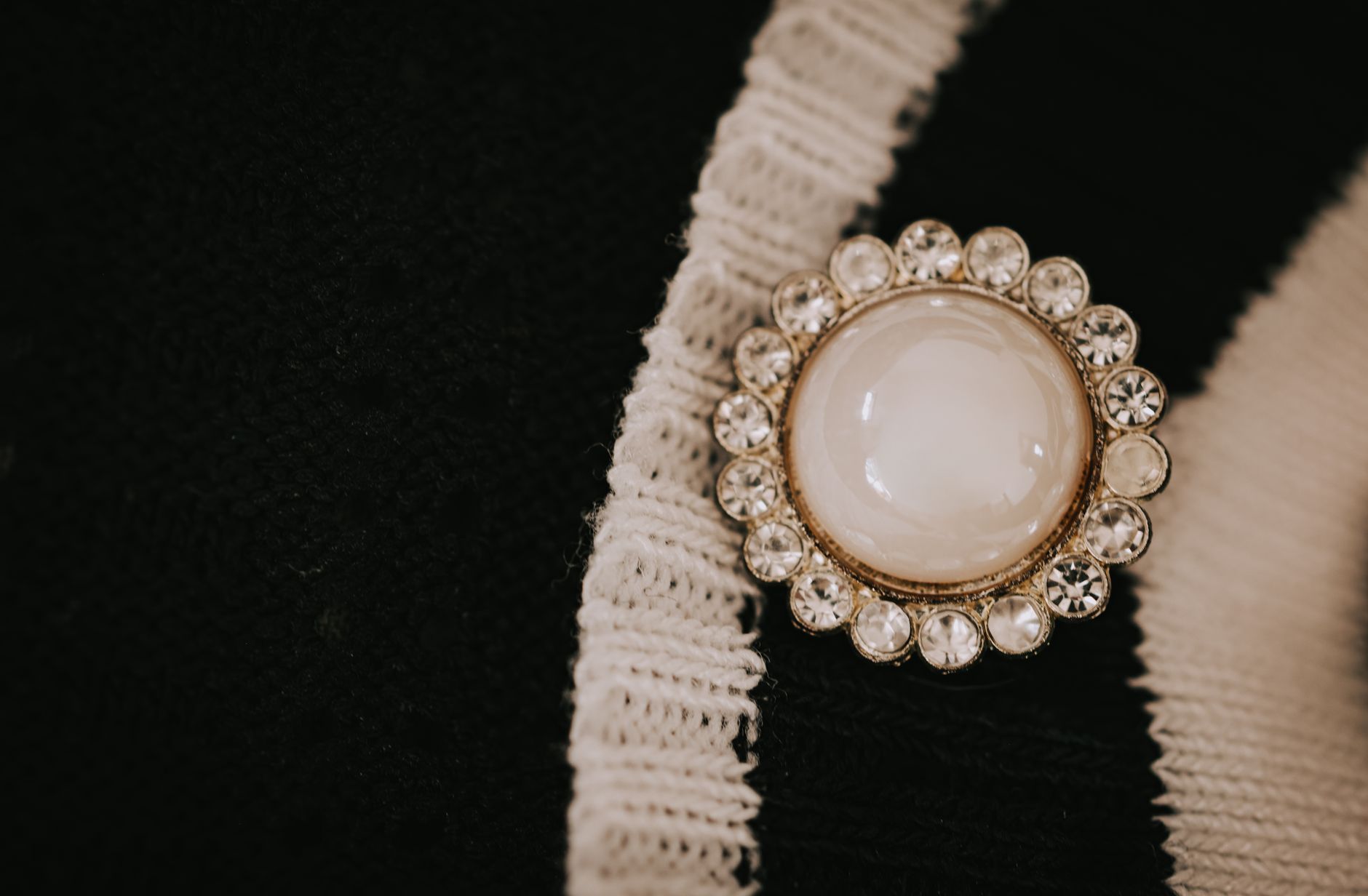
The Brooch That Named The Thief
Finding Mrs. Odell
I drove to the diner two counties over on a Thursday, the kind of overcast day that never quite decides whether it’s going to rain. I’d gotten the town’s name from a woman at our church who still traded Christmas cards with Mrs. Odell every year without telling anybody, out of what she later admitted was a quiet guilt she’d carried the whole time too.
Mrs. Odell was behind the register when I walked in, older than the picture in my memory, her hair gone fully silver, a name tag pinned crooked to her uniform. She recognized me before I said a word, and I watched something in her face brace itself, the way a person braces when they assume more trouble has finally caught up to them after years of thinking it might.
“Mrs. Harmon,” she said, careful, the same careful tone Mr. Solis had used on the phone.
I didn’t know how to start, so I just laid the two photographs on the counter between us, the way Mr. Solis had laid them for me. I told her everything, the phone call, the studio, Mr. Halloran’s ledger, all of it, without stopping to soften a single part of it.
She was quiet for a long moment. Then she said, “Billie, I used to tell myself it didn’t matter anymore. That I’d built a life here, that Pruett was a long time ago.” She’d called me by my first name since I was a girl trailing after my mother, and hearing it now, after everything, nearly undid me more than anything else she said that afternoon. Her hands, wiping the counter out of old habit while she talked, weren’t quite steady. “It mattered. It mattered every single day for a long while.”
She told me things I hadn’t known, because we’d never once asked. That she lost her apartment within four months of losing her jobs, because a landlord who’d heard the whispers decided he’d rather not renew her lease. That she’d applied for three other housekeeping positions in the county before she gave up trying and left altogether, each time watching a family’s face change the moment they placed her name. That the hardest part hadn’t been the money, though the money had been hard enough, it had been standing in the grocery store aisle in Pruett and watching women she’d known her whole life find something urgent to look at on a shelf rather than say hello.
“I never took anything from your mother,” she said. “I loved that woman. I sat with her through nights none of you were there for, if you don’t mind me saying so.”
“I don’t mind you saying so,” I told her. “It’s true, and it’s past time somebody said it back to you.”