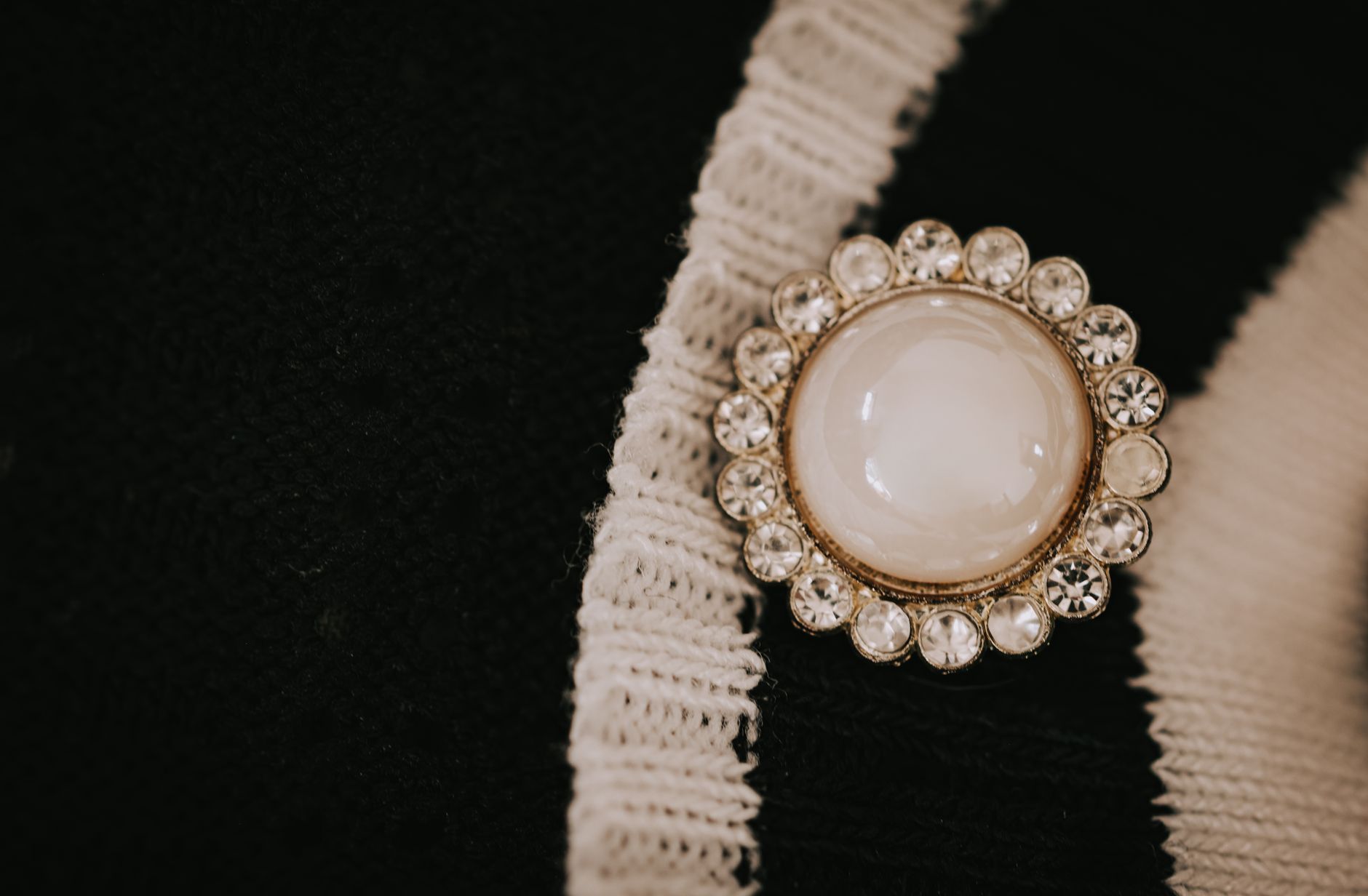
The Brooch That Named The Thief
The Woman We Let Take the Blame
Within a month, Mrs. Odell had lost the two other housekeeping jobs she held in town, not because anybody accused her outright, but because word travels in a town the size of Pruett the way water travels downhill, quietly and always toward the lowest point. She lost her volunteer post teaching the youngest class at Sunday school, a position she’d held for six years, because a deacon’s wife suggested, gently and without a single fact behind it, that perhaps it wasn’t appropriate anymore.
I did not fight for her. I told myself at the time that it wasn’t my place, that if she was innocent the truth would come out, that I had enough grief of my own to carry without taking on somebody else’s fight too. I have had nineteen years since then to sit with how convenient that reasoning was.
By the following spring, Mrs. Odell had left Pruett. I heard, secondhand, that she’d gone to stay with a cousin somewhere east, and later that she’d landed in a town two counties over, working the register at a diner off the highway. I never checked. None of us did. It was simpler to let her become a name we mentioned only when someone brought up the missing brooch, always with the same shake of the head, always with the same unspoken verdict already settled.
My mother’s brooch was appraised, when we filed the loss with our insurance carrier that year, at two thousand nine hundred dollars. The claim was small enough that nobody at the company asked many questions. We collected what we were owed, and the family moved on the way families do, filing the whole episode under things that happened and can’t be undone.
Except it turned out we had the wrong person, and it had taken my son’s wedding photographs to prove it.