The Brooch That Named The Thief
The Wedding Itself
Edgar’s wedding was, by every measure that matters, a good night. The Milsap barn sits on a working family farm, and the owners still keep cattle in the back pasture, so the guests parked in a hayfield and walked in past a fence line strung with the same string lights that would later hang over the reception. Edwin gave a toast that had half the room laughing and the other half reaching for a napkin to dab their eyes, and his wife danced the first slow song with Edgar the way an aunt does when she’s loved a nephew since he was in diapers.
I remember standing near the dessert table watching my brother and his wife two-step past the cake, thinking, the way you do at weddings, how lucky our family had turned out to be. My father gone, my husband gone, my mother gone longer still, and yet here was a room full of people who loved each other enough to show up on a Saturday night in June and mean every word of it.
I did not know, standing there with a plate of cake I never finished, that a woman two counties over was still paying, that very night, for something none of us had bothered to question in nineteen years. I think about that a great deal now, how a room can be full of real love and still be built, in part, on a lie nobody in it knew they were carrying.
My Mother’s Brooch
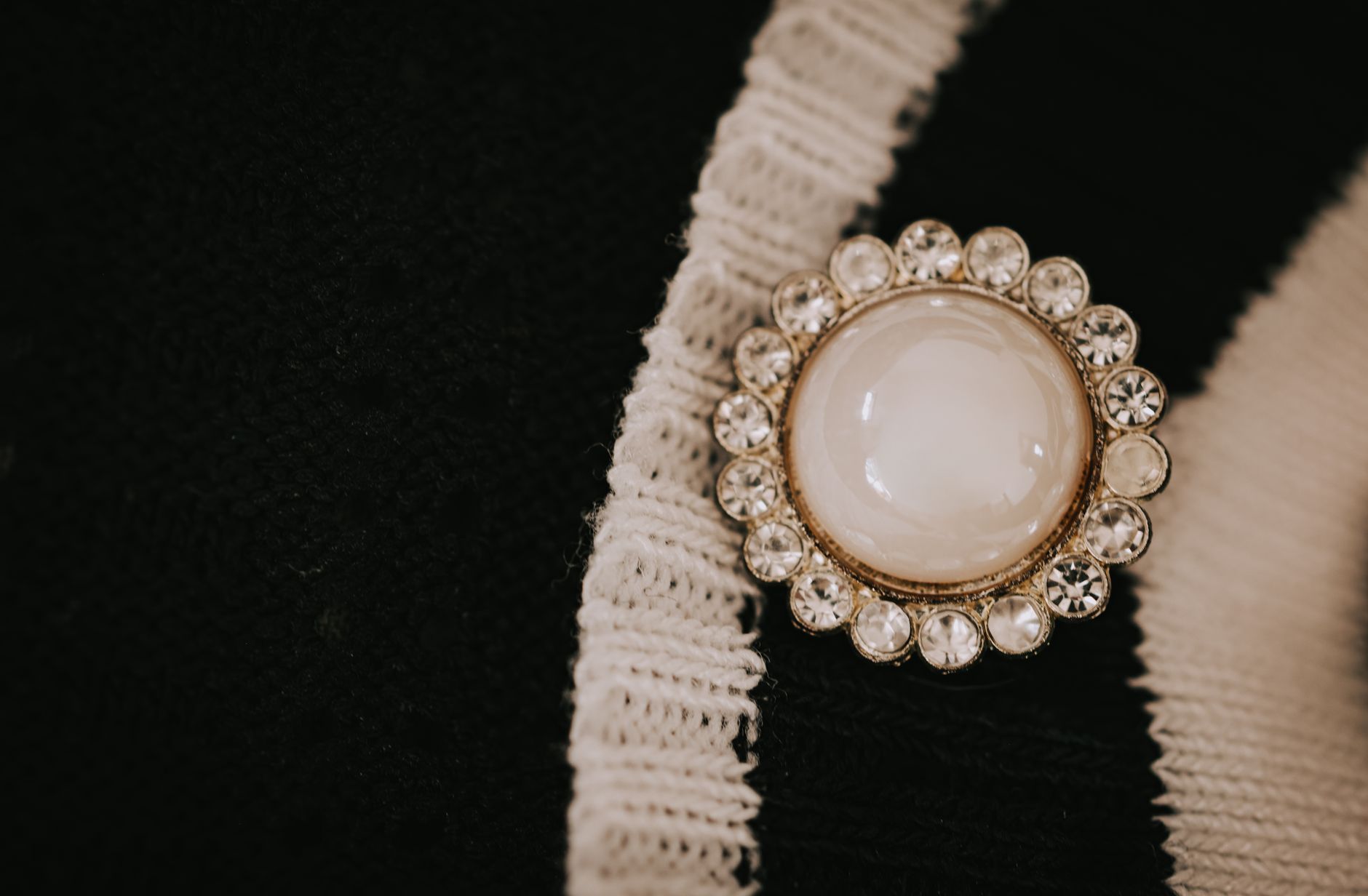
My mother wore that brooch to church every Sunday I can remember as a girl, pinned just under her collarbone on whichever dress she’d pressed the night before. She used to say her own mother gave it to her the week she got engaged, and that it was the only thing of value she owned free and clear, no note against it, no bank with a claim on it, just hers.
When she got sick, the last year of her life, we hired help to be with her during the day while the rest of us worked. That’s a common enough arrangement out here, where the nearest hospice service is a forty five minute drive and families do what they can to keep their people at home. The woman we hired was named Mrs. Odell. She’d worked for two other families in Pruett before us, families who spoke well of her, and she sat with my mother through the worst of it with more patience than I managed some days myself.
My mother died on a Tuesday in March. We buried her that Saturday at the cemetery behind the church, under a sky so flat and gray it looked ironed. It was the following week, while we were going through her things to decide what stayed in the family and what went to the church rummage sale, that somebody noticed the brooch was gone.
I wish I could tell you we handled it carefully. We did not.
My brother Edwin was the one who said it out loud first, at my mother’s kitchen table, surrounded by open boxes and a coffee can full of buttons nobody wanted to throw away. “Well, who else has been in this house,” he said, “besides the woman we were paying to be in this house.”
Nobody defended Mrs. Odell that day. Not because anybody had proof. Because it was easier not to.