The Uncle Who Chose Her Instead
My brother watched from the hallway in his socks, arms loose at his sides, and said nothing. He was twenty-six, still living at home, still between jobs the way he had been between jobs for three years running, and he had learned a long time before I did that silence in that house was the safest currency there was. I do not blame him for it anymore. I understand it better than I used to. But that Tuesday, watching him stand there with his socked feet and his empty hands and his empty mouth, I understood for the first time exactly how alone I was going to be from here on out.
I carried two suitcases down six steps into the gold light and stood in the driveway with no plan at all.
I want to say a little more about that house, because I think it explains a few things later on. It was not a poor household, not by the standard of the county. My father ran close to a thousand acres of wheat, some of it his outright, some of it leased off a neighbor two farms over, and in a good year the crop check covered more than most families around us ever saw. But somehow there was never enough of it left over for me. There was always enough for a new transmission in my brother’s truck, or a lawyer’s retainer after his second citation, or the four-wheeler that got replaced twice, but a set of new tires for the car I drove to my actual job every morning was, apparently, an extravagance that needed discussing at length over supper.
I had stopped keeping score of it a long time before that Tuesday. Keeping score in a house like that only ever made you the difficult one, the ungrateful one, the one who could not simply be glad for what she had. So I paid my own way, quietly, and kept my head down, and told myself that was simply how things were, right up until the night my father decided even that arrangement cost him too much pride to keep tolerating.
The spare room above the shop
I called my great-uncle Everett because he was the only person in that entire family who had never once made me feel like a debt that needed collecting.
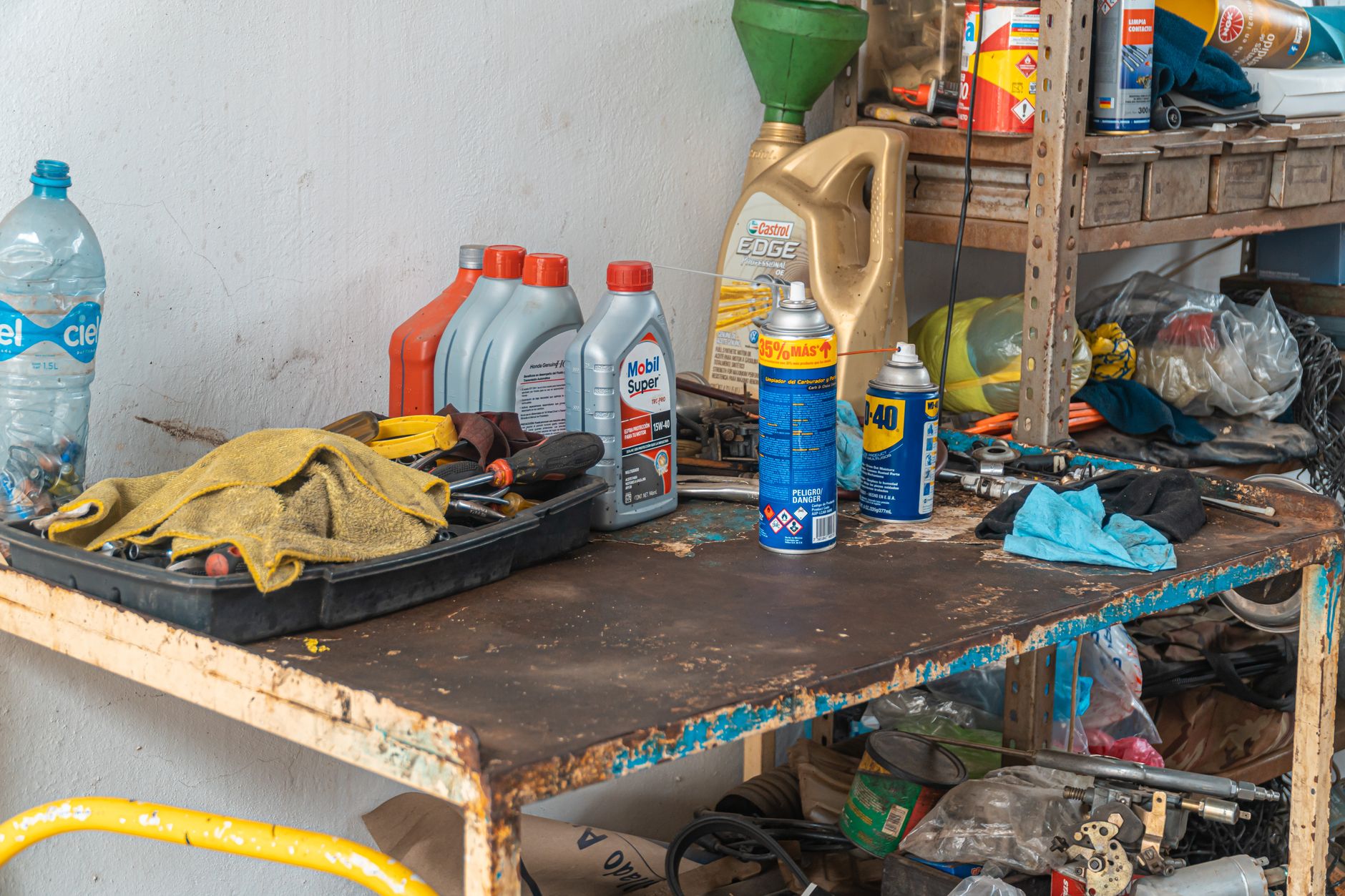
Everett was my father’s uncle, his mother’s younger brother, and by the time I was born he had already been running the small engine and welding shop out on the county road for the better part of twenty years. EVERETT’S, the sign said, hand-painted, the letters gone a little soft at the edges from thirty winters of wind, and every kid in three townships knew that shop as the place you took a chainsaw that wouldn’t start or a lawn tractor that had finally given up.
He answered on the second ring. I did not even get through the whole story before he told me to come on out, that the spare room above the shop had a bed in it and a space heater that worked fine once you gave it a minute, and that I could stay as long as I needed and not one day less.