The Uncle Who Chose Her Instead
Keeping the shop
I kept EVERETT’S open. I did not know, at first, whether I could run it alone, whether twenty years of Saturday afternoons had actually taught me enough to keep a business solvent instead of just keep a mower running. Mr. Voss stayed on, same hours he’d always kept, and between the two of us we managed it, slowly, one job ticket at a time, the way Everett had built the whole thing in the first place.
Six months later, the sign out front still reads EVERETT’S, the same hand-painted letters, a little more faded now than they were, but I added one line underneath it in the same style, small, the kind of thing you’d only notice if you walked up close. It reads: and Coleen.
My father came by once, in the spring, alone, without my mother, and stood in the gravel lot for a long minute before he came inside. He said he had been thinking, and that maybe we could put the whole thing behind us, start fresh, the way families are supposed to.
I told him I was glad to hear he’d been thinking. I told him the shop closed at five and that if his truck needed anything, Mr. Voss could get him in Thursday.
He understood what I meant. He did not come back after that, not about the truck and not about anything else, and I have made my peace with the fact that he might not ever.
My brother, for his part, drove out on his own a few weeks after that, quieter than I had ever seen him, and asked, in a roundabout way that took him twenty minutes to get to the point of, whether the shop ever needed an extra set of hands on Saturdays. I told him it did. He has been showing up most weeks since, still learning where things go, still slower than I was at his age, but showing up, which is the one thing our father never once managed to teach either of us by example.
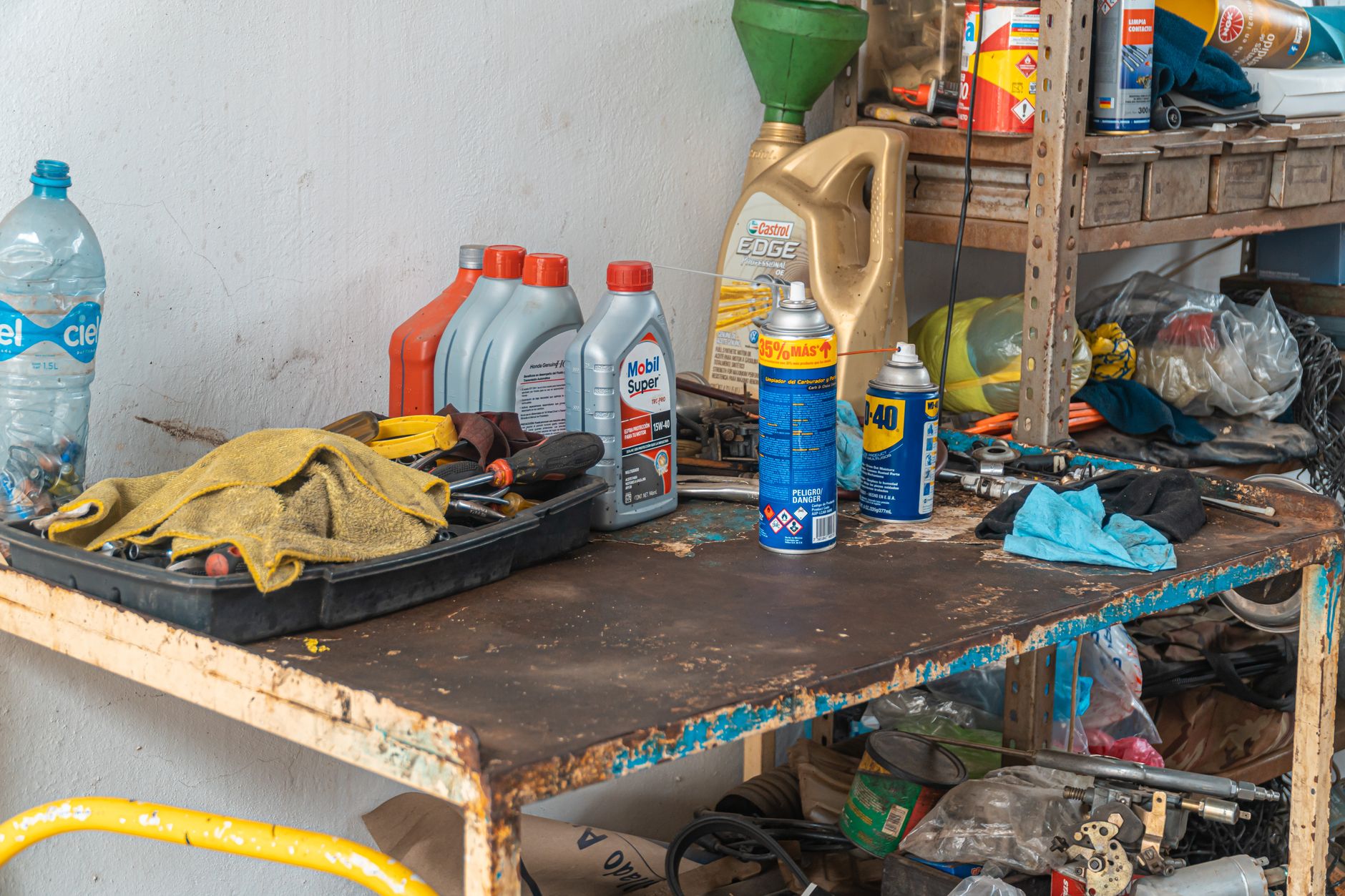
I think about Everett most on the slow afternoons, the kind where the radio is playing the wheat report and the shop smells like cutting oil and old coffee, the same way it always did. I think about a man who never had children of his own and never once made a show of loving the ones who belonged, on paper, to somebody else. I think about how the biggest thing he ever gave me was never sitting in an account at the credit union at all.
It was a Saturday afternoon, a long time ago, a rag pressed into a fourteen-year-old’s hand, and a voice telling her to hold this steady.
I have been holding it steady ever since.
This story is a dramatization. Names, characters, and details are invented, and any resemblance to real people or events is coincidental.