The Guitar They Laughed At
Arvid Learns
My son turned fifteen last month, and for his birthday he did not ask for a phone or new cleats or any of the things I’d braced myself to disappoint him about. He asked for lessons on his great-grandfather’s guitar.
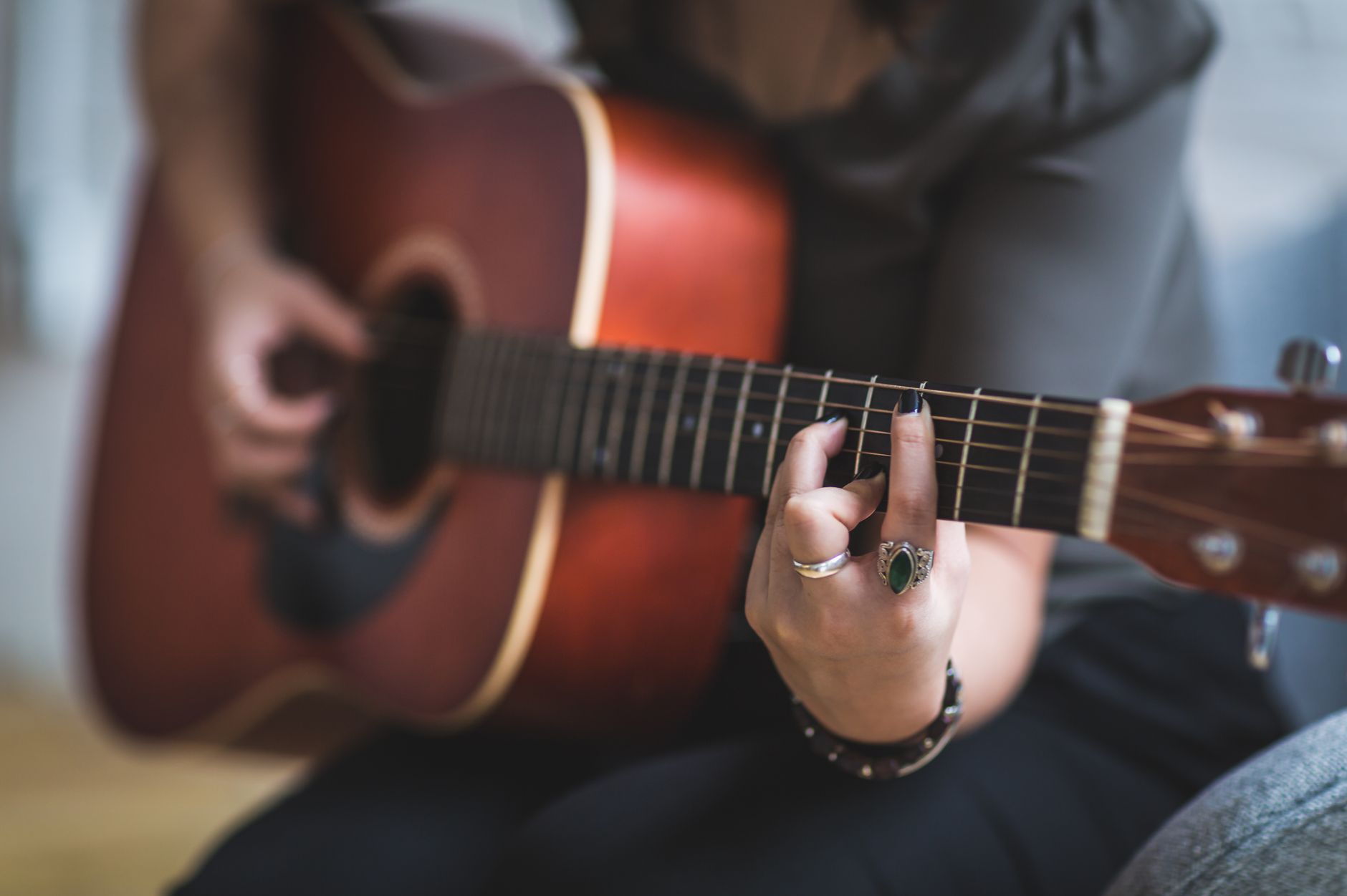
We sit on the same back porch now most evenings after supper, him on the overturned bucket that Delmar built for exactly that purpose sixty years before either of us was born, me in the good chair, walking him through the same three chords Delmar walked me through, patient in a way I didn’t know I had in me until I had to find it.
He is slow with his fingers still, the way I was, the way everybody is at the very beginning of anything worth learning. But he asked me last week, without any prompting, if he could learn Delmar’s song next, so he could play it at the gospel hour someday, and I told him that was exactly the plan, and that his great-grandfather would have liked knowing it a long time before anybody needed a room full of strangers to remind him it mattered.
I think about Halloran less than I expected to, these months later, which tells me the moment on that stage was never really about him at all. It was about a promise made on a dance floor in Korea-era Loyal Creek, kept quietly for sixty years by a man who never once asked for credit, and a granddaughter who finally understood, standing in front of two hundred people who’d underestimated her, that the truest inheritance he ever left her wasn’t the house or the land.
It was the song, and the county’s memory of who taught it to her, and now, on a back porch most evenings, a fifteen-year-old boy learning it note by patient note, so that whatever gets forgotten in this world, that particular kindness never will be.
This story is a dramatization. Names, characters, and details are invented, and any resemblance to real people or events is coincidental.