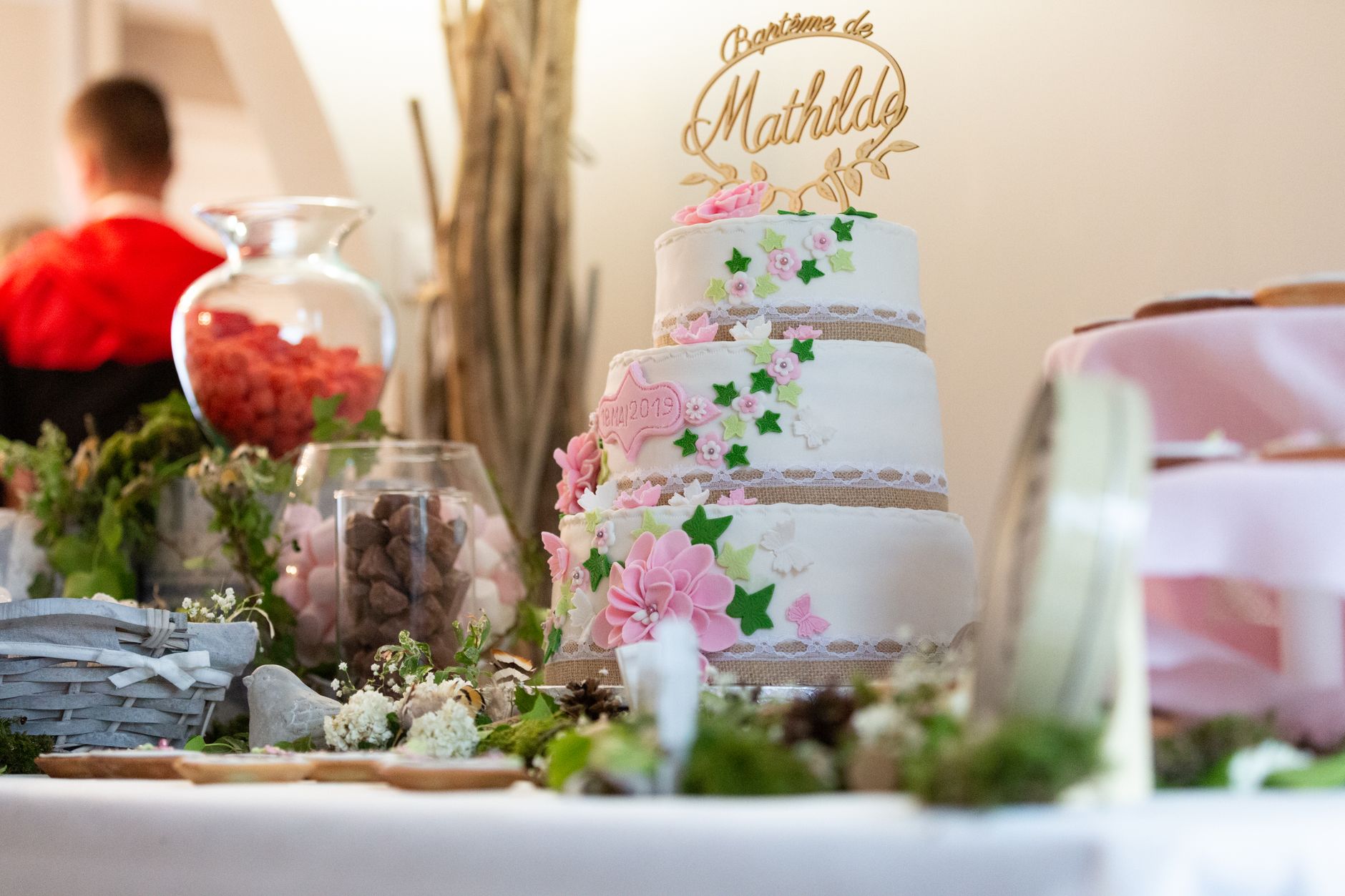
The Baptism Bill She Refused To Pay
What Eight Thousand Dollars Buys A Man
I did not confront Sheldon that day, or the next, or the week after. I want to explain why, because a woman who finds out something like this and says nothing for three weeks can look, from the outside, like she is either a coward or a fool, and I was neither.
I was gathering the whole shape of it before I decided what to do with it.
It turned out the account was not exactly a secret from everyone. Sheldon’s father, Elmer, knew about it. Had known about it from the start, in fact, because it had been his idea as much as Sheldon’s.
Elmer keeps a camp on a stretch of leased land forty minutes south of us, the kind of half swamp, half pasture ground that men in this parish have hunted deer and run trotlines on for three generations, and for two years he had been talking about splitting a real camp house down there with Sheldon, something with a real roof instead of the tin lean-to they had been sharing with two other families. A camp like that runs real money, the kind that does not show up in a single Christmas bonus, and Elmer had told his son, more than once at more than one Sunday dinner, that a man ought to have something set aside that was his own, separate from what the household needed.
I do not think Elmer meant for it to become what it became. I believe, and I still believe this even now, that in his mind it was fatherly advice, the kind every man in his generation around here was raised on, keep a little something back, don’t let a wife spend every dollar you make. I do not think he pictured his son quietly shorting a household budget to do it. I do not think he pictured his daughter-in-law covering church deposits on a credit card while that account grew two towns over.
But he knew about the account. He had known for a year. And in a year of Sunday dinners, in a year of watching me hand my card to the coordinator at the church hall for the baptism deposit, in a year of watching me tell the pediatrician’s office I would call back about the payment plan, Elmer never once said a word to me.
That is the part I could not get past. Not the money. The silence that surrounded it, three people wide, with me standing outside of it the whole time.
I thought back, in those three weeks, over every Sunday dinner at Elmer’s house where the camp had come up in conversation. The new roof they wanted to put on it. The argument over whether to run electric out to it or stick with the generator. I had sat at that table nodding along, refilling glasses of sweet tea, never once suspecting that the money for any of it was coming out of my own household a little at a time, the way a man bleeds a tire slowly enough that he does not notice the rim touching pavement until the day it finally does.
Sheldon, for his part, never called it anything but the boat fund, or later, once the camp house plan got serious, the camp money. He told himself, I am certain, that it was not really hidden. It was just his. A man’s own account, the way Elmer had one, the way Elmer’s father had probably had one before him. Something separate, something that made him feel like more than just a name on our joint statement.
He never once considered that the household getting thinner every month was the direct cost of that account getting thicker.