The Envelope My Brother Left Behind
Signing My Name
Eight hundred dollars and eleven hundred dollars of my own didn’t cover a nine-thousand-dollar deposit, not by a wide margin, and the clock Dr. Whitfield had described to me was not the kind that waited on family drama to resolve itself. That same night, from a laptop balanced on a hospital tray table, I signed for a medical credit line at eighteen percent interest, the kind of loan that a person only takes when every other door in the hallway is already closed. I have not enjoyed a single statement it has sent me since.
The surgery happened on a Thursday. Dr. Whitfield opened the compartment, relieved the pressure, and found enough damage to the blood flow behind my knee that she had to repair a section of vessel while she was in there, which she told me afterward, matter-of-fact as always, was the difference between me keeping full use of the leg and not. Two more days, she said, and we’d be having a very different conversation.
I woke up with a leg full of stitches and staples, a walker by the bed, and a text message from my mother that read, “Glad it went okay, keep us posted,” sent at nine in the morning, four hours after the operation, a time she could easily have gotten from Duane if she’d asked him, which meant she hadn’t asked.
Six Weeks on a Cane
I went back to my third-grade classroom nine days after the surgery because substitute pay in our district doesn’t come close to matching what I actually make, and because twenty-two eight-year-olds don’t stop needing someone at the front of the room just because that someone can’t stand at the whiteboard without gripping the tray for balance.
I taught from a rolling stool for six weeks. My students, being eight, found this endlessly fascinating and asked to see the staples more times than any adult ever should have to say no to a child. I graded papers with my leg propped on a second chair, elevated the way physical therapy insisted, and I drove myself to appointments in Des Moines twice a week on a cane, because Hartwell doesn’t have a vascular surgeon and probably never will.
Duane came by most Sunday evenings that stretch, sometimes with Arlene and Tyler, sometimes alone after a long Saturday of picking up whatever side work he could still manage without his good tools, borrowing a cheaper set from a friend at the shop that he complained, cheerfully, was garbage compared to what he used to own. He never once brought up the eight hundred dollars, or the fact that I hadn’t paid a cent of it back. I brought it up myself, more than once, sitting at my kitchen table with my leg propped on a stool, and every time he waved it off the same way.
“You’ll get me back when you get me back,” he’d say. “Or you won’t. Doesn’t change anything.”
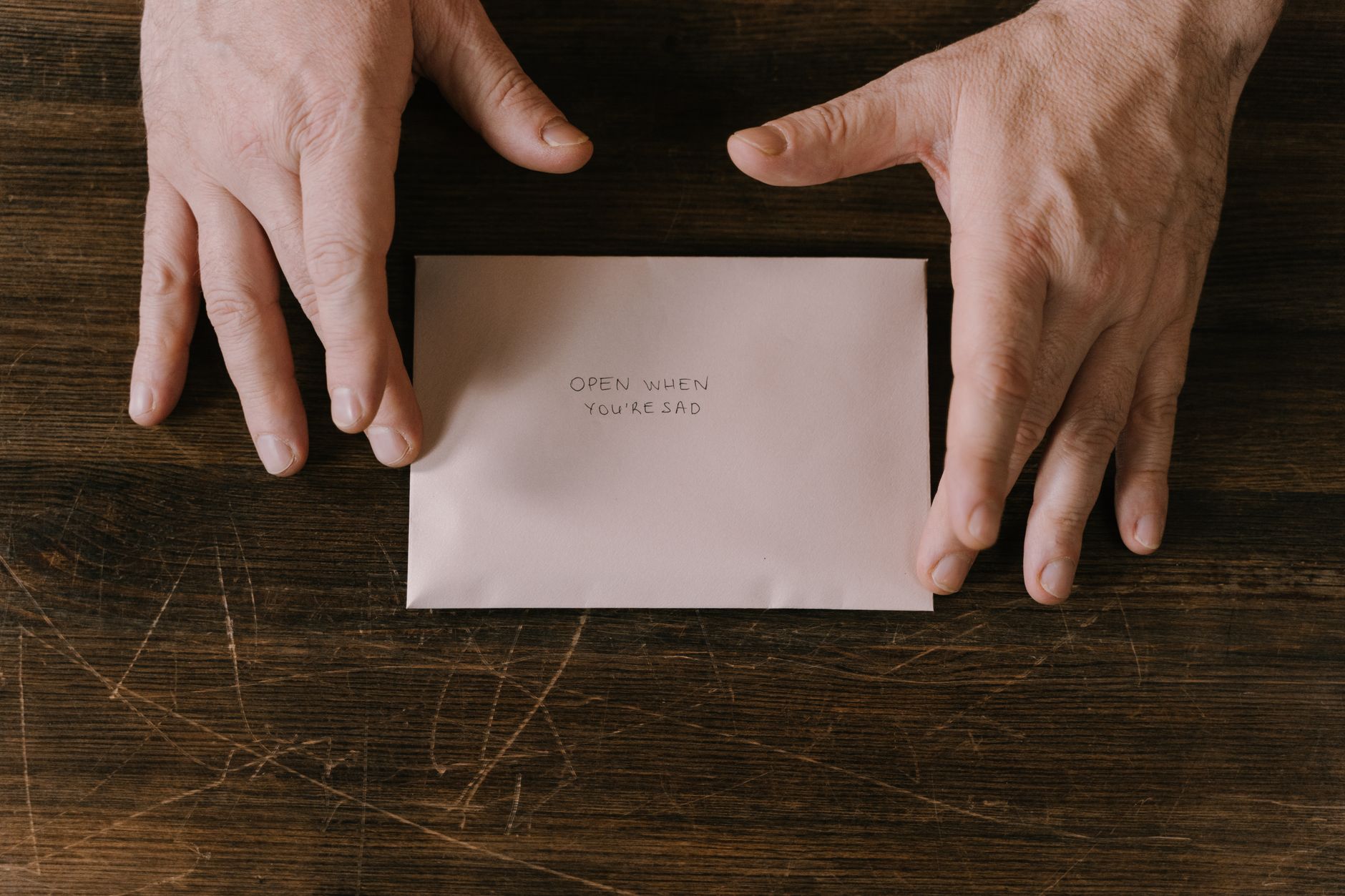
I told myself I would. I meant it every time. Life has a way of making good intentions line up behind a stack of medical bills that never stops growing, and five weeks after the surgery, the best I’d managed to save toward Duane was a hundred and forty dollars folded into an envelope of my own, sitting in my nightstand drawer, waiting for a month when I could add to it instead of touching it.