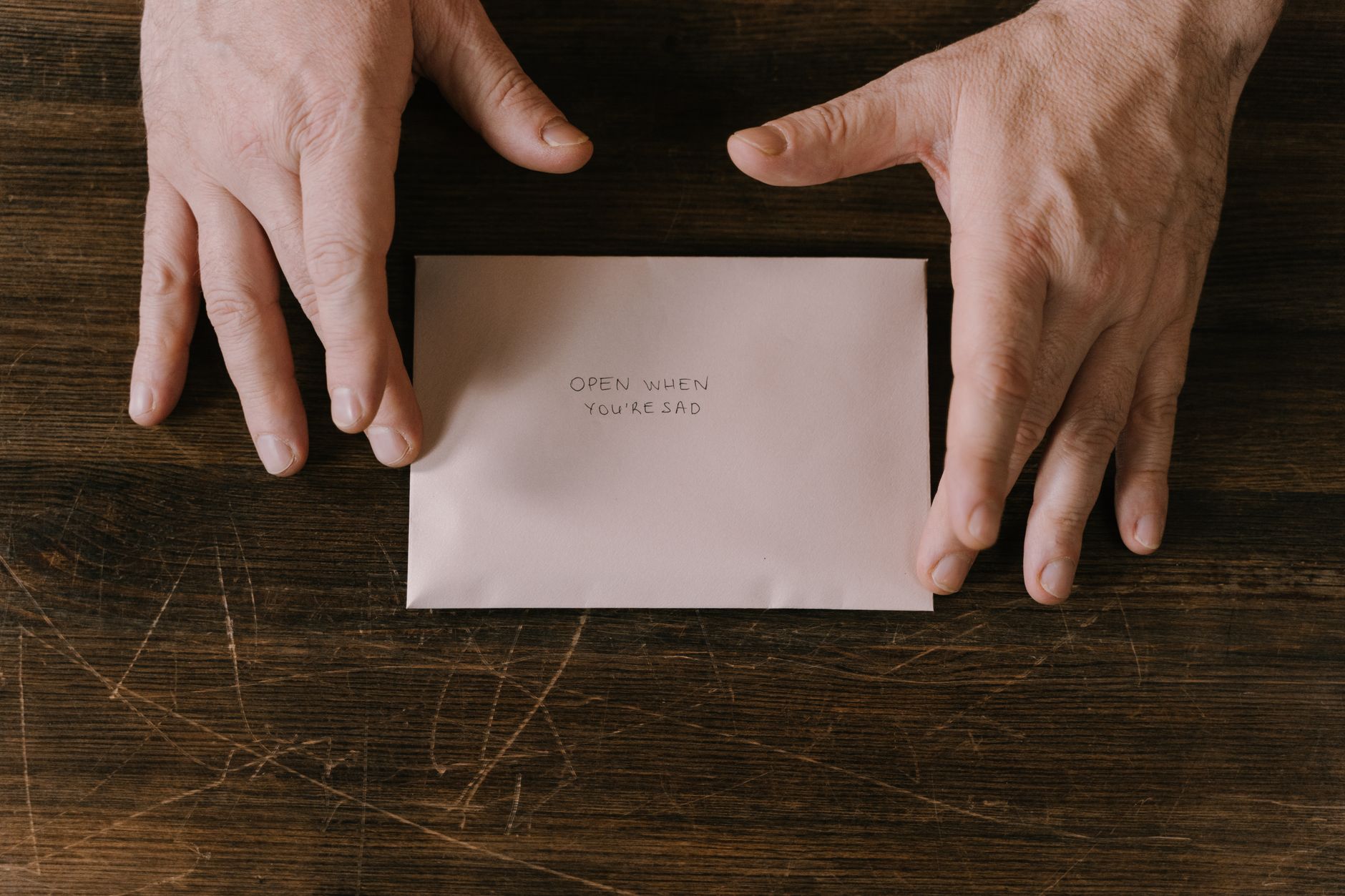
The Envelope My Brother Left Behind
The Boat
To understand what my father said to me, you have to understand the boat.
My parents, Vern and Marcia Voss, had farmed eight hundred acres outside Hartwell for thirty-six years before they rented the ground out to the Delacroix operation two counties over and called it retirement. They’d done well by any honest measure. The ground was paid off. The house was paid off. And that spring, with the rent checks coming in steady for the first time in their lives without four in the morning attached to them, my father had gone in on a pontoon boat at the marina on Lake Rathbun, brand new, forty-one thousand dollars out the door, with a built-in speaker system and a name on the stern he’d been wanting to use since he was a young man: Second Wind.
I want to be fair to him. A man who has worked a farm his whole life is allowed to want a boat. I have never once begrudged my parents rest, or comfort, or a slow Saturday on the water instead of in a hayfield.
What I begrudge is what came out of my father’s mouth when I told him, crying, in a hospital hallway two hundred miles from Lake Rathbun, that I needed nine thousand dollars in three days or I might lose real use of my leg.
“We closed on the boat Tuesday, Janet,” he said, in the same flat, reasonable voice he used to use to tell me the price of beans was down. “That money’s spent. I don’t have it to give you.”
He didn’t ask which hospital. He didn’t ask if it hurt. He asked, a moment later, almost as an afterthought, whether I’d checked if the school district’s insurance had some kind of hardship fund, the way you’d ask a stranger whether they’d tried turning it off and back on again.
My Mother’s Kindness, My Sister’s Laugh
My mother took the phone from him. Marcia Voss has spent her whole life being told she is a kind woman, mostly by people who have never needed anything real from her, and she has come to believe it about herself completely.
“A little limp never hurt anybody,” she said, gently, the way she might comment on rain in the forecast. “Might teach you to slow down some. You always did run yourself ragged.”
I did not have words for that. I still don’t, not really, except to say that I have thought about that sentence more times in the months since than I’ve thought about almost anything else in my life.
My sister Carol got on next, home for the weekend from her place forty minutes east, and she laughed, actually laughed, a short easy laugh like I’d told a joke over Sunday dinner.
“You’ll figure it out,” she said. “You always land on your feet. Remember when your car got repossessed and you figured that out too.”
I hung up standing in that hallway, in front of a vending machine humming its one dull note, and I understood, in a way I had managed not to for thirty-four years, exactly where I stood in my own family. Not last. Lower than last. An inconvenience that had shown up during boat season.