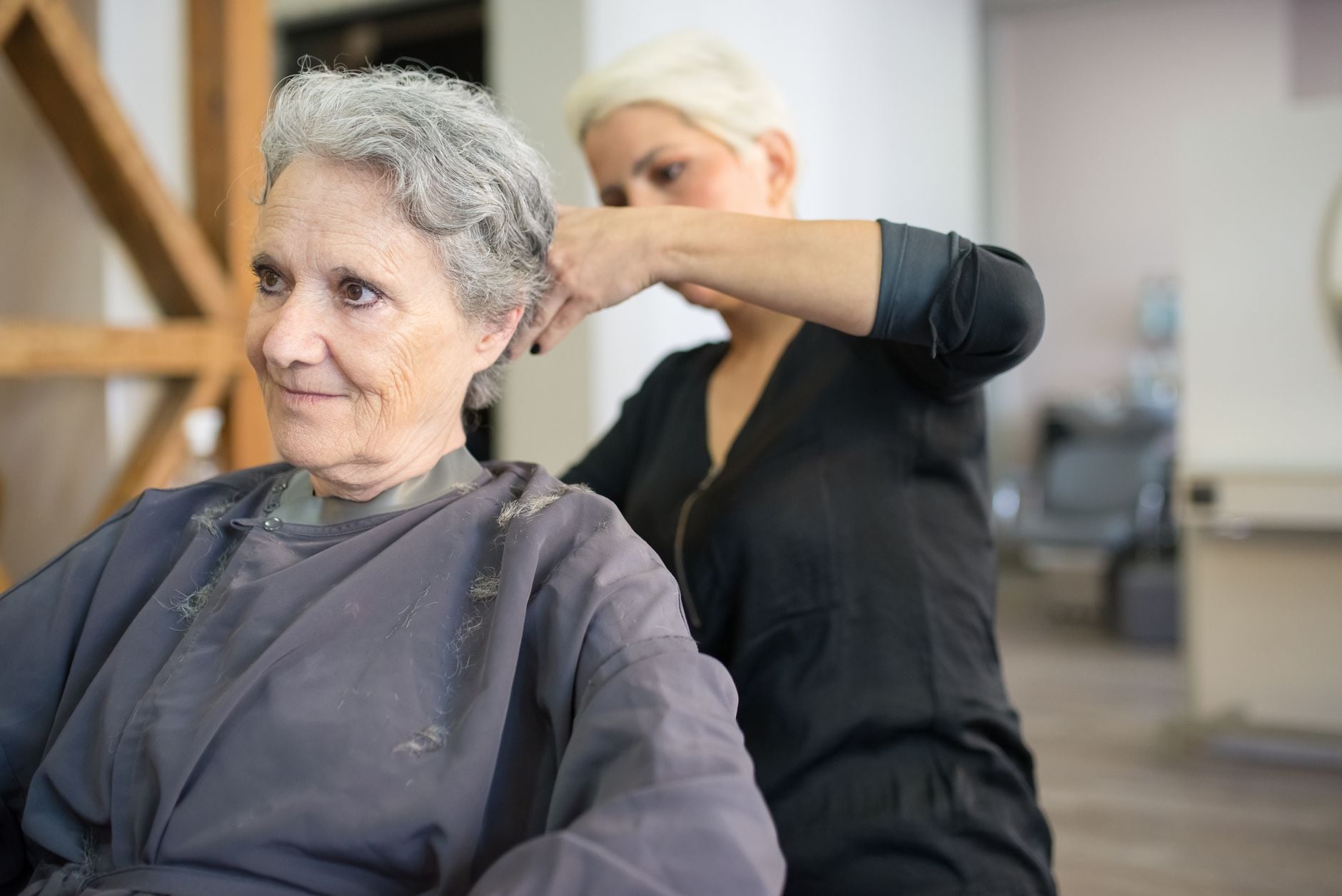
The Chair on My Mother’s Sun Porch
Kendra Moore slid the paper across the front counter while I was still sweeping up after Mrs. Halvorson’s cut. She did it the way you would push a menu at a stranger in a cafe, without looking up.
“New rates start the first,” she said. “It’s all in there.”
I leaned the broom against the counter and picked it up. It was a single typed page with the Mane Street Salon logo at the top, the same logo Marlene had paid a girl in Watertown forty dollars to draw back in 2005.
Chair rent, station three. Three hundred dollars a week. Due Mondays.
I had been paying $175 a week for that chair for nineteen years. Marlene had raised it once, in 2014, from $150, and she had apologized for it over coffee and a pan of scotcheroos.
Under the rent, there was a second line: Saturday hours, station three, Kaylee Moore.
I read it twice. Station three was my chair. It was the one by the front window, where the light was good for color and my ladies could watch the trucks go by on Main while they sat under the cape.
“Kendra,” I said. “Saturday is my biggest day.”
“I know.” She finally looked up. She had on the black blazer she wore every day since she bought the place, like she was always about to walk into a bank. “Kaylee needs the hours to build a book. You’ve got your book. You’ll be fine.”
“Half my ladies only come on Saturday. Their daughters drive them in.”
“Then they can come on a weekday.”
I tried. I want that written down somewhere, because later on people said I should have just talked to her. I stood at that counter for ten minutes and I talked.
I offered her $225. I offered to take Kaylee on Saturdays as a helper and split the chair. I offered to come in on Mondays, when the shop was closed, and work a full day so Kaylee could have a Saturday chair of her own at station four, which nobody had rented since Deb moved to Brookings.
Kendra listened to all of it. Then she folded her arms.
“It’s three hundred and Kaylee gets Saturdays,” she said. “Take it or leave it, Shelly. I’m not running a charity.”
The bell over the door rang and Mrs. Iverson came in for her ten-thirty. I put the paper in my apron pocket, and I did her color, and I did not cry once, not even when she asked me if I was feeling all right because I had gone so quiet.
I am forty-six years old. I have done hair in that town since I was twenty-seven, and I had never once gone quiet in a chair.