The Orchard They Came To Measure
I came home from the ten o’clock service still holding my church bulletin, and the first thing I saw past the mailbox was a strip of orange plastic tape tied to the low branch of the Haralson tree closest to the road.
Then I saw the wheel.
A young man I had never met was pushing a measuring wheel down the center row of my husband’s orchard, the kind with a little clicking counter on the handle, and my son-in-law Brad was walking next to him with a clipboard, pointing at things the way he points at things in his own garage when he is deciding what to throw away.
I parked behind Brad’s truck and sat there a minute with my hands on the wheel, the way you do when you already know what you are about to walk into and you are giving yourself one more breath before you have to be a person about it.
Forty trees. Arvid put in forty trees on this half acre in 1968, the spring before Kaylene was born, because his own father had an orchard outside Decorah and lost it to a bank in the thirties, and Arvid used to say a man who plants a tree he will not see full grown is telling God he plans on staying.
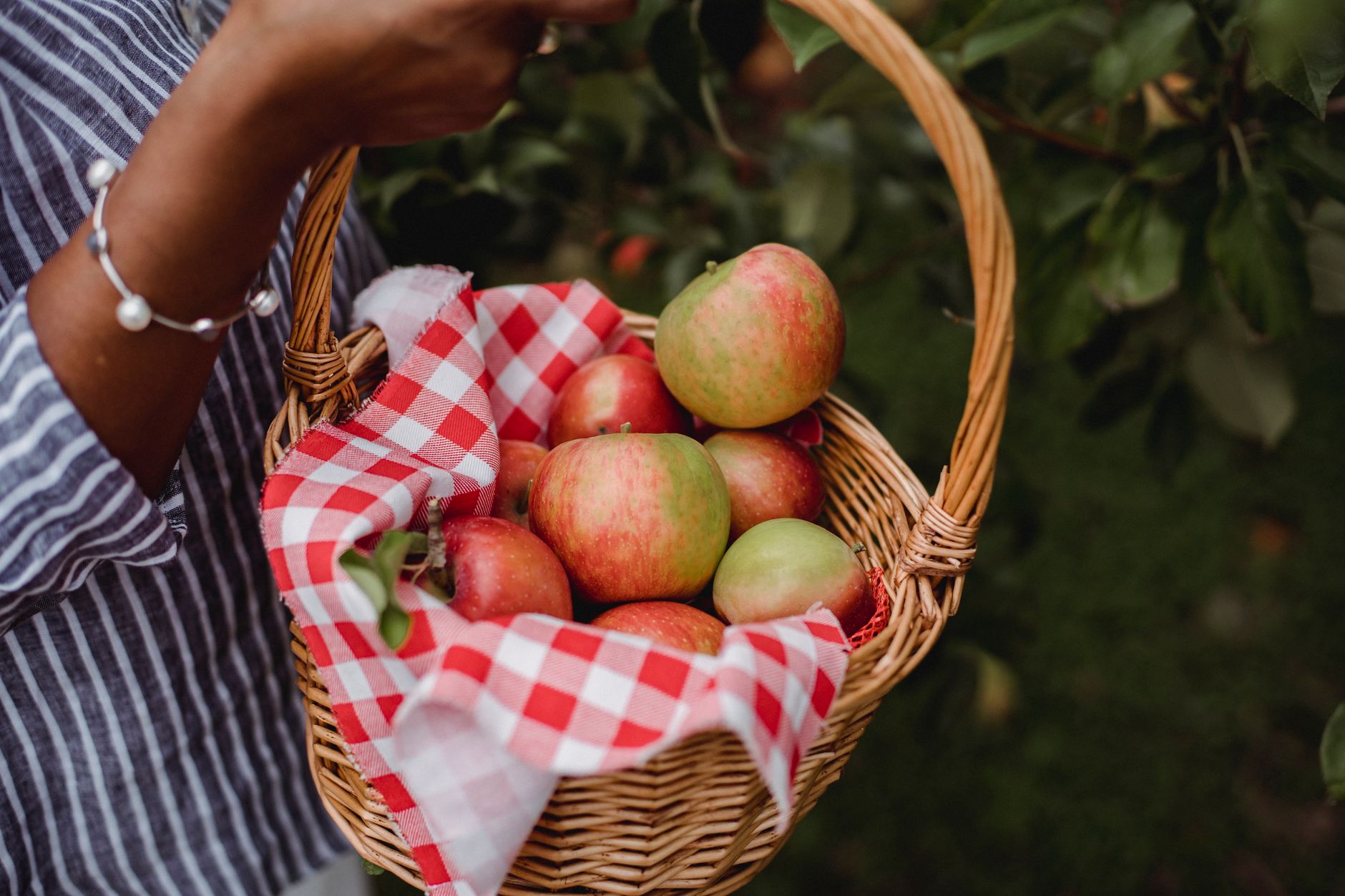
He stayed sixty one years. He is three years gone now, and the trees are still here, heavier with fruit most Octobers than two people could ever use, so we had always given half of it away, to the church, to the grade school for their cider day, to whoever stopped by with a bucket and a please.
Arvid did not just plant trees and hope for the best, either. He spent four winters learning to graft from a nurseryman outside Decorah, buying rootstock a few dollars a bundle and carrying scion wood home wrapped in damp newspaper on the bus, and he did the actual grafting at our kitchen table on winter evenings with a knife so sharp I was not allowed to touch it, wax warming in a tin can on the back of the stove. That is how we ended up with the mix we have: Haralson along the road for the tartness he loved in a pie, two rows of Wealthy because his mother had grown up with that variety in Minnesota and he wanted something of hers in the ground, a stubborn little McIntosh he was prouder of than he ever let on, and the one old Wolf River grafted from a neighbor’s tree that nobody but Arvid could remember the reason for. He used to walk the rows every evening after supper with a cup of coffee going cold in his hand, not working, just looking, the way some men look at a truck they have just washed.