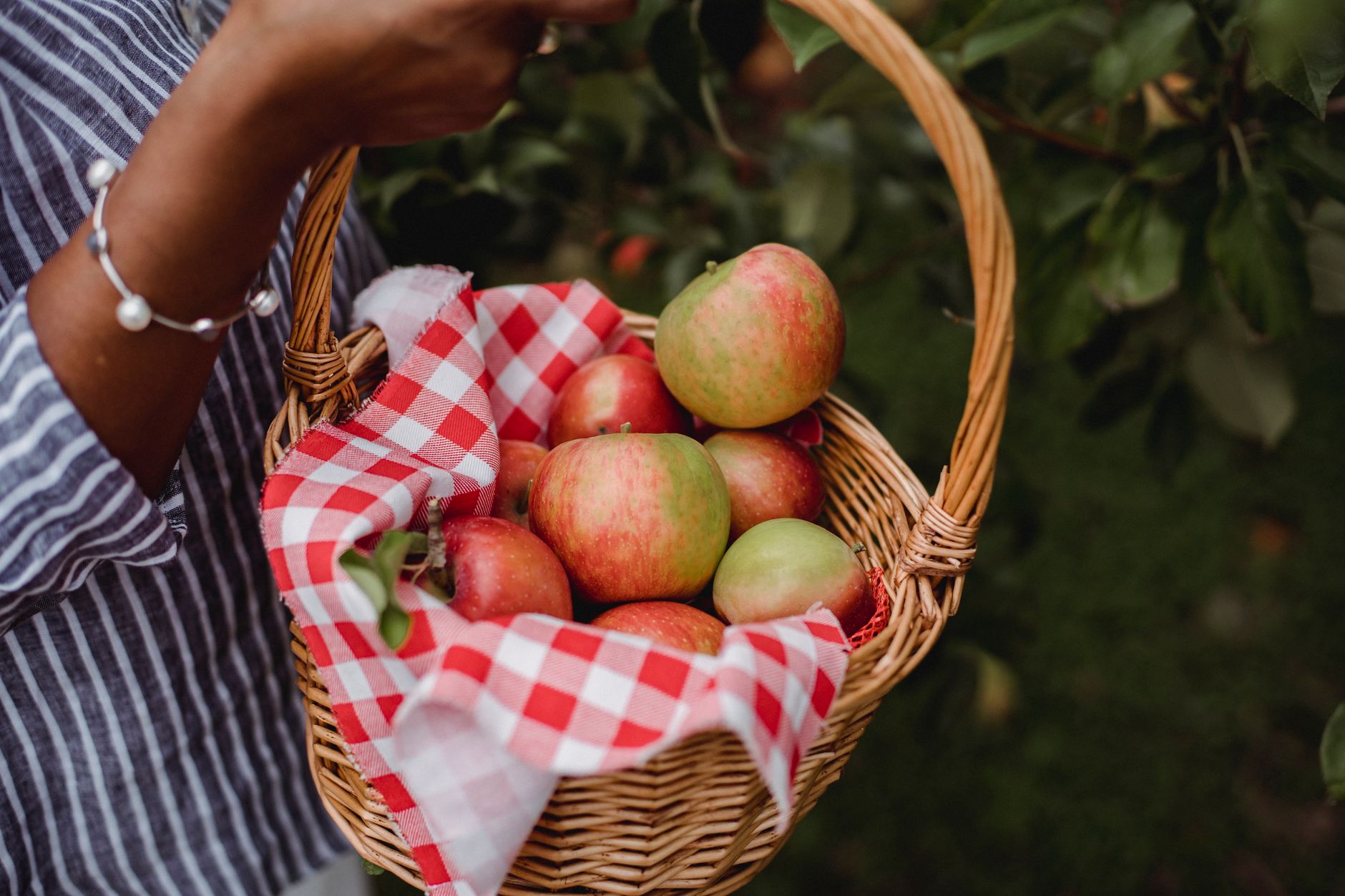
The Orchard They Came To Measure
I did not forgive him right there in the yard with the apple smell still in the air and my hip aching from standing too long. Forgiveness, the real kind, is not a thing you can hand a man the same hour he hurts you and have it mean very much. But I told him I heard him, and I told him that from here forward, anything that touched this land, he would ask me first, in words, before he ever walked a stranger onto it with a clipboard, and he said he would, and I believed him more than I had believed anything he’d told me in two and a half years, because for once he had said it with his certainty gone out of his voice.
That evening, before Kaylene ever called, I sat out on the porch a while with a cup of coffee going cold in my hand, the same way Arvid used to, and I did the thing I generally do when I do not know what to feel yet, which is talk it over with the Lord and with him, in whatever order they will listen. I was not looking for a sign. I think I was only looking for the part of myself that still believed decency finds its way back around, even on a morning when it had looked for a while like it would not. Pastor Lindqvist preached just last spring on holding a grudge being like drinking poison and waiting for someone else to get sick off it, and I did not want to be a woman carrying that particular poison around for the rest of however many autumns I have left, so I sat with it until the anger had burned down to something I could actually use, which was plain honesty instead of spite.
Kaylene came over that evening after Brad told her what happened, and she cried in my kitchen, not for the orchard, she said, but because she realized how long she had let her husband be the only one managing her mother’s life, how long she had sat quiet in rooms where decisions about me got made instead of with me. “I kept telling myself I was being a good daughter by not making you deal with the details,” she said. “I think I was really just glad somebody else was dealing with them so I didn’t have to feel bad about not visiting enough myself.”
“You visit plenty,” I told her, and I meant it, because she does, every Sunday after church and most Wednesdays besides, and a daughter who shows up that often has already answered a harder question than the one she was asking herself.
We sat at the table a long while, the two of us, and we made a list, right there on the back of a church bulletin, of every decision about this place and about my own affairs that would come to me first from now on, in plain language, with time to think it over, and both our names signed under it like it was a kind of promise, because it was. We even wrote down a rule for disagreements, that nobody gets to decide something is settled just because the other person went quiet, since going quiet, I told her, had never once in my life meant I agreed.