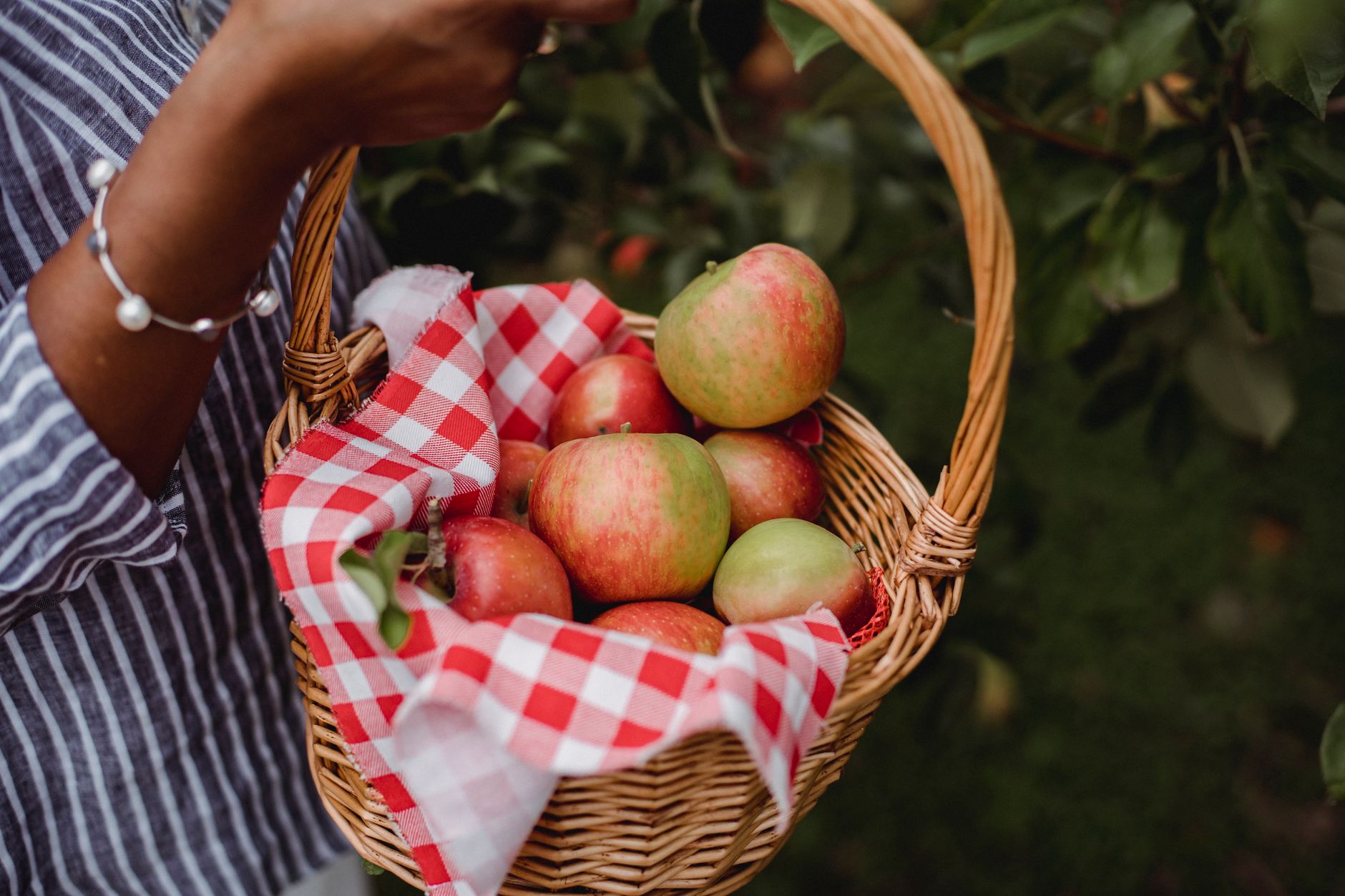
The Orchard They Came To Measure
That left Brad standing in the middle of the orchard with his clipboard, and me on the bench, and about forty trees worth of quiet between us.
I did not say I told you so. I want you to know that, because there was a version of that morning where I could have, and some tired, hurt part of me wanted to, and I did not let her out.
I did not gloat. Arvid used to say that gloating is just cruelty wearing its good coat, and he was not a man who wore his good coat to beat somebody with.
I got up off the bench, slow, the way my hip still makes me get up off of things, and I walked over to where Brad stood, and I looked at him, forty four years old, a good provider for my daughter most days, a man who had sat up all night with me in the hospital waiting room after my surgery holding my hand because Kaylene had finally fallen asleep in the chair and somebody needed to be awake, a man who was not evil, just certain, the way certain men get when they have decided what is practical and have stopped checking whether practical and right are standing in the same place.
“Brad,” I said, “I know you think you’re taking care of me.”
“I am taking care of you,” he said, and his voice cracked a little on it, which surprised me, because I had never once in eleven years heard Brad’s voice crack. “Esther, the taxes on this place are going to climb when the annexation goes through, same as they’re going to climb on Troy’s grandpa’s old place, and you are seventy one years old, and one day you are going to be up on a ladder after a Haralson that’s too high for you to reach from the ground, same as you always do, and I am going to be the one who finds you.”
“Then help me build a lower rung on the ladder,” I said. “Don’t tear out the tree.”
He did not answer that right away. He looked down the row, at the fruit still hanging, at the crow that had given up on its apple and flown off toward the tree line, at the house behind us with the porch light Arvid had wired himself still burning from the night before because none of us had thought to turn it off.
“I didn’t ask you first,” he said finally. “I should have asked you first. I told myself I was saving you the worry of it until I had real numbers to bring you, and that wasn’t honest, that was me deciding I already knew what you’d say and skipping past you to get to the part where it was already decided.”
“Yes,” I said. “That’s exactly what you did.”
“I’m sorry, Esther.”