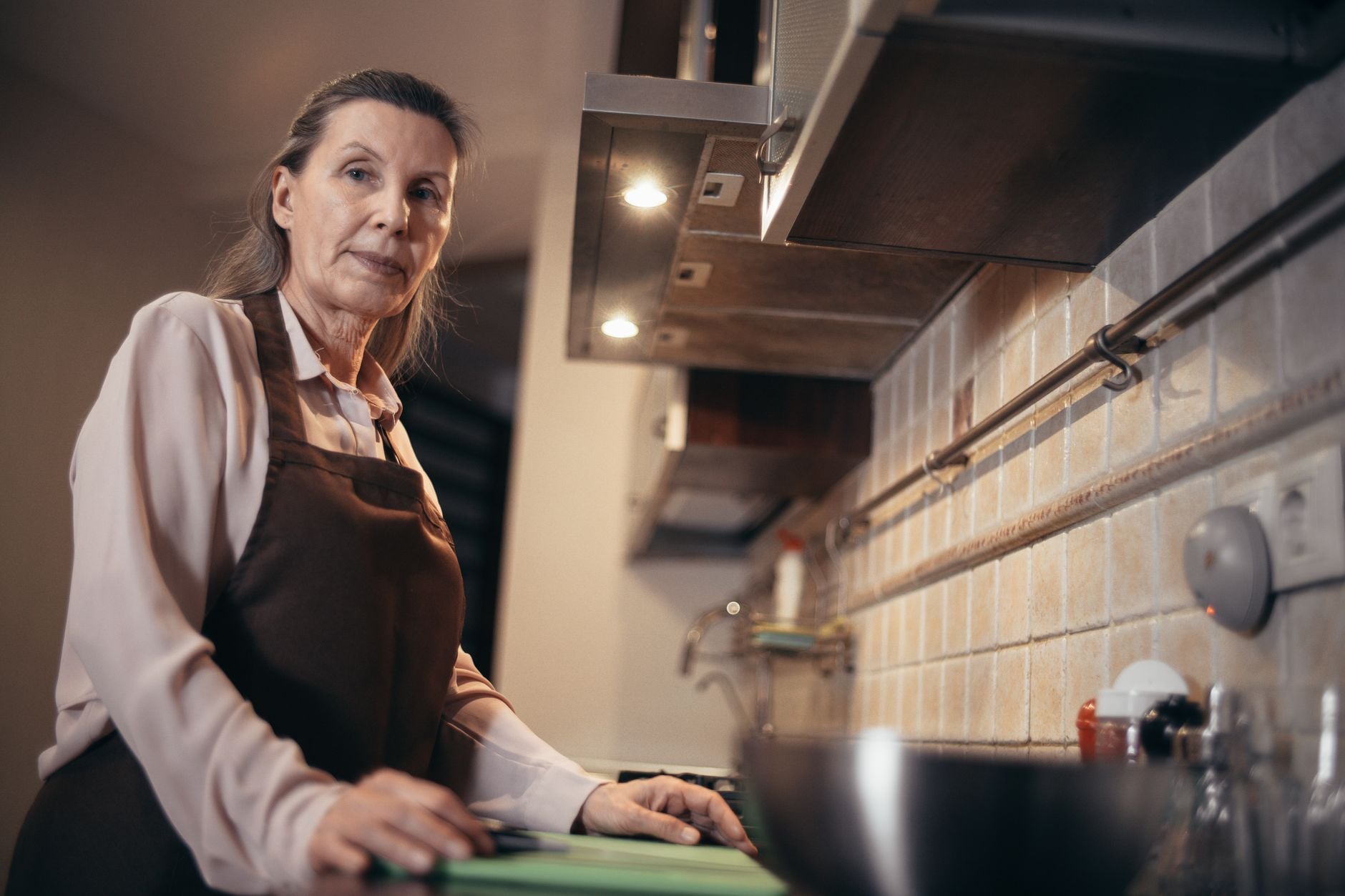
The Kitchen The Church Took Back
Tamra had the sign taped to the kitchen door before the second hymn had finished ringing in my ears. A clean sheet of white paper, printed off a computer, with lines ruled for names and times and a header in a cheerful rounded font: Funeral Luncheon Sign Up, New Process Effective Immediately. She stood in front of it with her hands folded at her waist, the way a person stands when she expects to be thanked.
“I know change is hard,” she said, to the five of us standing there in our aprons with nowhere left to put our hands. “But I talked to Pastor Shay, and we think it’s time for some fresh ideas down here. We’ve found a wonderful catering service out of Grand Island. Prairie Table. They do a lovely spread for sixty people, soup to dessert, and nobody has to stand over a stove at seven in the morning when they ought to be grieving with everybody else.”
Louise set down the roasting pan she had been holding since we walked in. It made a small sound against the counter, not a slam, just a sound.
“We’ve been doing the seven in the morning for thirty years, Tamra,” Louise said. “None of us minded.”
“I know,” Tamra said, and she did sound like she meant it kindly. “That’s exactly why it’s time. You’ve given so much. Now you can just come and sit with everybody else at the service. Doesn’t that sound nice?”
Nobody answered her. Wanda was looking at the coffee urns, the two big hundred cup ones that Eunice’s husband had bolted a shelf for special so they wouldn’t tip. Marge was looking at the floor. I was looking at the sign.
I want to say I said something wise in that moment, the kind of line a person remembers being proud of later. I did not. I untied my apron, folded it the way my mother taught me to fold a dish towel, and I set it on the hook by the door where it had hung for three decades, and I said, “Well. I suppose we’ll see you at church, Tamra,” and I walked up the stairs into the sanctuary where my husband would have been sitting if he had lived to see it, and I sat down in our pew and I did not cry until I was home.
I am Opal Deane. I am seventy two years old. I have lived in this town my whole life, in a town so small you could walk every street of it in the time it takes a pot roast to brown, and for thirty years, since I was forty two years old and had just buried my own mother, I have been one of five women who cooked the funeral lunch at Zion Lutheran. Louise Pruitt. Wanda Keel. Eunice Brandt. Marge Holt. And me. We were not an official committee. Nobody elected us. We were just the ones who showed up the first time somebody died and kept showing up, through our own husbands, through each other’s husbands, through every farmer and schoolteacher and baby this town lost, until showing up was just what we did, the way breathing is just what you do.