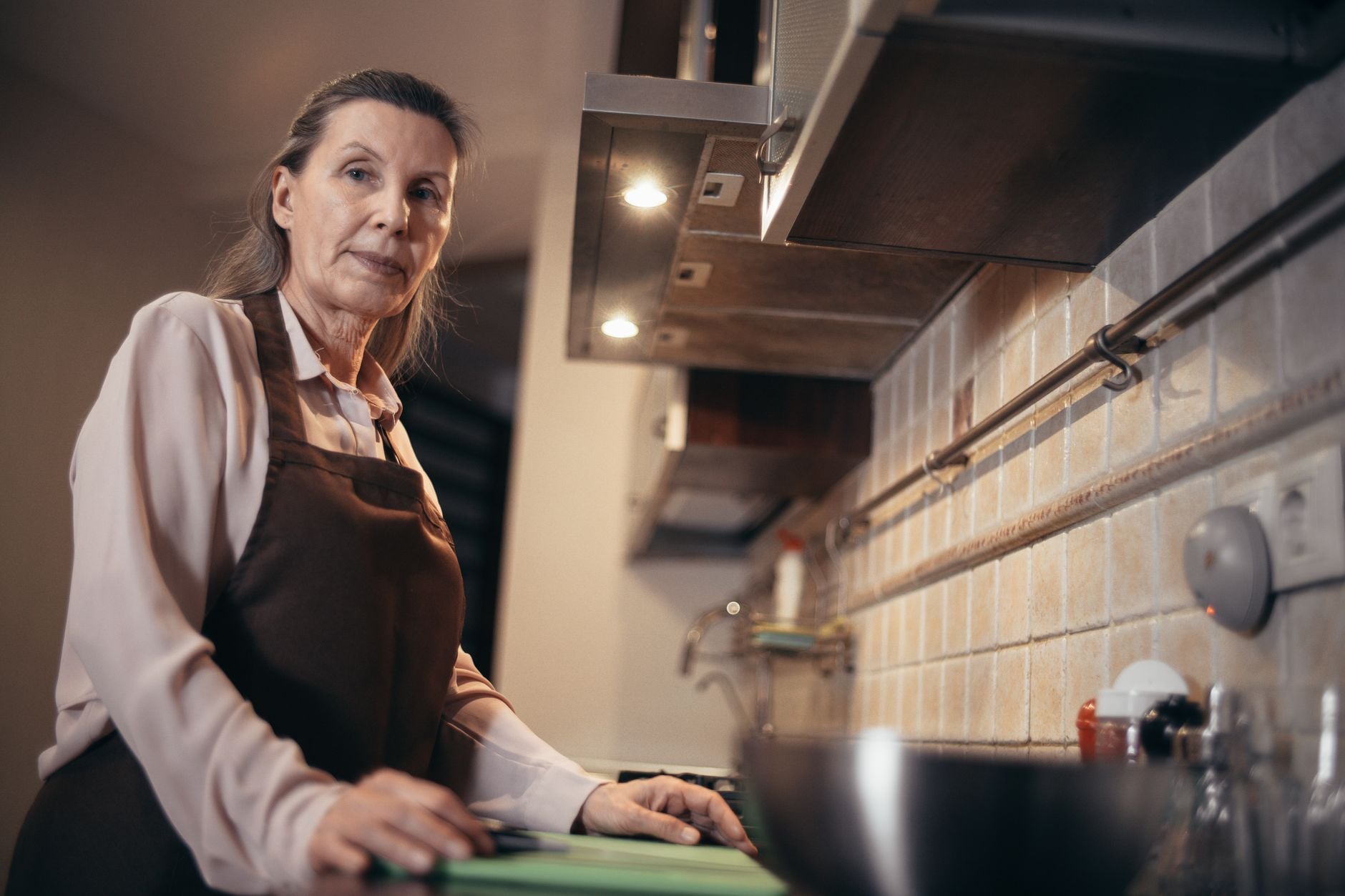
The Kitchen The Church Took Back
Then in September she went to a conference in Lincoln, something about church revitalization, and she came back with a binder. I do not say that to mock her. I have come to think the binder came from a good heart that did not yet know this town. One of the sessions, she told the council later, was about volunteer burnout, about how churches run their most faithful people into the ground doing the same unpaid labor for decades until those people quietly die or quit and the church has built nothing that survives them. She looked at five women in their sixties and seventies climbing up and down basement stairs with roasting pans at six in the morning, and she saw burnout. She did not see what Sharon Lindqvist, who used to dispatch for the county before she retired, told me later over coffee that she would have seen in about thirty seconds, which was five women who had never once complained, never once asked to be relieved, and would have told you to your face that carrying a roaster was not a cross they were bearing, it was a gift they were glad to give.
I did not call Tamra and tell her that. None of us did, and Sharon, when I told her the whole thing weeks afterward, asked me the obvious question any sensible person would ask. “Opal, why in the world didn’t you just say so? Why didn’t you tell the woman plain, we are not tired, we like it, leave us be?”
Here is the truth of it, and it is not a flattering truth, but it is the honest one. Pastor Shay was twenty nine years old and the council had voted him in six to one, after years of praying this little dying church would survive another decade, and Tamra was his wife, and in a town this size the pastor’s wife carries weight whether she asks for it or not. If five old women had stood up in a council meeting and said no, we will not give up our kitchen, it would not have looked like what it was, which was love for a thing we had built with our hands. It would have looked like the old guard blocking the young pastor’s wife on her first real project, the exact story every struggling little church fears about itself, old women clinging to the stove while the whole congregation dies out from under them. We had watched two other small churches in the county split clean in half over smaller things than a sign-up sheet. We were not willing to be the reason Zion became the third. So we untied our aprons and we did not fuss, and we told ourselves that was humility, and some of it even was.