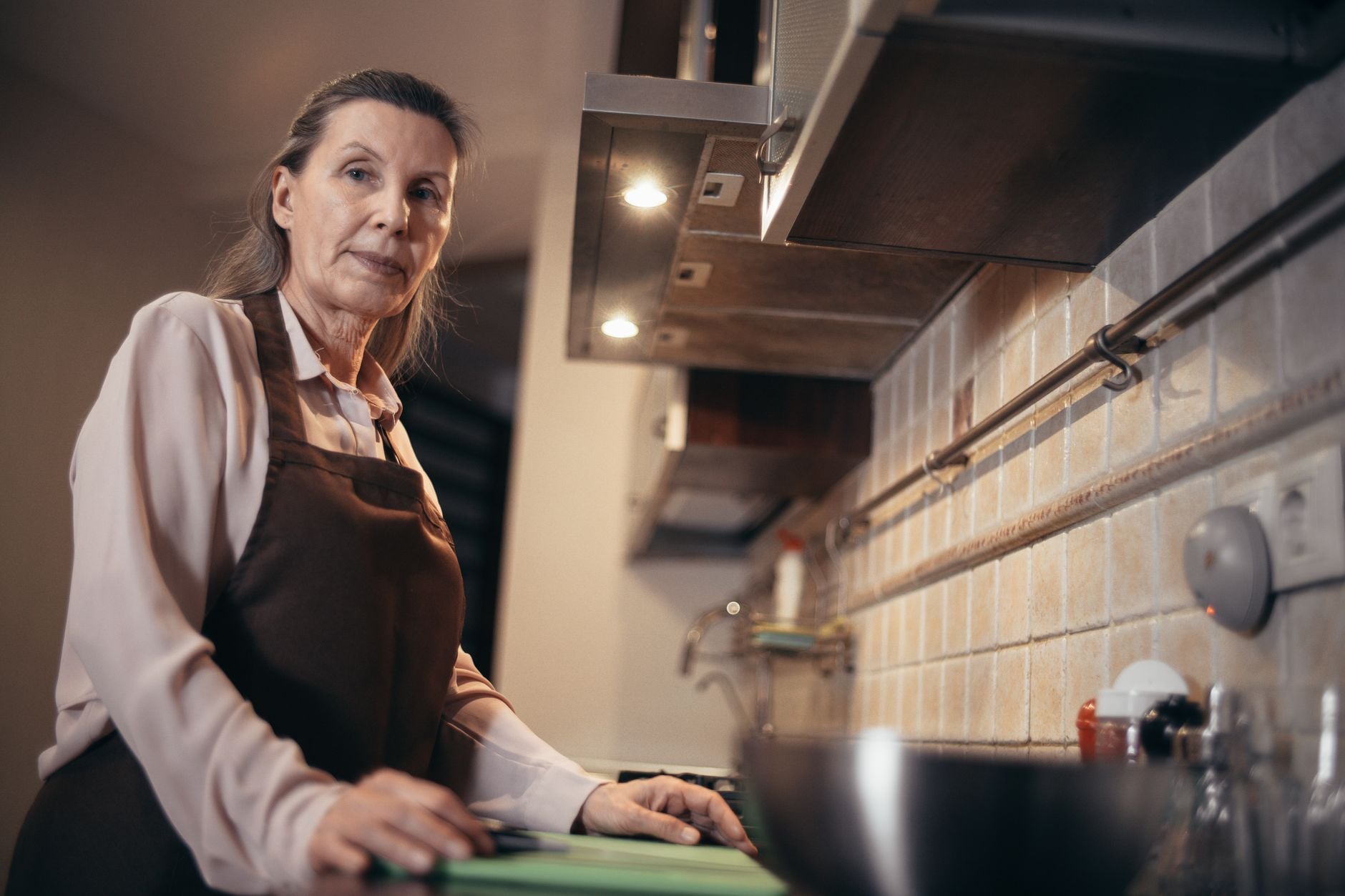
The Kitchen The Church Took Back
Tamra was quiet a minute. Then she said the thing I think she had needed to say since nine forty that morning when the catering van slid into a ditch forty miles away. “I didn’t understand what this room was. I thought it was a chore somebody ought to be relieved of. I thought a sign up sheet and a caterer were the modern, kind way to do it, and I never once asked any of you what this basement actually was before I decided to fix it.” She looked at the funeral shelf, at the taped list still hanging inside the pantry door of who in the congregation could not have onions or dairy, thirty years of quiet care for people’s bodies that nobody outside that kitchen had ever noticed. “It was never about the food, was it.”
“No,” I said. “It was never about the food.”
We did not take the kitchen back that day in the way you might hope a story like this ends, with the sign torn down and an apology demanded and everybody restored exactly to how it was. Tamra asked, the following Tuesday, if she could come learn the funeral shelf, learn the dietary list, learn what Eunice took in her coffee, not to run it, she said, but to help carry it, if we would still have her. Louise was the one who answered for all of us, because Louise is the one who started this thing thirty one years ago with two casserole dishes and a cold morning, and Louise said, “There’s always room at this table for one more set of hands, Tamra, so long as you remember whose table it is you’re setting.” The sign-up sheet still hangs on the pantry door, but it says something different now, in Marge’s handwriting instead of a computer font: a list of names willing to carry tables, haul coffee urns, drive an old woman home after a long morning on her feet, because even five women who have done this thirty years are allowed, now and then, to let somebody else carry the heavy end.
Cole Haney still comes to church most Sundays, sits near the back, and twice now he has come down to the basement on a Tuesday to help Eunice stir a pot she can no longer quite see clearly enough to stir alone, because, he told me once, it is the only place in this town that still smells like somebody caring whether he eats. I do not know if he will stay in this county forever. I know that for one Saturday morning, when he had nothing and no one, five old women who had just had the thing they loved most taken from them chose to give it away again anyway, to a stranger, because that is what thirty years in a church basement kitchen had actually taught us, underneath all the roasting pans and coffee urns and canned green beans. It had taught us that love, the real kind, the kind that gets up at six in the morning for people who will never know your name, does not keep count of what it is owed. It only keeps asking who is hungry, and goes to find out.