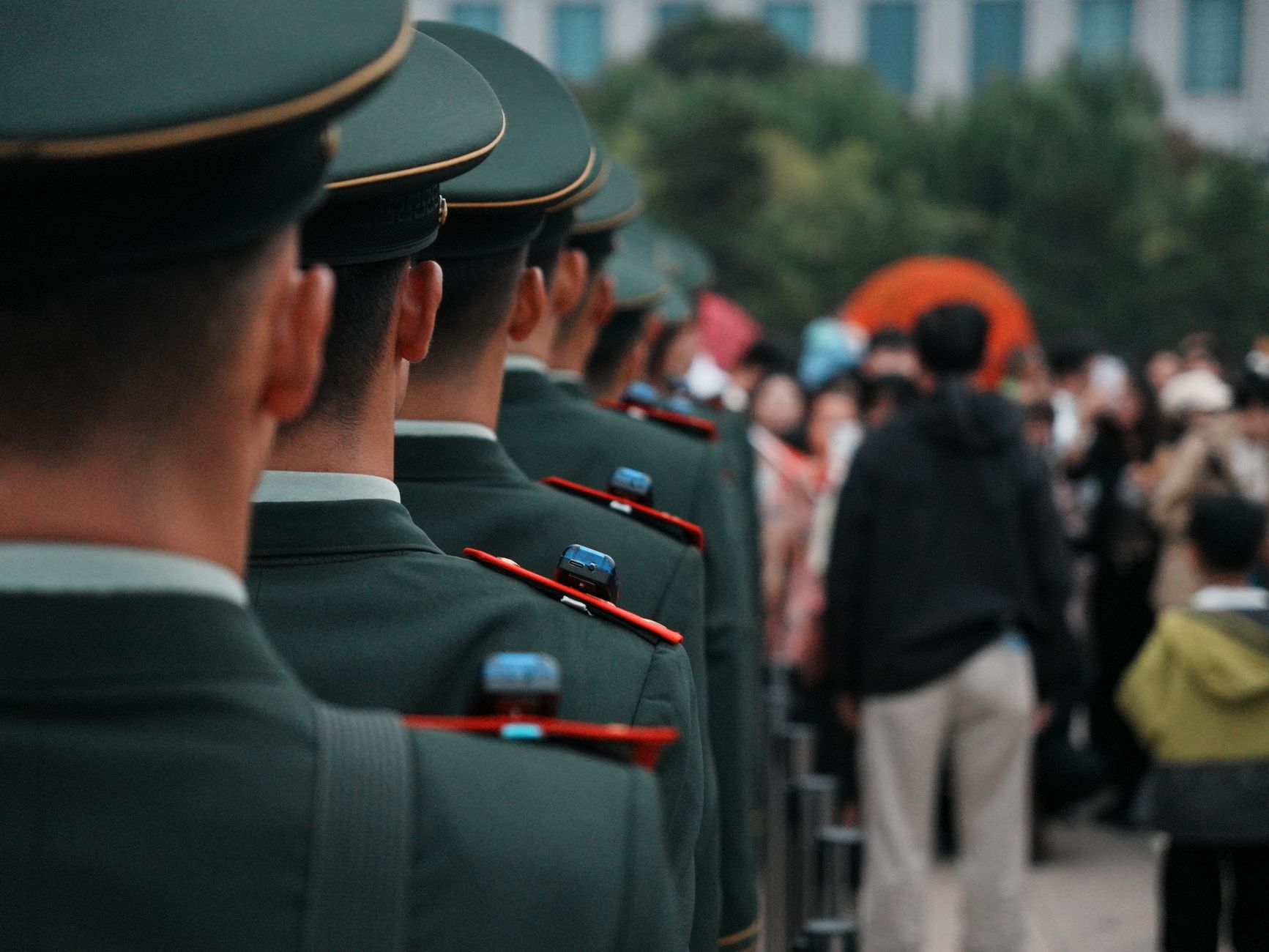
The Soldier They Seated By The Kitchen
The woman running the banquet looked at my son in his Army service uniform, checked her clipboard twice, and moved us to the little table pushed up against the kitchen doors, the one where the busboys stacked the dirty dishes, because our name was not on the list of people she had decided mattered that night.
Her name was Priscilla. I will use it, because she used my son the way people like her use a room, as a thing to be arranged, and I have decided I am done protecting the comfortable.
I am going to tell you the whole night, start to finish, because the ending is the kind of thing you will not believe unless you have walked through the beginning with me. And I need you to feel the beginning the way I felt it, sitting next to my boy by the swinging doors while a woman in pearls decided he was nobody.
My name is Donna. I am fifty-one years old. I have lived my whole life in the same county, a flat, green, church-and-grain-elevator kind of place where everybody knows whose truck that is before they can see the driver. My husband, Cal, worked twenty-six years at the parts plant out on the county line and died four years ago of the kind of cancer men his age get and do not talk about until it is too late to talk about anything. Cal was Army too, a long time ago, before I knew him, and he did not talk about that either. I come from quiet men. I married one and I raised one.
My son is Sergeant Aaron Vale, United States Army. He came home from his last deployment eleven weeks before the night I am telling you about, and he came home the way Cal must have come home once, thinner, quieter, sleeping light, going still sometimes in the middle of a sentence like part of him had stepped out of the room and would be back shortly. I did not push him. You do not push the quiet ones. You just keep the porch light on and the coffee hot and you wait.
I knew there had been a bad day over there. I knew that much. Aaron had said it once, early on, half asleep on my couch the first week home, he said “we had a real bad day, Mom, in the spring,” and then he did not say any more and I did not ask, because his face closed like a door and I have learned to respect a closed door. I knew a man in his unit had been hurt. I knew Aaron had done something, because a letter had come, an official one, and there had been talk of a ceremony he did not want and a medal he would not discuss. He told me the medal did not matter. He said, “The guys who don’t come home, that’s who it should be for.” And he put the letter in a drawer and that was the end of it as far as he was concerned.