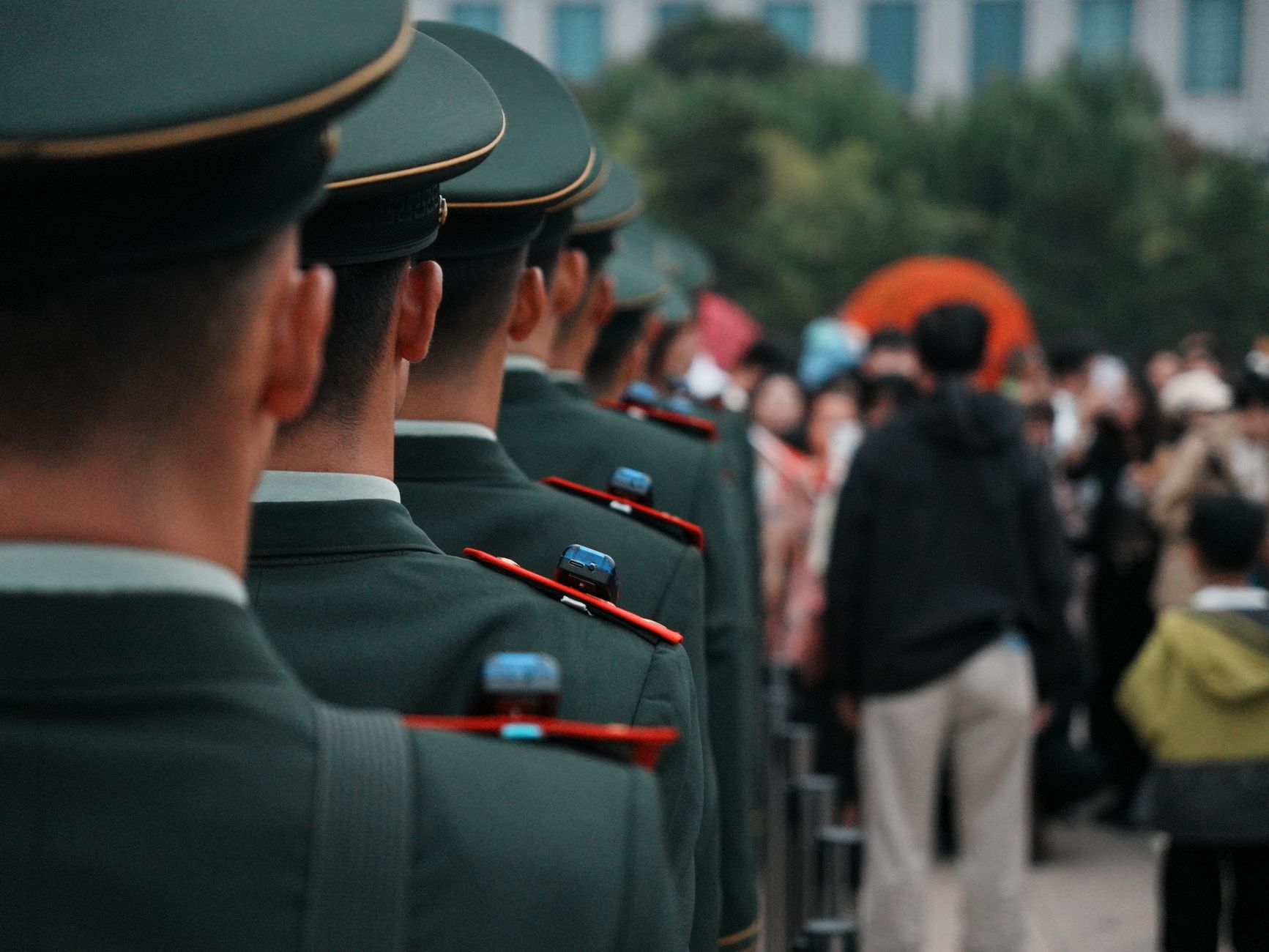
The Soldier They Seated By The Kitchen
She walked us the length of that beautiful ballroom, past the tables near the stage where men in tuxedos laughed with women in long dresses, past the tables in the middle, all the way to the back, to a small round two-top wedged against the wall right beside the swinging doors to the kitchen. There was a service station beside it, a rolling cart where the waiters dropped the dirty plates, and every thirty seconds those doors banged open and a blast of kitchen heat and clatter came out, and banged shut.
“Here we are,” Priscilla said, pleased with herself, setting two paper place cards down. “You’ll be comfortable back here. It’s a little out of the way, but honestly the front tables are reserved for the people who actually make a difference for these families. Our real supporters.” She patted my son on the shoulder, on his uniform, like he was a nice old dog. “Thank you for your service.”
Then she was gone, back to her clipboard and her important people, and my son and I sat down at the busboys’ table by the kitchen doors.
I want to tell you I said something. I want to tell you I stood up and made a scene and told that woman what I thought of her. But I did not, because my son put his hand over mine on that little table and said, quiet, “Leave it, Mom. It’s fine. I’ve eaten in a lot worse places than this.”
And that broke my heart worse than Priscilla ever could have, because I knew it was true. My son had eaten in the dirt. My son had eaten crouched behind a wall with the radio going. And here was his own country, in its good clothes, seating him by the garbage cart, and he was telling me it was fine because he did not want his mother upset.
So we sat. The doors banged. The kitchen heat rolled over us. Waiters set plates in front of the important people first and got to us last, and by the time our food came it was not warm. I watched the backs of three hundred people’s heads face a stage my son could barely see over the service cart, and I dug my nails into my own palm under that white tablecloth and I thought about every night I lay awake for a year, and I thought, this is what it is worth to them.
Aaron ate his cold dinner and did not complain. He asked me about my garden. He asked about the neighbors. He was trying to make it a nice night for me even from the worst table in the room, and every question he asked made the knot in my chest pull tighter.