The Window Seat Ray Saved for Me
“Mom,” she said, “is it a big thing?”
“It’s my anniversary,” I said. “Fifty years. I thought I ought to be present.”
She did not ask me another question. She is not a foolish girl.
I wore the green coat to the depot, and I will admit that on the walk in from the car it was far too warm. It was seventy-six degrees. But I had not worn that coat yet, and I was determined that it would be worn at least once on the day it was meant for.
Woody was at the door in his best suit and his railroad cap. He took my arm without saying anything.
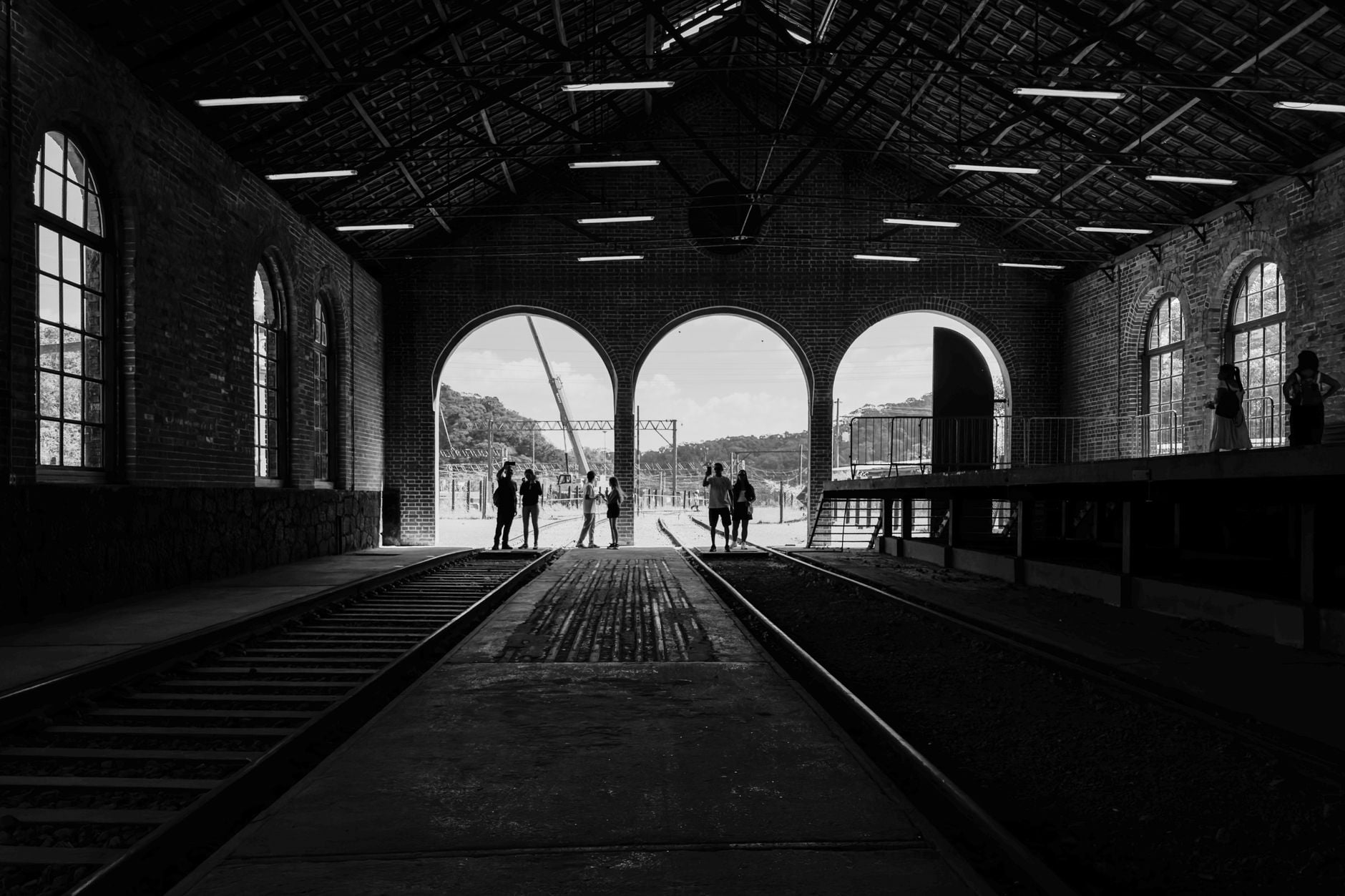
The waiting room had been transformed. There were six long tables dressed in white paper and church linens, and white candles in jelly jars, and in the bay window at the front, apart from the others, a small table for two with Ray’s mother’s tablecloth and the good china. On the glass of the window, Bud had propped his painted cardboard mountain, snow on top, so that the afternoon light came through blue.
At the table for two, there were two chairs. In front of one chair was a place card in Rhoda’s hand. It said Glenys, window. In front of the other was a railroad cap, laid on the plate, crown down.
And on the table between them, wrapped in a napkin, sat a single dinner roll.
I stopped. I had to.
One hundred and forty people were standing. I had not noticed them stand. They were not clapping. They were just standing, in their good shirts and church dresses, the way people stand for a hymn.
The farmers. The mower customers. The Thursday Liars. Judy and her kitchen girls in white aprons. The man in the seed cap. Peg Oakes, who put both arms around me and said nothing. And near the back, Tim, who looked at me and nodded once.
I walked to the window table in Ray’s mother’s good silver light and sat down on the window side, and Woody pulled out the other chair, looked at the cap on the plate, and let it be.
Supper began.
It took two hours and nobody hurried. Ardith’s circle brought out the first page of the menu, a cup of soup and a small salad. The second page was the pot roast, and it was a better pot roast than any thirty-four dollar plate in Montana. The rolls came in baskets, warm, Judy’s mother’s recipe.
At about a quarter after five, the main door opened.
Kevin and Dana stood in it.
They had dressed well. Kevin was in a sport coat, and Dana had her hair done. They had walked in expecting, I think, a folding table and a sheet cake. They took in the room at one look: the long tables full of faces they knew, the painted mountain in the bay window, and their mother in a wool coat in June, sitting across from an empty chair with a cap on the plate.
I watched Dana put her hand to her mouth.
I watched Kevin’s face. It did what a face does when a sum he has been avoiding finally comes due.
Nobody said a word to them. That is the part I wish I could make you feel. Nobody scolded. Nobody turned a shoulder. Ardith Hanley crossed the floor with her clipboard and said, in the sweetest voice, “Kevin. Dana. I saved you the two seats by the kitchen door. They’re closest to the dessert.”