The Window Seat Ray Saved for Me
Then I said something I had not expected to say. I said, “Rhoda, is the file in your hands right now?”
“Yes.”
“Keep it there. Don’t give it to anybody. Not to Kevin. Not to the lawyer. I think I’ll want it Saturday.”
“What’s Saturday?” she asked.
“My anniversary,” I said. “I’m told there’s a depot.”
The green coat is a part of this, and I should tell you about it.
In March, a week after the funeral, I had gone out to Ray’s shop to start the dreadful business of sorting his tools. On the top shelf behind the carburetor kits was a flat white box from Dillon’s Dry Goods, tied with string.
Inside was a green wool coat. Long. Lined. A good one. The tag was still hanging from the sleeve, and there was a receipt folded under it for $212.
Beside the box sat a Florsheim shoebox, and in the shoebox were thirty-six of Rhoda’s receipts with pencil writing on the back of every one. I read the first line of the first one. Then I put the lid back on, because a person can only do so much in a day.
Montana in June is cold, and my husband, a man who hated to spend a dollar on himself, had gone to Dillon’s alone and bought me a coat to wear on a mountain.
I put it back in the box. I never told the children. I could not have stood to hear them say anything about it.
I did not take the coat out again until Saturday.
If you have never been in a small Illinois town when it decides to do something, I cannot make you believe how fast it moves.
By Friday morning, I did not have a party. I had a committee, and I had nothing to do with its meetings.
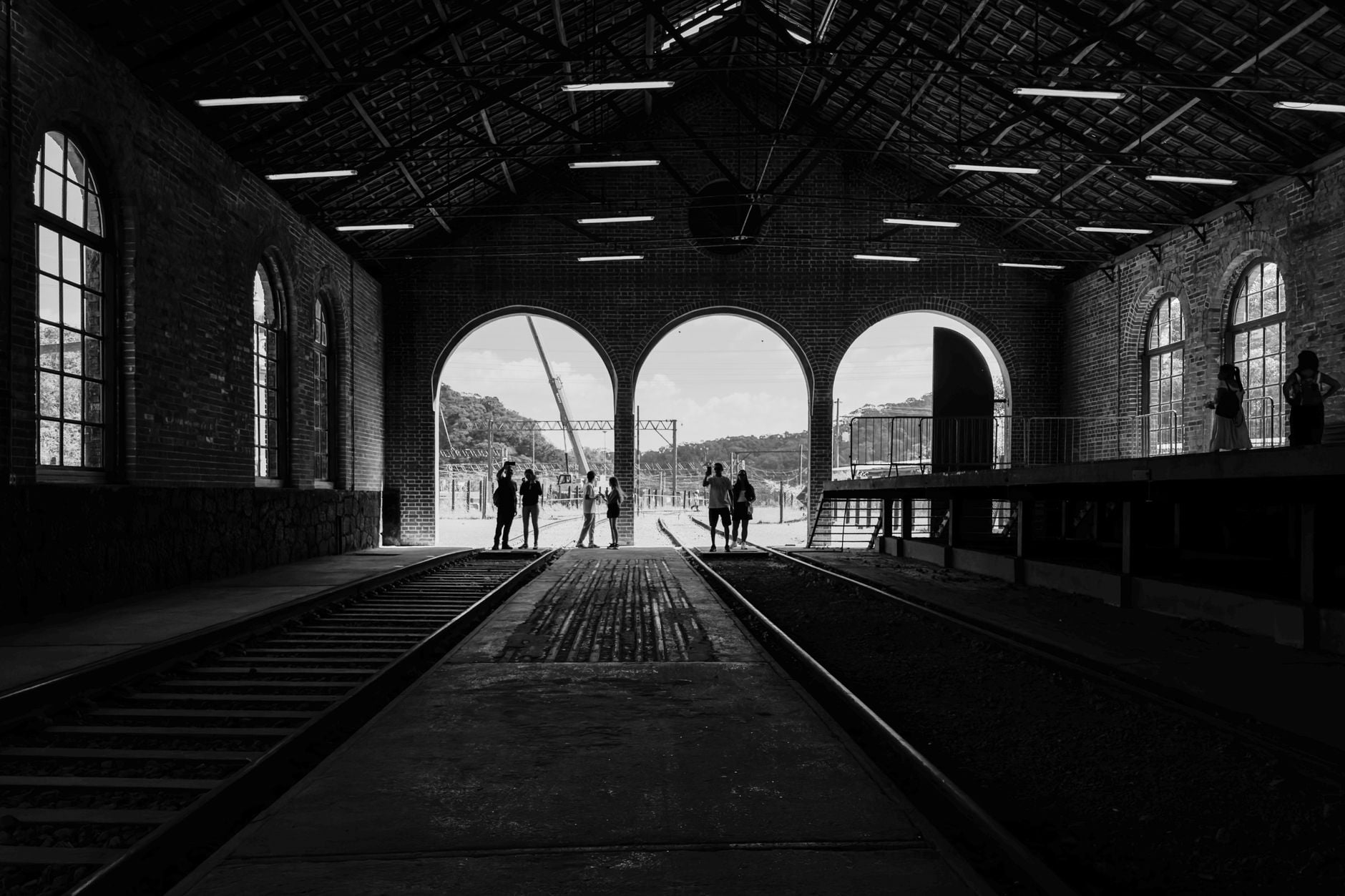
The depot at Marlin Prairie hasn’t seen a passenger train since 1971. The Historical Society saved it from the wrecking ball and restored the waiting room with the original oak benches and the ticket window, and they hold the farmers market on the platform and the Christmas open house inside. It has a bay window facing the tracks. Beside the tracks, on a spur, sits a bright red caboose that the school children climb on in October.
Woody had keys. Of course he did.
Ardith Hanley, who has run the Methodist women’s circle since before I joined it, appeared at my door at seven on Friday with a clipboard.
“Glenys, what’s the menu?”
“I don’t have a menu. I haven’t decided to have one.”
“Then I’ll tell you what it is,” Ardith said. “Rhoda called the lodge in Montana. She talked to a woman in the dining room, and the woman e-mailed us their dinner menu. The whole menu, every page. We’re going to serve you the first page of it, a little at a time, and on the second page there’s a pot roast that I am told is thirty-four dollars, and we are making it by the roaster. Do you have a good tablecloth?”
“I have Ray’s mother’s linen.”
“That will do.”
The plan was not up for a vote. It was simply being announced to me.
The retired railroad men did the rest. Woody and the Liars hauled in the long church tables. Bud Ferris painted a mountain on a tall sheet of cardboard and held it up to the bay window to check how it hung. Judy at the diner closed Saturday afternoon and sent her whole kitchen. Rhoda made a hundred and forty place cards by hand and would not let anyone help her.