The Ramp Where the Boat Used to Sit
We framed the ramp by nine. Two-by-eight stringers, two-by-six decking, screwed down with a gap between each board so the rain would run off.
Mike cut and Travis screwed and I carried, and Dale walked up and down checking everything.
Hank got out of his lawn chair at ten to help with the handrails. He said his knees felt better in the morning.
He held boards while Travis screwed them, and he told a story about a bull he’d sold in 1987 that took most of an hour and had no point that any of us could find.
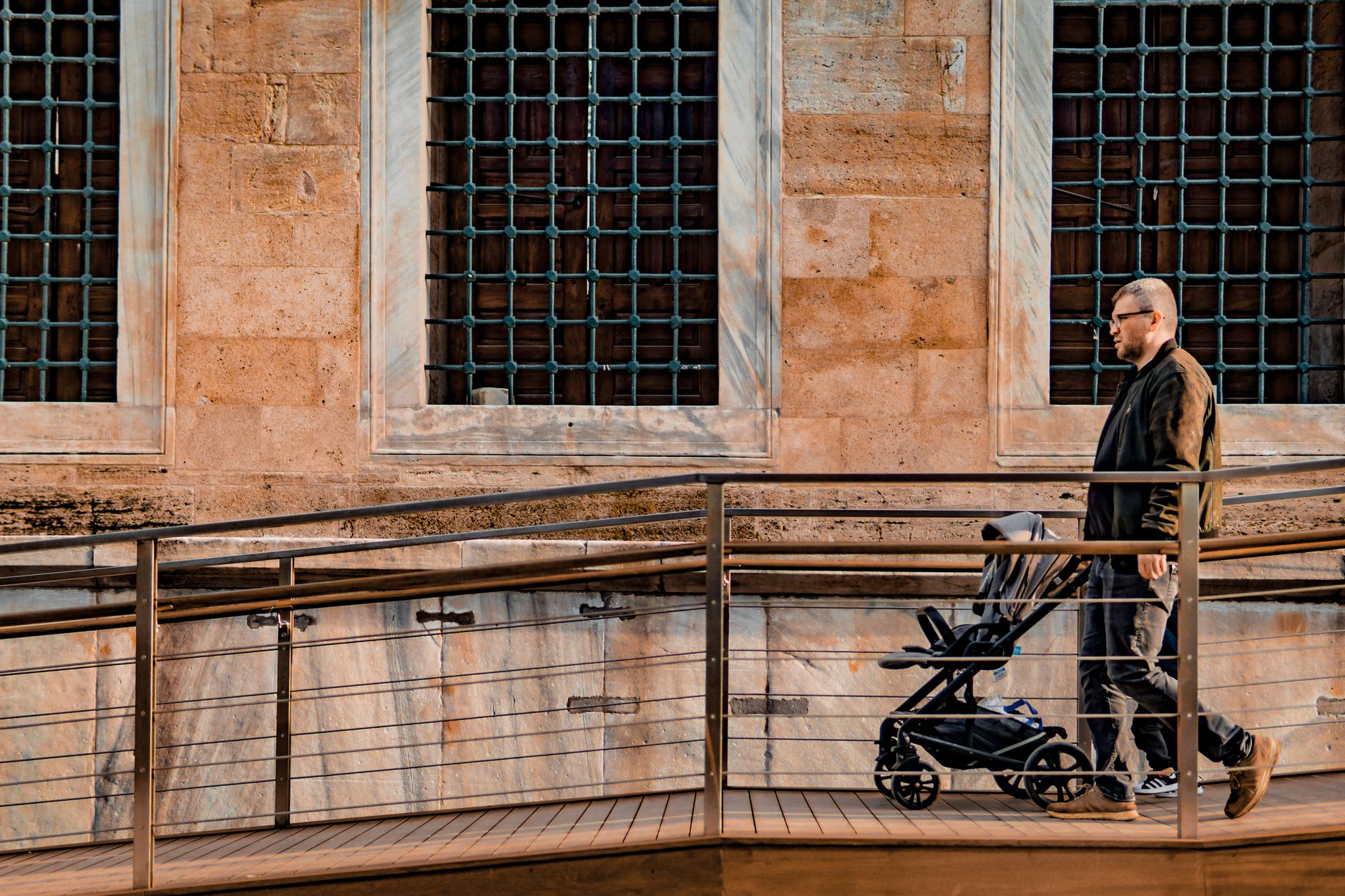
By a quarter to twelve it was done. Twenty-one feet of ramp running along the side of the drive, a landing at the top big enough to turn a wheelchair around, and handrails on both sides at the height Kim had written down for me on a hospital notepad.
Dale walked the whole length of it one more time and jumped up and down on the landing with all two hundred and thirty pounds of himself. Nothing moved. He nodded once, like a man signing his name.
“That’ll do,” he said.
Mom came out the front door in her wheelchair at noon. Joan held the door.
I stood at the top of the ramp, and I asked Mom if she wanted me to take her down.
“No,” she said. “Just stand in front of me. Walk backwards. I want to do the first one myself.”
So I walked backwards down that ramp in front of my mother, one slow step at a time, with my hands out in case.
She held the right wheel with her good hand and let gravity do most of it, braking a little at a time while I kept my hands out beside the chair.
She rolled all the way to the bottom by herself. Twenty-one feet.
When she got there, she stopped, and looked up at the porch, and then across at Hank in his lawn chair.
“Hank Wiebe,” she said. “You old fool. You didn’t have to do this.”
“Wasn’t me,” Hank said. “I just sat here and complained. These boys did it.”
He pointed at Dale and Mike and Travis, who were all suddenly very interested in putting tools away.
Mom thanked every one of them by name. She made Travis bend down so she could hug him with her one good arm, and he turned redder than a stop sign and said “Yes, ma’am” about nine times.
Rick pulled up a little after one. There was no boat behind his pickup. The empty spot behind his tailgate looked strange after all that shine.
He got out and stood at the end of the drive and looked at the ramp. He looked at it for a long time.
Then he walked up it, slowly, to where Mom was sitting on the landing in the sun.
“They took it back,” he said. “Gave me twenty-five thousand. I’d paid thirty-one.”
“That’s six thousand dollars, Rick,” Mom said.
“I know it.” He stood there with his cap in his hands again.
“Paid off what I’d financed. Leaves me ninety-five hundred. It’s not enough for a van. Not a good one.”
“So what are you going to do?” I asked. I was standing at the bottom of the ramp.
I hadn’t decided yet whether I was going to forgive him, and I think he could tell.